
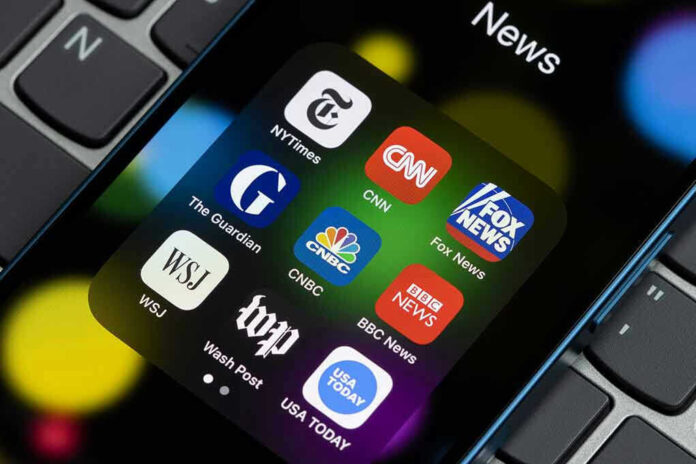
A mainstream media analyst’s reckless speculation about the motive behind Charlie Kirk’s fatal shooting exposes the persistent threat of media bias and the dangers of politicizing tragedy—at a time when conservative voices are under increasing attack.
Story Snapshot
- Charlie Kirk, a leading conservative activist, was shot and killed during a Utah Valley University event.
- MSNBC analyst Matthew Dowd speculated on-air that a supporter may have fired the gun in “celebration,” sparking widespread outrage.
- Kirk’s death has intensified debates over media responsibility, campus safety, and political violence in America.
- MSNBC issued a rare public apology, but questions remain about accountability and bias in media coverage.
Prominent Conservative Targeted in Shocking On-Campus Shooting
Charlie Kirk, founder of Turning Point USA and a prominent advocate for conservative values, was shot and killed during a public speaking event at Utah Valley University. The incident occurred as Kirk addressed a question reportedly about transgender shooters, a topic often at the center of heated campus debates. The sudden violence sent shockwaves through conservative circles nationwide, highlighting ongoing concerns about hostility toward right-leaning voices in academic settings and the elevated risks faced by outspoken advocates for traditional American values.
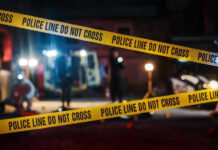
Witnesses report that chaos erupted during the event’s Q&A session, resulting in Kirk’s fatal injuries. Law enforcement responded quickly, and the suspect was taken into custody, but the shooter’s motive remains under investigation. In the immediate aftermath, media coverage seized on the incident, with some outlets speculating about potential motives even before basic facts were confirmed. This rush to judgment has further fueled frustration among conservatives, who see such speculation as emblematic of a broader pattern of bias and disregard for due process when tragedies strike their community.
Media Speculation Ignites Outrage and Undermines Trust
During breaking news coverage, MSNBC analyst Matthew Dowd stated on air, “We don’t know if this was a supporter shooting their gun off in celebration”—a comment that sparked immediate backlash. Many conservatives and free speech advocates condemned the statement as not only baseless but dangerously inflammatory, suggesting an absurd scenario without evidence and deflecting focus from real threats facing conservative leaders. This type of speculative commentary, critics argue, erodes trust in journalism and reflects a disturbing double standard in mainstream media’s treatment of right-of-center figures.
MSNBC responded to the controversy with a public apology, with network president Rebecca Kutler stating, “We apologize for his statements, as has he. There is no place for violence in America, political or otherwise.” The apology, while welcome, has done little to calm widespread anger among the conservative base, who remain concerned about the long-term impact of biased reporting and the normalization of unfounded insinuations against their movement.
Campus Security, Free Speech, and Political Hostility
Kirk’s murder comes amid escalating tensions on college campuses, where conservative speakers and student groups have increasingly faced protests, threats, and occasional violence for challenging progressive orthodoxy. The tragedy is already prompting calls for enhanced security at campus events, as well as renewed scrutiny of how universities and local authorities can better protect free speech and civil discourse. For many, the attack underscores a chilling effect on open dialogue and the willingness of conservative leaders to engage with the next generation in hostile environments.
Beyond the immediate loss and shock, the shooting has broader implications for political activism, campus policy, and the safety of public discourse. Conservative organizations like Turning Point USA are mourning a key leader and reassessing event protocols, while higher education institutions nationwide may face increased pressure to reevaluate procedures for vetting, securing, and managing controversial speakers. The incident also raises concerns about whether political violence will further deter engagement and deepen polarization across the country.
Media Accountability and the Future of Civil Debate
Media analysts and political experts have widely criticized MSNBC’s speculative reporting, warning that such commentary in the absence of facts can incite division and undermine public confidence in both journalism and the broader democratic process. While the network’s apology is a rare acknowledgment of error, questions remain about whether lasting changes will be made to prevent similar missteps. The incident has become a rallying point for conservatives demanding higher standards of accuracy and accountability from media institutions that shape national narratives and public opinion.
"MSNBC guest sickly speculates Charlie Kirk was shot by ‘supporter’ firing gun ‘in celebration’"
For some reason the NY Post flinches from saying that this was MSNBC contributor Matthew Dowdhttps://t.co/wRKyO6uv6K https://t.co/GUKex9kPcV— Patrick Cleburne (@PCleburneVdare) September 11, 2025
As the investigation continues and the conservative movement mourns, one thing is clear: the safety of constitutional rights, including free speech and the right to assemble, must be protected from both physical violence and the corrosive effects of irresponsible reporting. The events at Utah Valley University serve as a sobering reminder of the real dangers faced by those who stand up for traditional American values and the urgent need for principled, fact-driven journalism in times of crisis.