A new policy threatens American job security, sparking outrage among U.S. college graduates and their families.
Story Highlights
- Trump administration imposes a $100,000 fee on new H-1B visas.
- Critics argue the H-1B program undermines domestic job opportunities.
- Supporters of the program highlight its role in U.S. innovation.
- Experts debate the impact on American graduates and the economy.
Trump Administration’s H-1B Visa Fee Hike
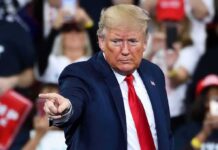
In a significant policy shift, the Trump administration has imposed a $100,000 fee on most new H-1B visas, effective September 21, 2025. This move aims to protect U.S. workers by creating a financial barrier for employers hiring foreign workers. The fee has led to confusion among visa holders and employers, causing immediate changes in hiring practices and travel plans for many affected individuals.
The H-1B visa program, originally designed to allow U.S. companies to hire skilled foreign workers in fields like IT and computer science, has been a point of contention. Critics like Skillstorm CEO Justin Vianello describe it as a “three-headed monster” that exacerbates wage suppression and underemployment among American graduates. The program, they argue, allows employers to hire foreign talent at lower wages, making it financially advantageous to bypass domestic workers.
Economic and Social Implications
The new fee has sparked a debate over its potential economic and social impacts. Industry experts warn that the increased cost could discourage hiring skilled immigrants, potentially harming U.S. innovation and pushing jobs overseas. However, some American graduates may benefit from reduced competition in the job market. The long-term effects on U.S. competitiveness and labor markets remain uncertain and highly debated among policymakers and economists.
Many universities express concern over the impact on international student recruitment, as these students often rely on the H-1B program for post-graduation employment. The fee could diminish the U.S.’s reputation as a destination for higher education and skilled employment, affecting enrollment numbers and university revenues.
Expert Opinions on H-1B Visa Impact
Opinions on the H-1B program’s impact vary. While critics highlight wage suppression and job displacement, supporters argue that skilled immigrants complement native workers and drive firm growth. Research from the Federal Reserve suggests that firms hiring H-1B workers tend to expand and hire more native workers, with limited evidence of significant displacement. The ongoing debate underscores the complexity of balancing immigration policies with domestic economic needs.
As the Trump administration continues to refine immigration policies, the H-1B visa program remains a focal point of contention. The true impact of the new fee will depend on how employers, workers, and policymakers adapt to these constraints, and whether the U.S. can maintain its competitive edge in a global talent market.
Sources:
Fox News: Expert reveals how H1B visa program is crushing American college graduates
Carnegie Endowment: Trump Impact on U.S. Universities
Understanding the New $100,000 H-1B Fee