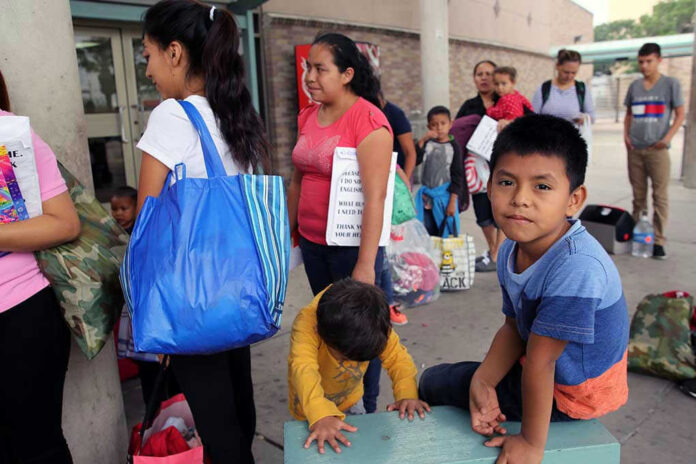
A covert operation to deport Guatemalan children was halted, revealing deep divides in immigration policy.
Story Highlights
- A late-night operation to deport 75–76 Guatemalan children was stopped by a federal judge.
- The operation was conducted secretly over Labor Day weekend.
- Legal intervention underscored the ongoing tension over immigration enforcement and child protection laws.
- The judiciary’s intervention highlights the checks on executive immigration actions.
Federal Intervention Halts Late-night Deportation
On Labor Day weekend in 2025, plans to deport 75–76 unaccompanied Guatemalan children were halted by an emergency court order. The U.S. Department of Homeland Security had orchestrated the late-night operation, gathering the children in South Texas. However, an emergency legal intervention by the National Immigration Law Center led to U.S. District Judge Sparkle Sooknanan issuing an order to stop the deportations, allowing the children to remain in the U.S. temporarily.
Impact of Judicial Intervention
The abrupt halt of the deportation operation highlights the legal and ethical responsibilities to protect vulnerable migrant children. The case draws attention to the balance of power between the executive branch’s enforcement policies and the judiciary’s role in safeguarding due process. Legal experts emphasize the importance of adhering to protections for unaccompanied minors, pointing out the dangers of expedited deportations without proper hearings.
The operation’s secrecy and timing—overnight and on a holiday—raised concerns about transparency and due process. Advocacy groups like Children’s HealthWatch have condemned the attempt, stressing the potential psychological harm to the children involved.
Broader Implications for Immigration Policy
This incident has intensified the ongoing debate over U.S. immigration policy, particularly concerning the treatment of unaccompanied minors. The judiciary’s intervention serves as a reminder of the legal frameworks established to protect migrant children, such as the Flores Settlement Agreement. The case may set significant legal precedents regarding the limits of executive power in the realm of immigration enforcement.
The halted deportation has prompted increased advocacy for the rights of migrant children and scrutiny over the administration’s enforcement tactics. It underscores the vital role of the judiciary in maintaining checks on executive actions, especially regarding vulnerable populations.
Chaotic showdown over Guatemalan children exposes fault lines in Trump’s deportation pushhttps://t.co/rCtuFYKpbq pic.twitter.com/03VXuKGzZ1
— The Washington Times (@WashTimes) September 5, 2025
Sources:
Democracy Now! – Reconstruction of the aborted deportation of Guatemalan children
Children’s HealthWatch – Statement on U.S. government plan to deport Guatemalan children
ABC News – Unaccompanied minors from Guatemala describe attempted deportation