

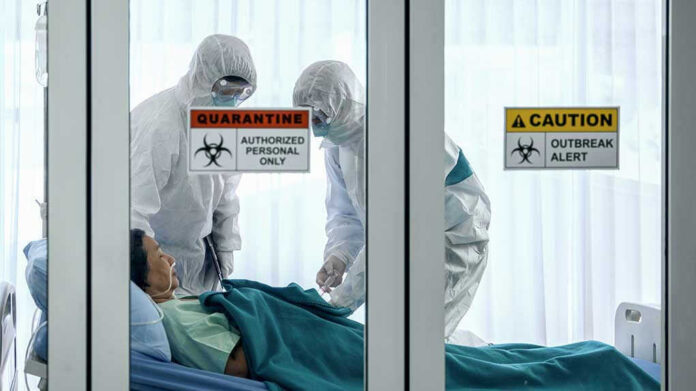
A deadly drug-resistant superbug has now spread to 27 states, infecting over 7,000 Americans while government health agencies struggle to contain what critics call a preventable crisis born from inadequate border controls and hospital oversight failures.
Story Snapshot
- Drug-resistant fungus has infected at least 7,000 people across 27 states in 2025
- Hospitals and nursing homes are failing to control the spread of this deadly pathogen
- CDC tracking reveals widespread outbreak across multiple healthcare facilities
- Medical facilities lack adequate protocols to combat this emerging superbug threat
Nationwide Healthcare Crisis Emerges
The Centers for Disease Control and Prevention reports that a drug-resistant fungus has infected at least 7,000 Americans across 27 states in 2025. This alarming spread represents a significant public health emergency that threatens vulnerable populations in healthcare settings. The pathogen’s resistance to standard antifungal treatments makes it particularly dangerous for immunocompromised patients, elderly individuals, and those with underlying health conditions who depend on these medical facilities for care.
Medical Facilities Struggle With Containment
Hospitals, nursing homes, and other medical facilities are reportedly struggling to gain control over this deadly outbreak. The CDC’s tracking data reveals systematic failures in infection control protocols that have allowed this superbug to spread unchecked through America’s healthcare system. These institutions, which should serve as bastions of healing and safety, have become breeding grounds for a pathogen that could have been contained with proper oversight and stringent health measures from the beginning.
Government Oversight Failures Exposed
This crisis highlights serious gaps in government health agency preparedness and response capabilities. The widespread nature of the outbreak across 27 states suggests that early warning systems and containment protocols failed catastrophically. American families trust these institutions to protect their loved ones, yet the current situation demonstrates how bureaucratic incompetence and lax enforcement of health standards have put countless lives at risk in facilities where people are most vulnerable.
Public Safety Concerns Mount
The drug-resistant nature of this fungus represents a clear and present danger to American families seeking medical care. With over 7,000 confirmed infections and the pathogen’s presence in more than half of U.S. states, this outbreak threatens to overwhelm healthcare resources and endanger patients who require hospitalization or long-term care. The inability of medical facilities to effectively combat this superbug raises serious questions about the preparedness of America’s healthcare infrastructure to protect citizens from emerging biological threats.
Sources:
Drug-resistant fungus has infected at least 7,000 people across 27 states in 2025