A major fentanyl kingpin wanted by the United States fell during a Mexican military operation, marking a rare victory in the grinding war against drug trafficking that threatens millions of American lives.
Quick Take
- Pedro Inzunza Coronel, alias “Pichon,” killed by Mexican Navy on November 30, 2025, during anti-drug operation in Sinaloa
- Coronel and his father trafficked tens of thousands of kilograms of fentanyl into the U.S. as leaders of a Beltran Leyva Organization faction
- Mexican authorities seized 1.65 tons of fentanyl from Coronel’s holdings, the largest fentanyl seizure in world history
- Operation demonstrates U.S.-Mexico cooperation under Trump administration pressure on drug enforcement
The Trafficker Who Flooded America With Fentanyl
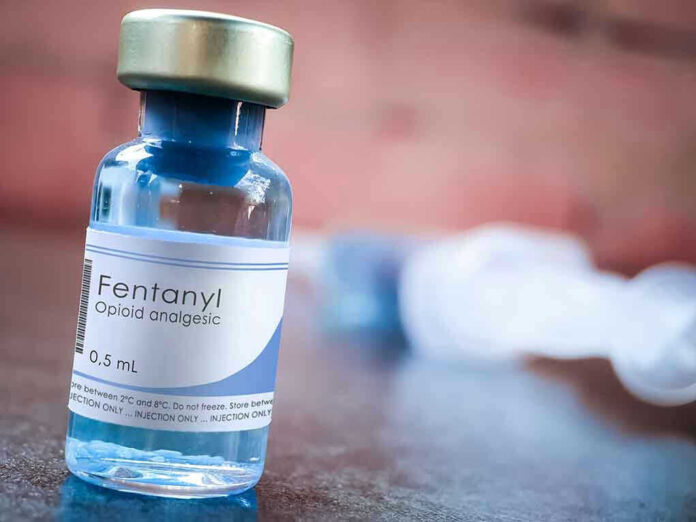
Pedro Inzunza Coronel operated as a major fentanyl and cocaine trafficker within a faction of the Beltran Leyva Organization, one of Mexico’s most violent drug syndicates. The U.S. Department of Justice charged Coronel and his father, Pedro Inzunza Noriega, with narco-terrorism, drug trafficking, and money laundering in May 2025. Their criminal enterprise moved tens of thousands of kilograms of fentanyl across the border, fueling the overdose epidemic devastating American communities. The scale of their operation became apparent when Mexican authorities seized 1.65 tons of fentanyl from their holdings—equivalent to 33 million lethal doses.
How The Operation Unfolded
Mexico’s Secretariat of the Navy conducted the anti-drug operation on Sunday, November 30, 2025, in Sinaloa state, the heart of Mexico’s drug trafficking empire. Coronel died after attacking naval personnel during the raid, according to Mexico’s Security Secretary Omar Garcia Harfuch. Two additional operators from Coronel’s criminal cell were detained during the operation. The swift elimination of a major trafficking figure represents the kind of decisive action the Trump administration has demanded from Mexican leadership, backed by explicit threats of tariffs on Mexican exports if drug enforcement efforts prove insufficient.
The Beltran Leyva Organization’s Violent Legacy
The Beltran Leyva Organization emerged as one of Mexico’s deadliest criminal enterprises, engaging in shootouts, murders, kidnappings, torture, and violent debt collection. Founded by Arturo Beltran Leyva, the organization persisted even after his death in a 2009 military raid—gunmen retaliated by killing the family of a Mexican marine. The organization’s current leader, Fausto Isidro Meza Flores, known as “Chapo Isidro,” maintains operational control despite sustained enforcement pressure. Jesus Alfredo Beltran Guzman, another key BLO leader, was sanctioned by the U.S. Treasury Department in April 2025 for his role in trafficking deadly drugs and targeting Mexican officials.
Massive Seizures Signal Enforcement Momentum
The fentanyl seizure from Coronel’s holdings represents only part of recent enforcement success. On December 3, 2024, Mexican authorities conducted major operations in Sinaloa that resulted in the largest fentanyl seizure in Mexican history—over 1,000 kilograms, equivalent to 20 million doses. These massive busts demonstrate that enforcement agencies are disrupting trafficking pipelines, though the BLO’s continued operation under new leadership suggests the organization maintains resilience and capacity to reorganize after leadership losses.
U.S.-Mexico Cooperation Under Political Pressure
U.S. Ambassador to Mexico Ronald Johnson emphasized the bilateral dimension of the operation, stating that “these results reflect what our nations can achieve when they work together against those who pose a threat to our citizens.” The Trump administration’s return to power in January 2025 brought explicit demands for increased Mexican drug enforcement, backed by tariff threats. Mexico’s response—including the extradition of 26 high-ranking cartel figures in August 2025 and the continued military operations against major traffickers—demonstrates Mexico’s willingness to prioritize enforcement cooperation despite sovereignty concerns.
The Broader War Continues
Coronel’s death represents a significant tactical victory but highlights the structural challenge facing enforcement agencies. The elimination of major traffickers has not disrupted the fundamental organization of drug trafficking enterprises. The Beltran Leyva Organization continues operating under new leadership. The Sinaloa Cartel, Mexico’s largest trafficking organization, persists despite the August 2025 guilty plea of co-founder Ismael “El Mayo” Zambada Garcia. The fentanyl crisis that claimed over 70,000 American lives in recent years continues driven by organizational structures that survive individual leader eliminations.
The operation against Pedro Inzunza Coronel demonstrates that U.S.-Mexico cooperation can achieve measurable results against major traffickers. Yet the persistence of the organizations they led, combined with the continued emergence of new leaders, suggests that enforcement strategies focused on individual eliminations face inherent limitations. The real measure of success will emerge over months as Mexican authorities demonstrate whether they can maintain pressure on the BLO and other major organizations, or whether the operation represents another temporary disruption in an ongoing criminal enterprise.
Sources:
Accused Fentanyl Kingpin Wanted by U.S. Killed by Mexican Military – CBS News
U.S. Treasury Department Press Release on BLO Sanctions
Mexican Military Kills Alleged Drug Trafficker Wanted By US – The Defense Post