
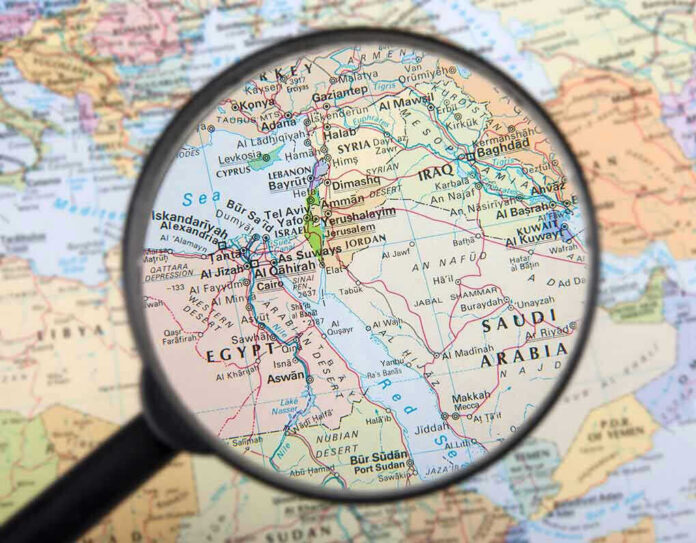
Saudi Arabia’s record-breaking execution spree in 2025 exposes a shocking disregard for basic human rights and threatens global stability as foreign nationals are targeted in secretive courts.
Story Snapshot
- Saudi Arabia has executed over 241 people in 2025, most for non-violent drug offenses.
- Foreign workers from countries like Egypt, Pakistan, and Nigeria are disproportionately targeted.
- International watchdogs condemn widespread due process violations and coerced confessions.
- Saudi authorities claim these executions are vital for law and order, ignoring global outcry.
Saudi Surge in Executions Signals Authoritarian Crackdown
In 2025, Saudi Arabia’s government has accelerated a brutal crackdown on drug-related crimes, executing more than 241 people by August—most for non-lethal offenses. The majority of those killed are foreign nationals, often low-income migrant workers from Egypt, Pakistan, Ethiopia, and Nigeria. These executions are carried out under judicial discretion, or *ta’zir*, bypassing codified law and due process. This escalation marks a dramatic reversal from a short-lived moratorium and has sparked condemnation from human rights groups and foreign governments.
Saudi authorities publicly defend their actions as necessary for deterrence and public safety, but evidence from Amnesty International, Human Rights Watch, and Reprieve reveals systemic abuses. Foreign defendants frequently lack legal representation, face language barriers, and are subject to coerced confessions, especially in drug-related cases. In June alone, 46 executions took place, with 37 linked to drugs and 34 involving foreign nationals. These figures underscore a pattern of targeting the most vulnerable while maintaining an opaque and harsh justice system.
Human Rights Groups Warn of Widespread Abuses and Global Impact
International organizations have voiced alarm at the scale and secrecy of Saudi Arabia’s executions. Amnesty International calls the surge “truly horrifying,” highlighting the disproportionate targeting of foreign nationals for crimes that should never warrant the death penalty. Human Rights Watch warns of a “weaponized justice system,” where fair trials are routinely denied. UN Special Rapporteurs emphasize that Saudi practices are incompatible with international law, pointing to coerced confessions and the lack of legal representation for defendants. Such abuses threaten diplomatic relations with impacted countries and undermine Saudi Arabia’s attempts to project a modern, reformist image under its Vision 2030 plan.
The impact extends well beyond Saudi borders. Families of the executed face lasting trauma, while expatriate communities in the kingdom live in fear. Saudi Arabia’s labor market—heavily reliant on foreign workers—is at risk, with social unrest growing among those targeted. Political backlash from human rights bodies and foreign governments continues to mount, challenging Saudi leaders’ claims of legal compliance. The damage to Saudi Arabia’s reputation is severe, with long-term consequences for trade, security, and regional stability.
Saudi Leadership’s Justifications and the Erosion of Transparency
Saudi government officials, led by King Salman and Crown Prince Mohammed bin Salman, maintain that executions are lawful and essential for maintaining order. However, their assertion of judicial discretion via *ta’zir* enables judges to impose death sentences for drug offenses without transparent legal standards. The monarchy’s centralized authority leaves foreign nationals with little recourse, while human rights organizations face restrictions and operate externally. Contrary to reform promises, the justice system remains opaque, harsh, and increasingly authoritarian—a point repeatedly underscored by independent observers.
Recent developments include the execution of journalist Turki al-Jasser, raising alarm over the use of capital punishment to silence dissent. Mass executions for terrorism-related offenses and ongoing threats against activists further demonstrate the regime’s willingness to weaponize its justice system. As executions continue at a pace exceeding one per day, there is no sign of abatement. The long-term implications are chilling: entrenchment of authoritarian practices, erosion of judicial transparency, and a chilling effect on dissent and civil society.
Sources:
100 Executed in Saudi Arabia Already This Year – ALQST
Saudi Arabia Executes 100 Foreign Nationals So Far in 2025 – Reprieve
Saudi Executions Mostly for Drug Crimes – CBS News
180 Executions in 6 Months: What’s Driving Saudi Arabia’s Killing Spree in 2025 – NDTV
Saudi Arabia: Executions Surge in 2025 – Human Rights Watch
Democracy Tracker: Saudi Arabia April 2025 Report – International IDEA
Capital Punishment in Saudi Arabia – Wikipedia