A Democratic attorney general is dragging Speaker Mike Johnson into federal court, weaponizing the judiciary to force a swearing-in that would hand Democrats the final vote needed to release politically explosive Jeffrey Epstein files.
Story Snapshot
- Arizona AG Kris Mayes filed federal lawsuit against Speaker Johnson for delaying Representative-elect Adelita Grijalva’s swearing-in
- Grijalva’s vote would provide decisive signature on discharge petition forcing House vote on Jeffrey Epstein files release
- Johnson swore in two Florida Republicans during identical pro forma session in April, exposing potential double standard
- Arizona district left without representation for nearly a month amid ongoing government shutdown
Democrats Deploy Lawfare Against House Leadership
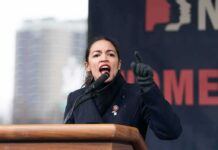
Arizona Attorney General Kris Mayes filed a lawsuit in U.S. District Court against the House of Representatives and Speaker Mike Johnson, demanding immediate swearing-in of Democratic Representative-elect Adelita Grijalva. Grijalva won her special election on September 23, 2025, to fill her late father Raul Grijalva’s congressional seat, yet remains unsworn nearly a month later despite the House conducting multiple pro forma sessions. The lawsuit requests a court declaration affirming Grijalva’s eligibility and authorization for an alternative official to administer the oath if Johnson continues refusing. This represents an unprecedented federal court challenge to congressional leadership’s authority over internal House procedures, raising serious separation of powers concerns that should alarm anyone who values constitutional boundaries between branches of government.
The Epstein Files Connection Democrats Won’t Mention
The timing of this lawsuit reveals the true motivation behind the urgency. Grijalva’s signature would provide the final vote needed on a discharge petition forcing the House to vote on releasing files related to convicted sex offender Jeffrey Epstein. Democrats have been pursuing this disclosure through procedural mechanisms that bypass leadership control, and Grijalva represents their path to success. Speaker Johnson’s scheduling decisions suddenly become a constitutional crisis precisely when they block a Democratic political objective. The discharge petition mechanism allows a majority to force votes without leadership approval, undermining the Speaker’s authority to set the legislative agenda. This entire controversy centers not on representation principles, but on Democrats’ determination to trigger a politically charged vote over Republican objections.
Selective Outrage Over Established Precedent
Democrats point to an April 2, 2025 incident when two Florida Republicans were sworn in during a pro forma session just one day after winning their special elections. This precedent strengthens their argument for immediate action and exposes a potential inconsistency in applying House rules. However, the circumstances differ substantially. Those Republicans were sworn in before the current government shutdown created unprecedented legislative paralysis, and their votes didn’t trigger specific controversial actions Democrats were engineering. The House has remained out of regular session since September 19, 2025, when it passed a temporary funding measure. Johnson has extended what was initially a week-long break amid shutdown negotiations, creating legitimate scheduling complications. Grijalva is physically present in Washington awaiting her ceremony, yet the extended recess and shutdown have disrupted normal operations including member swearing-in procedures that typically occur during regular sessions.
Constitutional Overreach Through Federal Courts
This lawsuit represents a dangerous expansion of judicial authority into congressional internal operations. The Speech or Debate Clause traditionally shields legislative procedures from court interference, preserving Congress’s constitutional autonomy to govern its own operations. Mayes seeks to use federal courts to dictate House scheduling and ceremonial functions, setting a precedent that would invite future judicial micromanagement of legislative business. If courts can compel swearing-in ceremonies on plaintiffs’ preferred timelines, what prevents them from ordering votes on specific legislation or controlling committee assignments? The separation of powers exists precisely to prevent one branch from commandeering another’s core functions. Johnson’s authority over House scheduling and procedures flows from his role as Speaker, not from judicial supervision.
Arizona Voters Left Without Representation
Arizona constituents in Grijalva’s district have indeed been without full congressional representation since her father’s death, and the delayed swearing-in extends this gap. Any legislative actions occurring during this period proceed without their representative’s participation, potentially affecting district interests. However, the House has conducted no substantive legislative business during this shutdown period, meaning no actual votes have occurred without Arizona’s participation. The representation argument becomes less compelling when the institution itself remains largely dormant amid budget negotiations. Democrats weaponize constituent concerns while their actual priority involves forcing the Epstein files vote, not restoring representation to a district experiencing no practical harm during a legislative standstill.
Shutdown Politics Meet Procedural Warfare
The government shutdown amplifies every aspect of this dispute, creating the legislative vacuum that enables both Johnson’s extended delay and Democrats’ lawsuit strategy. Johnson passed a seven-week temporary funding measure on September 19, 2025, but the subsequent shutdown has prevented normal House operations from resuming. Democrats frame the delay as intentional obstruction while Johnson characterizes it as a scheduling matter during unprecedented circumstances. Both parties understand that Grijalva’s swearing-in immediately enables the discharge petition, transforming a routine ceremony into a strategic decision with significant legislative consequences. The intersection of shutdown chaos, special election timing, and the Epstein files controversy creates unique political stakes that transcend typical procedural disputes and expose how Democrats exploit every available mechanism, including federal courts, to advance their agenda regardless of institutional norms or constitutional boundaries.
Sources:
Arizona attorney general sues Mike Johnson over delay in Adelita Grijalva swearing-in – CBS News
Grijalva Sues Congress as Johnson Delays Her House Swearing-In – Bloomberg Government