
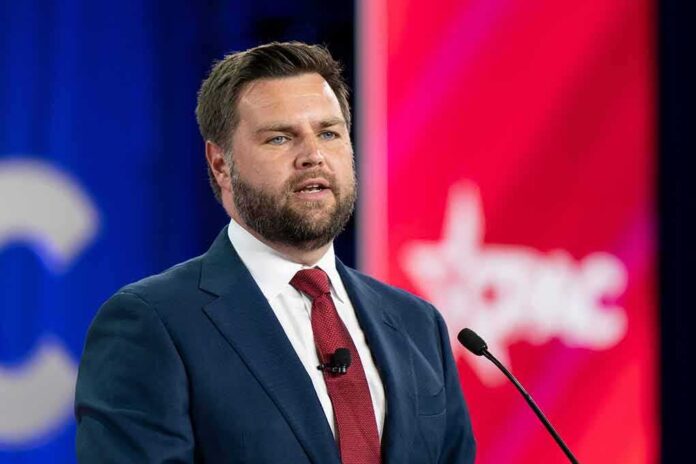
ABC’s abrupt cut-off of Vice President JD Vance during a live interview exposes how mainstream media shields the Biden-era establishment from scrutiny over alleged corruption, while conservatives demand transparency and accountability.
Story Snapshot
- ABC’s Stephanopoulos ended a live interview with VP JD Vance over questions about alleged bribery involving Trump Border Czar Tom Homan.
- Media hostility toward the Trump administration remains high as new immigration crackdowns spark debate.
- Trump’s second term brings sweeping changes to immigration enforcement, border security, and executive power.
- Left-leaning critics claim constitutional rights and due process are at risk under aggressive new policies.
ABC News Confrontation Highlights Media Bias
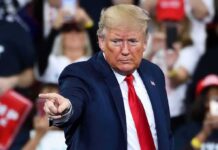
On Sunday, ABC News anchor George Stephanopoulos abruptly terminated a live interview with Vice President JD Vance after the two clashed over allegations that Trump Border Czar Tom Homan accepted a bribe during a 2024 FBI sting operation. The charges remain unproven, but the incident spotlighted mainstream media’s continued resistance to the Trump administration’s efforts to hold prior officials accountable. Many conservative viewers see such interruptions as evidence that legacy outlets protect establishment interests instead of fairly reporting on potential wrongdoing.
The confrontation also reflects ongoing tensions between the press and the new administration, especially as Trump officials pursue aggressive reforms. The Biden-era media landscape, critics argue, has deepened public mistrust in news organizations perceived as hostile to conservative values and constitutional protections. For Trump supporters, the ABC-Vance exchange typifies a broader pattern of editorial bias, where uncomfortable questions about Democratic officials or policies are avoided or suppressed.
Trump Administration Escalates Immigration Enforcement
Since returning to office in January 2025, President Trump has rapidly implemented sweeping changes to immigration law and enforcement. Key measures include declaring a national emergency at the southern border, ending “catch and release” for illegal immigrants, and suspending birthright citizenship for children of non-resident parents. The administration also enacted the Laken Riley Act, requiring the detention of immigrants charged with or convicted of certain crimes. These actions signal a dramatic escalation in federal enforcement, with ICE raids now permitted in previously “sensitive” locations such as schools and churches—reversing years of leniency under prior administrations.
Trump’s Border Czar, Tom Homan, has overseen record deportations and coordinated with the Department of Homeland Security to disrupt large immigrant communities across major U.S. cities. The administration claims to have deported over 207,000 migrants by June 2025, though independent estimates suggest the number may be closer to 140,000. The new policies have sharply reduced illegal border crossings to the lowest levels in decades, but have also caused significant upheaval for families and communities, sparking debate over due process and civil liberties.
Constitutional Concerns and Executive Power
The Trump administration’s aggressive approach to immigration enforcement has raised concerns among left-leaning legal experts about potential erosion of constitutional rights. Executive orders now allow law enforcement to enter migrant homes without warrants, while attorneys opposing mass deportations face threats of retaliation for “frivolous” litigation. Project 2025, a conservative policy blueprint, calls for empowering ICE to use expedited removal nationwide and expanding state and local involvement in federal immigration enforcement. Critics warn these steps may undermine the Fourth Amendment and due process, while supporters argue they are necessary to restore law and order and protect American citizens.
Conservative analysts contend that increased executive authority is vital to curb government overreach, dismantle bureaucratic obstacles, and prevent further abuse of power by entrenched interests. The administration has focused on rolling back programs seen as promoting illegal immigration or undermining national sovereignty. The end of birthright citizenship and suspension of refugee admissions underscore a commitment to prioritizing American jobs, security, and constitutional values.
As the administration continues to reshape immigration policy, ongoing legal challenges and media scrutiny will test the resilience of constitutional protections. For conservative Americans, these reforms represent a long-overdue correction to years of unchecked globalism and government expansion. The outcome will determine the future balance between executive power, individual rights, and national security in a rapidly changing political landscape.
Sources:
Immigration policy of the second Trump administration – Wikipedia
The First 100 Days of the Second Trump Administration
The Trump Administration’s 2025 Changes to Immigration Law …
Protecting The American People Against Invasion – The White House