
Did the Biden administration really funnel your hard-earned tax dollars to support protests against Israeli Prime Minister Benjamin Netanyahu? The implications could be far-reaching.
At a Glance
- House Republicans allege the Biden administration allowed $900 million to support anti-Netanyahu protests.
- Allegations include potential links to groups with extremist ties.
- House committees are leading the investigation and demanding documents from involved NGOs.
- Netanyahu condemns U.S. involvement as foreign interference in Israeli politics.
Allegations of U.S. Interference
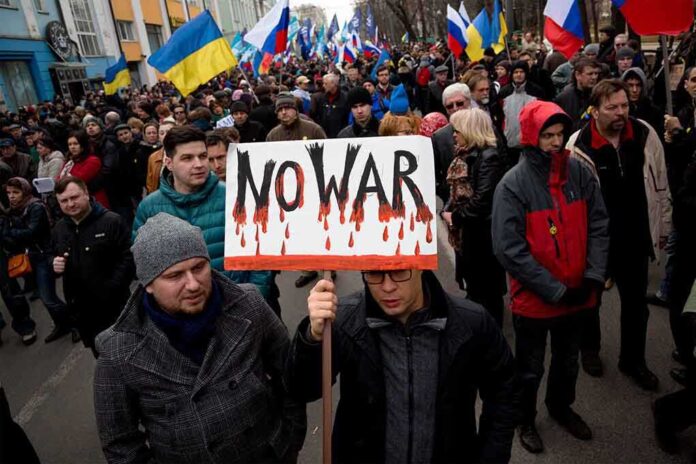
The Biden administration stands accused of orchestrating a clandestine operation to influence Israeli domestic affairs. This comes amidst allegations that over $900 million in taxpayer money was funneled to NGOs involved in protests against Prime Minister Benjamin Netanyahu’s judicial reforms. These reforms, aimed at consolidating more power within the government, were met with fierce opposition and protests throughout Israel in 2023. Allegations suggest that funds intended to promote democracy were instead used to sow discord and challenge Netanyahu’s leadership.
House Republicans are taking the lead in probing these accusations. They claim that funds, meant for international aid and democracy promotion, were misused to support organizations at the forefront of these protests. The controversy has sparked a political firestorm, raising questions about the ethical boundaries of U.S. foreign policy and its implications on an ally’s sovereignty.
Key Players and Their Roles
The investigation names several key players, including the Biden-Harris administration, which allegedly oversaw the distribution of these funds. Netanyahu, the target of these protests, has used these allegations to rally domestic support, portraying them as an attack on Israeli sovereignty. The House Judiciary and Foreign Affairs Committees, wielding subpoena power, are keen on uncovering any misuse of funds and holding those responsible accountable. Several NGOs, including PEF Israel Endowment Funds and the Jewish Communal Fund, are under scrutiny for allegedly funneling substantial sums to protest organizers.
These NGOs, some of which have denied wrongdoing, are now facing intense investigation. The U.S. Agency for International Development (USAID) and the State Department, through which these funds were allegedly distributed, are also under the microscope for their role in this debacle.
Current Developments and Reactions
In July 2025, the House Judiciary Committee released a memo based on 380 documents obtained from six NGOs. The memo alleges that the Biden administration’s funds not only supported anti-Netanyahu protests but were also linked to groups with alleged ties to terrorism. Netanyahu has labeled this as a “massive foreign intervention,” a sentiment echoed by many concerned about the integrity of U.S. foreign aid. Despite the gravity of these allegations, no legal action or criminal referrals have been issued as of now, leaving the investigation open and ongoing.
As the investigation unfolds, the political implications are profound. The allegations have intensified diplomatic tensions between the U.S. and Israel, with Netanyahu leveraging the situation to reinforce his narrative of foreign interference. The controversy also amplifies scrutiny of U.S. foreign aid policies and the oversight of nonprofit funding, raising crucial questions about transparency and accountability.
Future Implications and Sectoral Impact
The long-term consequences of these allegations could be significant. If substantiated, they could lead to stricter oversight of U.S. grant-making policies, particularly regarding funds distributed to NGOs with political agendas. Legislative and regulatory reforms may also emerge in both the U.S. and Israel to address foreign funding of political movements. The nonprofit and philanthropic sectors, already under pressure for greater transparency, could face even more stringent compliance requirements.
Critics argue that these allegations, if proven true, represent a serious breach of norms regarding foreign intervention. While U.S. support for democracy and civil society abroad is longstanding, any direct involvement in allied democracies’ internal politics is controversial and potentially destabilizing. This investigation highlights the delicate balance between promoting democratic values and respecting sovereign governance, a balance that appears to have been tipped in a direction causing international concern.