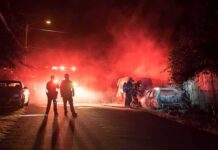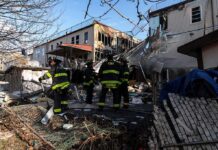

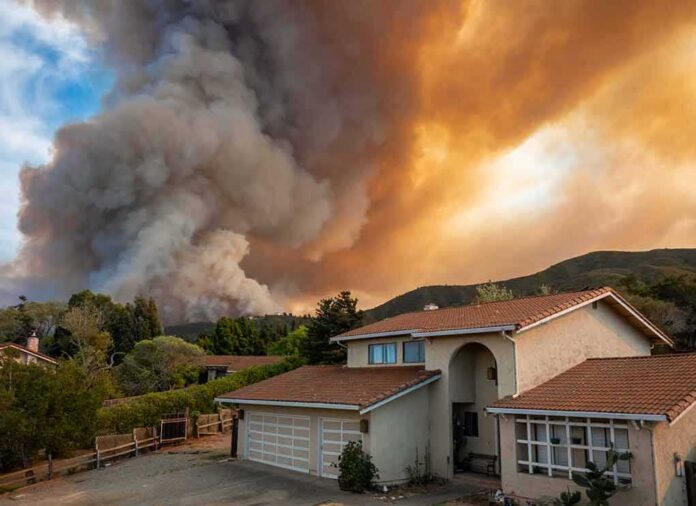
A new book pins part of the Palisades Fire on “DOGE,” but official records and a jury verdict point to arson, extreme winds, and strained infrastructure instead.
Story Snapshot
- Federal jurors convicted a man for starting the earlier fire tied to the Palisades disaster.
- National climate and weather reports logged record dryness and near-hurricane-force winds.
- A state water analysis flagged low hydrant pressure and an empty reservoir during the fire.
- Soboroff’s book criticizes elites and misinformation but separates ignition from response issues.
What the Book Claims and What the Record Shows
On television and in print, journalist Jacob Soboroff linked the disaster’s scale to climate change, failing infrastructure, and government choices. He also tied those themes to “DOGE,” while saying his work does not absolve officials of possible mistakes in the response. These points speak to a core public worry: powerful people talk, but systems break when families need help. The book’s broad blame claims now face hard facts from court records and official weather assessments.
Federal prosecutors argued a smaller fire began days earlier and later flared under severe Santa Ana winds. A federal jury convicted Jonathan Rinderknecht of starting the deadly blaze, after the first trial ended in a mistrial. Reporters said the case used photos, phone data, and expert testimony to link him to the ignition. Jurors did not rule on city water or fire response, which remain hot points in the community. That limits what the verdict explains and what it leaves open.
Fire Weather: Dry Fuels and Damaging Winds
United States climate records show Los Angeles went into January 2025 very dry after months with little rain. The National Oceanic and Atmospheric Administration reported dangerous fire weather and near-hurricane-force Santa Ana winds that helped spread flames fast. Forecasts called for gusts of 50 to 80 miles per hour, with some spots even higher. These conditions do not name an igniter, but they explain why small sparks became a citywide threat so quickly.
This is the split many communities face. Weather and fuels set the stage. Human actions, accidents, or crimes light the match. Once fire starts, infrastructure and response decide how bad it gets. People on the right see policy failure, waste, and mixed priorities. People on the left see brittle systems, risk piled on the poor, and warnings ignored. Both sides now look at January 2025 and say the systems did not work when it mattered.
Water and Infrastructure Under the Microscope
A California analysis of the Palisades event reviewed water supply and firefighting system performance. Firefighters reported low to no hydrant pressure when many hydrants were opened at once across neighborhoods. The same discussion flagged an empty one-hundred-seventeen-million-gallon reservoir in the Palisades area. Engineers and city officials have disputed pieces of this story, but the documented pressure problems and reservoir status became key questions after the smoke cleared.
These facts strike a nerve across the spectrum. Taxpayers wonder why basic gear failed. Homeowners ask why a giant reservoir sat empty during peak danger. Environmental rules, budget choices, and maintenance backlogs all come up in blame rounds. That is why many survivors say the arson verdict does not answer how the fire killed so many and burned so much. They want proof that water, power, and command systems will not fail the next time winds return.
Sorting Ignition From Accountability
Public debate now runs on two tracks. One focuses on who started the first fire. The other asks why the disaster grew so large. Court evidence supports the arson finding. National weather records support the extreme wind and dryness that drove spread. State analysis points to water system strain in the first hours. Soboroff’s claims about “DOGE” sit apart, because the available record does not show a direct line from “DOGE” to the initial spark at Palisades.
Here is the shared concern: leaders talk about safety, but systems fail under stress. That is not a left or right problem. It is a trust problem. Practical fixes are clear. Publish hydrant-flow logs and pump records from the incident window. Release a transparent timeline of staffing, staging, and water moves. Test the system under load before the next wind event. People will judge by data, not spin. That is how you rebuild public trust and protect lives.
Sources:
ncei.noaa.gov, pbs.org, calepa.ca.gov, latimes.com
© patriotspotlight.org 2026. All rights reserved.