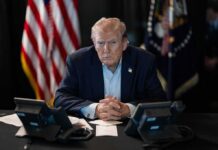

President Trump said he is “looking at” firing U.S. Ambassador to Greece Kimberly Guilfoyle after reports she asked a donor to cover a $100,000 credit card bill tied to promised access, thrusting alleged pay-to-play into official diplomacy.
Story Snapshot
- Trump confirmed he is weighing Guilfoyle’s removal and said the White House is “not happy”.
- Media reports cite texts showing a $100,000 request to a donor ahead of Senate confirmation.
- Guilfoyle denies wrongdoing; her lawyer says the money was unpaid speaking fees and disputes the texts’ authenticity.
- Secretary of State Marco Rubio is also reviewing the matter, according to the Associated Press.
What Triggered the Possible Firing
President Trump told reporters on October 12 that he is considering firing Guilfoyle and that “we’re not happy,” confirming active deliberations at the highest level. The comments followed a cascade of stories describing messages in which Guilfoyle allegedly asked Republican donor Eric Deters to help pay a $100,000 American Express bill before her Senate hearing. Deters publicly said the request amounted to “pay to play,” claiming it was tied to access to senior administration officials.
The Associated Press reported that both Trump and Secretary of State Marco Rubio were weighing removal after “mounting reports of improper conduct,” citing a senior official who described their anger. That put a personnel decision on a fast track and raised questions about guardrails inside the State Department. The reports say the alleged request occurred near Guilfoyle’s confirmation process, which, if proven, would heighten concerns about judgment and potential conflicts during a sensitive transition into public office.
The Evidence and the Disputes
CBS News published screenshots attributed to Signal messages in which Guilfoyle allegedly urged Deters to wire funds, saying a payment to American Express “won’t show up anywhere” and pressing for same-day action. The messages, if authentic, would be damaging because they suggest urgency and an intent to keep the transaction discreet. Guilfoyle’s attorney disputes the authenticity of the texts and says she sought unpaid compensation for prior speaking and appearance work, not money in exchange for official access.
The record so far relies on materials Deters supplied to media outlets and his public claims. The available reporting does not show a verified transfer of $100,000, delivery of promised access, or an official act that followed the request. That gap matters for any legal or ethics finding. Still, the allegations were serious enough to spur White House and State Department reviews, and to prompt global headlines that can harden public opinion before any independent authentication is complete.
How This Fits a Larger Pattern of Access Concerns
This case blends three issues that are often lumped together: whether money opened doors, whether access was offered for money, and whether that conduct is disqualifying for an ambassador. Research shows donors often get more access than regular citizens, even without an explicit deal. In one field experiment, congressional offices were three to four times more likely to meet when told attendees were donors. That does not prove bribery here, but it explains why “pay to play” claims land with many Americans.
Voters on the right and left see a deeper problem: government by insiders. Conservatives point to cozy ties and broken ethics they blame on a permanent political class. Liberals point to favoritism that leaves regular people behind. Both sides worry when reported private debts, wealthy friends, and official roles mix. If leaders cannot show fast, clear standards—and apply them evenly—people assume the rules are for the powerless while the well connected skate by.
What We Know, What We Do Not
We know Trump confirmed he may fire Guilfoyle and that the administration is unhappy with what it has learned so far. We know a donor says she asked him to pay a $100,000 credit card bill and called it a quid pro quo for access, and that screenshots were provided to reporters. We also know Guilfoyle denies wrongdoing, disputes the texts, and says any money claim was for unpaid work that predated her nomination.
We do not have an official inspector general report, forensic validation of the full message threads, bank records showing a completed payment, or proof of a specific official act traded for money. The Associated Press reported that Rubio is engaged, which signals State Department concern at the top. Until the government releases findings, this remains a live personnel decision with open evidentiary questions—and a test of whether ethics rules beat politics when the pressure rises.
Sources:
thegatewaypundit.com, politico.com, apnews.com, pbs.org, knews.kathimerini.com.cy
© patriotspotlight.org 2026. All rights reserved.