

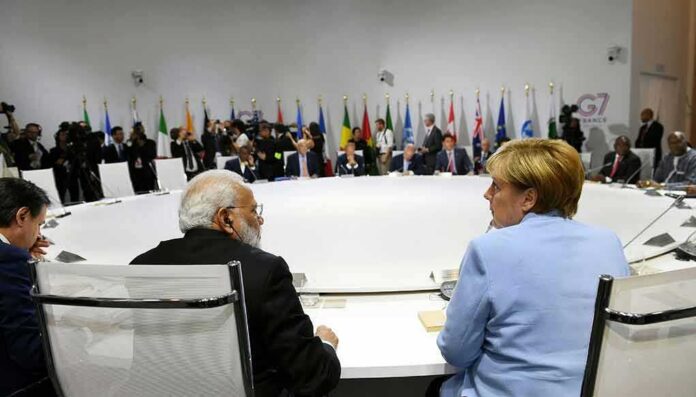
At the United Nations, President Trump said he could “annihilate” Iran, framing peace as the alternative — a stark threat voiced on the world’s main stage for diplomacy.
Story Highlights
- Trump told the United Nations he faced a choice between a deal with Iran or “annihilating” the Islamic Republic.
- Major outlets reported the same wording, confirming the remark was public and repeated.
- Trump later linked “annihilating Iran” to creating peace in the world in an interview summary.
- Some coverage framed the threat as bargaining, not a set war plan, adding uncertainty to intent.
What Trump Said At The United Nations, And Why It Landed Hard
President Trump told the United Nations General Assembly on September 22, 2026, that he had a “big decision” to make on Iran. He said the choice was a deal that would let Iran rebuild, or to “annihilate the Islamic Republic” quickly so it could not kill and destroy again. Multiple outlets quoted the same language, which reduces any doubt about what was said. The remark came in a forum meant for peace talks, which made the threat stand out sharply.
Reporters also noted Trump’s claim that his actions had blocked Iran from getting a nuclear weapon, which he cast as the core goal of his policy. The speech fit a pattern of hard threats mixed with mentions of a possible deal. That approach is common in high pressure talks, but it can blur lines between leverage and intent. For many people watching, the blunt word “annihilate” crossed a line that normalizes extreme war talk.
How The Administration And Supporters Frame The Threat
In follow-on coverage of a Time interview, Trump linked annihilation to peace, saying that by “annihilating Iran” the United States had created peace in the world. He also said renewed bombing was possible, which signaled he saw force as a live option, not only a line for effect. Some reporting described the rhetoric as a negotiating tactic rather than a set plan to wipe out Iran or use nuclear weapons, a view that tries to contain alarm over the wording.
Supporters often argue that strong threats deter Iran’s nuclear ambitions and missile programs. Reuters documented voters who backed air and sea strikes as the only way to stop long-range and nuclear missile stockpiles, even as they drew lines against deeper war or occupation. That view treats public threats as a tool to keep Americans safe without endless ground war. Still, many Americans on both left and right worry that such language can slide into open-ended conflict.
Why This Matters For Americans Across The Spectrum
The United Nations speech fed a broader fear: leaders in Washington talk past real costs while playing high stakes games. Conservatives who are tired of globalism and endless wars see risk in bold words that could spark blowback and higher oil and energy costs at home. Liberals who are worried about human rights and widening inequality hear a threat that expands war and diverts money from social needs. Both groups sense elites are not honest about the tradeoffs.
"U.S. President Donald Trump said Wednesday he would decide “very soon” whether to “blow up” Iran, as Tehran said it had received Washington’s formal response to its proposal to end the seven-month war.
“We have to make that decision: We blow them up or make a deal,” Trump told…
— Zoraida Sánchez (@Pettunia14) October 2, 2026
Legally and morally, the word “annihilate” raises alarms. But the record here is mostly public remarks, not orders or plans released to the public. That limits what we can prove about intent. The clearest facts are the quotes at the United Nations and in interview coverage, the repeated pairing of “deal or annihilation,” and press notes that some see it as leverage. The gap between talk and documented policy keeps citizens guessing — and fuels distrust of a government they feel is not straight with them.
What To Watch Next: Signals Beyond The Rhetoric
Watch for an official transcript of the United Nations address and any White House briefing notes to confirm whether the wording was scripted or ad-libbed. Look for updated Defense or State Department statements that spell out targets, limits, and goals. Clear guardrails matter. Also track whether Congress demands briefings on strike plans and civilian risk. If leaders want public trust, they need to show their work — not just talk tough on the world stage and leave Americans in the dark.
Sources:
twitchy.com, bbc.com, nbcnews.com, abcnews.com, latimes.com, iranintl.com, aljazeera.com, commondreams.org
© patriotspotlight.org 2026. All rights reserved.