A dangerous heat wave forced major America 250 celebrations to change plans, cancel events, and close outdoor venues across several cities.
Quick Take
- Philadelphia canceled its Salute to Independence parade because of extreme heat.
- Washington, D.C. pushed back major July Fourth programming as triple-digit temperatures neared.
- The Great American State Fair on the National Mall shut down for hours as temperatures rose.
- Officials in nearby towns also canceled parades and outdoor activities for safety reasons.
Philadelphia Leads the List of Canceled Events
Philadelphia took one of the biggest hits. Organizers canceled the Salute to Independence Semiquincentennial Parade because of extreme heat, and CBS News reported that the city could see four straight days above 100 degrees for the first time in recorded history. Other Philadelphia-area events also changed course, including the National Constitution Center’s outdoor plans and several nearby parades.
The cancellations were not limited to one city block. Norristown, Haddon Township, Cape May, Bethany Beach, Coatesville, and Lansdowne all changed or scrapped July Fourth events because of the heat. Visit Philadelphia also listed the parade as canceled due to extreme heat, showing how quickly a holiday schedule built around crowds and street events can unravel when the weather turns dangerous.
Washington Kept Going, But on a New Schedule
Washington, D.C. did not abandon its America 250 plans, but it changed them. The National Park Service delayed the start of the “Salute to America” event from 1 p.m. to 5 p.m. because of expected triple-digit heat, according to TODAY.com. The Great American State Fair on the National Mall also shut down for several hours, then planned to reopen later in the day when conditions improved.
The heat also pushed officials to widen safety measures beyond simple schedule changes. The National Park Service said the National Mall entry time for fireworks was pushed later, and the outdoor “A Capitol Fourth” concert opened to the public later than planned. Reuters reported that over 185 million people were under heat alerts, with some areas facing heat index values as high as 115 degrees. That scale explains why organizers treated the weather as a public safety issue, not a minor inconvenience.
Safety, Politics, and the Bigger Pattern
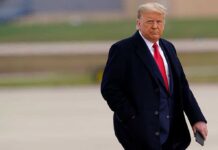
Medical responders treated people for heat-related illness during the events, and PBS reported that more than 100 people in Pennsylvania were treated for heat-related illnesses at an event tied to the 250th anniversary celebration. The White House said President Trump’s top concern was the safety and security of participants. That message fits the facts in the reporting, even if some details about specific safety reviews have not been made public.
Happy 4th of July, Maryland! We hope that you all are safely celebrating 250 years of the United States of America!
Remember to celebrate safely and responsibly, especially during this heat wave: pic.twitter.com/m9PYbA7Pkd
— Maryland Department of Emergency Management (MDEM) (@MDMEMA) July 4, 2026
The broader story goes beyond one holiday weekend. Extreme weather is now shaping how the country holds major public events, especially outdoor festivals and parades. A scientific review found that festivals are especially vulnerable to weather disruptions. This year’s July Fourth scramble showed that pattern in real time. It also highlighted a simple problem both sides of the political debate understand: when the government and event planners cannot protect large crowds from obvious risks, public trust takes another hit.
Sources:
youtube.com, today.com, thehill.com, yahoo.com, facebook.com, x.com, newsweek.com
© patriotspotlight.org 2026. All rights reserved.