Record drug busts at the southern border are testing a simple question: did tougher Trump-era enforcement actually choke the cartels, or just catch more of what was already coming?
Story Highlights
- Trump’s 2025 emergency order tied border security directly to drug interdiction and empowered agencies to act [1].
- Most fentanyl is seized at legal crossings, where inspection pressure is highest, not between ports [6].
- Analysts report that four in five fentanyl smugglers caught at ports were U.S. citizens, not migrants [2].
- Seizure trends show large fentanyl hauls in recent years, then declines in 2025–2026 as tactics shift [5][6][7].
Emergency Authority Put Drug Interdiction at the Center
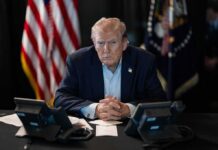
President Trump declared a national emergency in February 2025 to confront illicit drugs and the criminal networks moving them. The order directed the Department of Homeland Security and partner agencies to use sweeping authority under federal emergency law to disrupt trafficking, including tougher actions tied to trade with Canada. The move formally linked border control to the overdose crisis and gave operators a clear mandate to press harder at crossings and checkpoints where drugs enter the country [1].
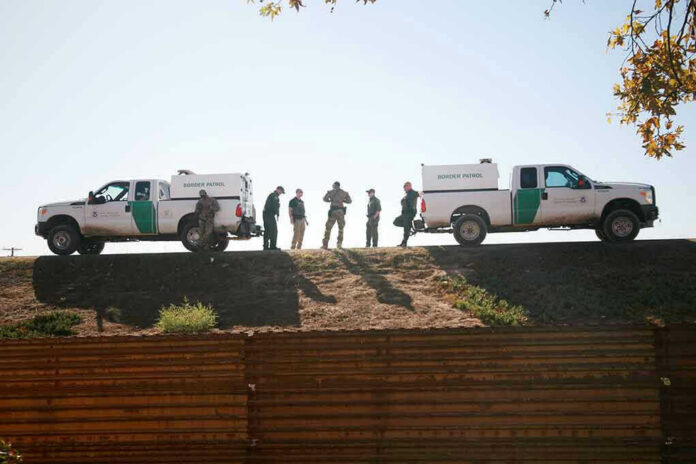
The policy message to agencies was straightforward: make drug interdiction a top mission and surge tools to the chokepoints. Customs officers, Border Patrol agents, and investigators concentrated more scans, canine teams, and targeted inspections at the ports of entry. That is where officers inspect cars, trucks, and travelers before they enter. This is also where the data show most high-potency drugs, including fentanyl, are actually detected and seized under normal conditions [6].
Where the Drugs Are Caught: Ports, Not Open Desert
Government reporting and independent reviews agree that the vast share of fentanyl seizures occur at official crossings. In fiscal year 2025, analysts tracking Customs and Border Protection data reported that 86 percent of fentanyl seizures at the U.S.-Mexico border happened at ports of entry. Only small shares occurred at interior checkpoints or in the open border zone. That pattern reflects how smugglers hide loads in passenger cars and cargo, not on foot in remote terrain [6].
That same record challenges a common myth about who moves these loads. A Freedom of Information Act analysis found that about four in five people caught smuggling fentanyl at southern border ports from 2019 through mid-2024 were U.S. citizens. Cartels exploit trusted traveler profiles and familiar plates because they draw less attention in busy lanes. That reality backs an enforcement focus on technology, targeted intelligence, and layered screening at the legal crossings themselves [2].
Seizure Totals Surged, Then Shifted as Tactics Evolved
Seizure data show huge growth in fentanyl hauls through 2023, reflecting both rising cartel supply and improved detection. Analysts documented an increase at the southern border from roughly 4,600 pounds in 2020 to about 26,700 pounds in 2023, a dramatic rise that demanded action at the ports. Aviation and marine teams also reported large nationwide drug seizures as operations expanded, showing a broader federal push against trafficking networks [7].
After the 2025 enforcement shift, the mix began to change. Border data trackers noted fentanyl seizures fell in 2025 as cocaine increased, suggesting cartels probed new routes and loads under more intense screening. Public data show monthly fentanyl seizures also dipped in early 2026, including a notable decline from March to April. These moves likely reflect inspection pressure at chokepoints, cartel adjustments, and changing production cycles, all happening at once [6][5].
What “Record Seizures” Mean—and What They Don’t
Politicians often cite seizure totals to claim victory or assign blame. Experts warn that seizures measure interdiction output, not total drug flow, and that numbers rise or fall with changes in inspection intensity, smuggler tactics, and market shifts. Still, when most fentanyl is caught at ports, it makes sense that more scanners, more targeted lanes, and tougher screening yield bigger catches there. That is how disruption looks when the threat rides through the front gate [6].
For conservative readers worried about family safety, the takeaway is clear. Focus resources where the drugs actually move, hold cartels and their U.S. accomplices to account, and keep federal agencies locked on interdiction, not distractions. The Trump administration’s emergency order set that focus. The data confirm the ports are the battleground. The next test is staying relentless—more tech, faster intel, and tougher penalties—until overdose deaths fall and cartel profits crack [1][2][6][7].
Sources:
[1] Web – How The Trump Admin Achieved Record Drug Seizures
[2] Web – Imposing Duties to Address the Flow of Illicit Drugs Across Our …
[5] Web – Migrant Drug Seizures by Border Patrol Incredibly Rare, Data Shows
[6] Web – How much fentanyl is seized at US borders each month? – USAFacts
[7] Web – Weekly U.S.-Mexico Border Update: Drug seizure data, Pope Leo …
© patriotspotlight.org 2026. All rights reserved.