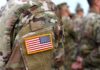
Defense Secretary Pete Hegseth just ended decades of treating our military bases like gun-free zones, restoring Second Amendment rights to service members who’ve been left defenseless against threats both foreign and domestic.
Story Snapshot
- Hegseth issued directive April 2, 2026, requiring commanders to presume approval for off-duty troops carrying personal firearms on base
- New policy reverses post-Vietnam era restrictions that disarmed service members except during training or law enforcement duties
- Move comes after string of deadly base shootings exposed vulnerabilities in “gun-free zone” approach to military installation security
- Commanders must now provide written justification to deny carry requests, flipping accountability structure that previously blocked constitutional rights
Restoring Constitutional Rights Where They Matter Most
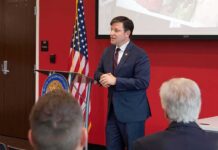
Defense Secretary Pete Hegseth signed a memorandum April 2, 2026, directing military installation commanders to approve requests from off-duty service members to carry privately owned firearms on base with a presumption of approval. The directive effectively ends the gun-free zone status that has characterized military installations since the post-Vietnam era, when DoD regulations began restricting personal firearm possession to official duties, training, or rare exceptions. Commanders must now justify denials in writing with detailed reasoning, reversing the burden that previously kept America’s most highly trained warriors disarmed on their own bases.
Decades of Leaving Warfighters Vulnerable
Military bases have operated under restrictive firearms policies for over fifty years, formalizing limitations that treated service members as threats rather than protectors. A 2016 National Defense Authorization Act provision allowed commanders to permit personal protection carry if deemed necessary, yet approvals remained exceptionally rare as local policies maintained the status quo. The approach left installations vulnerable to deadly attacks, including the 2019 Naval Air Station Pensacola shooting and incidents at Holloman Air Force Base and Fort Stewart, where only military police carried weapons outside designated ranges and training areas while off-duty personnel remained defenseless.
Hegseth framed the policy shift as both constitutional restoration and practical security measure, stating in his video announcement that service members would no longer be stripped of Second Amendment protections. He emphasized that uniformed personnel receive training to the highest standards, noting that not all enemies are foreign and that minutes matter when seconds count. The directive applies only to off-duty personnel and excludes concealed carry inside buildings, integrating with existing security protocols at gates and high-traffic areas while expanding protection where troops live and move around installations.
Accountability Flips to Commanders Who Deny Rights
The new directive introduces a fundamental accountability shift by requiring written justification from commanders who deny carry requests rather than forcing service members to prove necessity. This presumption of approval marks a departure from policies that treated constitutional rights as privileges requiring exceptional circumstances. Installation commanders must now balance force protection concerns with their service members’ Second Amendment rights, creating tension with traditional security approaches that centralized armed response in military police units. The policy acknowledges that America’s warriors deserve the same self-defense rights afforded to civilians, especially given their advanced weapons training and dedication to protecting others.
Implications for Military Culture and Federal Policy
Short-term implementation will test integration between armed off-duty personnel and existing military police operations, particularly around housing areas, gates, and community facilities. Long-term implications extend beyond military installations, potentially setting precedent for other federal facilities like VA hospitals where gun-free zone policies have sparked similar constitutional debates. The directive advances a pro-Second Amendment agenda within the Trump administration’s second term, though questions remain about alignment with varying state concealed carry laws and emergency response protocols when multiple armed individuals respond to threats on base.
This policy change represents common sense for those who’ve watched America’s most capable defenders rendered helpless by bureaucratic gun control. Service members train with weapons systems civilians never touch, operate under strict discipline codes, and volunteer to face danger others avoid. Treating them as second-class citizens regarding constitutional rights while demanding they protect the nation exposes the absurdity of gun-free zone ideology that leaves soft targets for those who ignore rules. Hegseth’s directive corrects a decades-old error that prioritized political correctness over both security and liberty, restoring rights that should never have been stripped from those who defend all our freedoms.
Sources:
New Hegseth Order Lets Troops Carry Personal Firearms on Base – Military.com
Pentagon authorizes service members to keep personal firearms on base – Stars and Stripes
Hegseth says he will let troops take personal firearms onto military bases – CBS News