
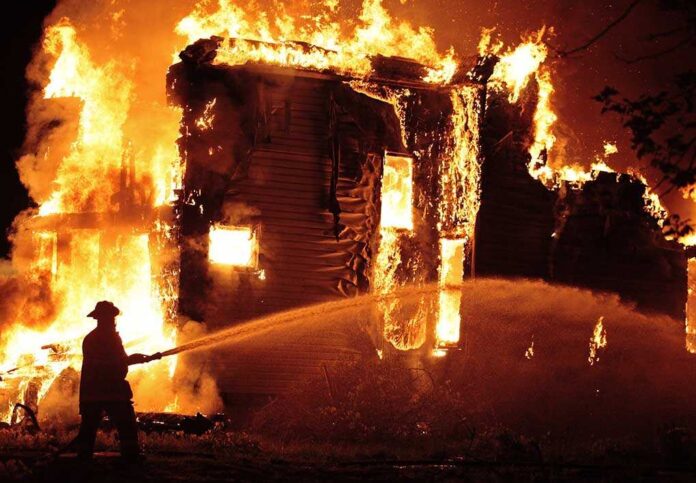
A devastating New Year’s Eve fire at a Swiss ski resort bar has claimed dozens of lives, exposing critical safety failures that turned a celebration into one of the deadliest incidents in the region’s recent history.
Story Snapshot
- Fire erupted at 1:30 AM on January 1, 2026, at Le Constellation bar in Crans-Montana during packed New Year’s celebrations
- Approximately 40 people feared dead with over 100 injured as flames engulfed the venue within minutes
- Emergency services overwhelmed by the scale of casualties and severe burn injuries requiring weeks for victim identification
- Swiss authorities report no foul play suspected, pointing to potential overcrowding or facility failures as cause
Tragedy Strikes During Peak Celebrations
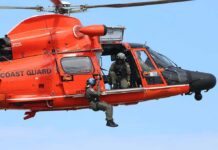
The Le Constellation bar in Crans-Montana transformed from a festive New Year’s venue into a death trap at approximately 1:30 AM on January 1, 2026. The fire erupted amid packed holiday celebrations, with flames spreading rapidly through the crowded establishment. Emergency responders deployed multiple helicopters and ambulances, but the overwhelming scale of casualties stretched local services beyond capacity. Swiss police estimate around 40 people are presumed dead, making this the deadliest incident in the resort’s recent memory.
Emergency Response Overwhelmed by Scale
Swiss emergency services faced unprecedented challenges as the fire’s rapid spread created catastrophic conditions within the venue. Over 100 people sustained injuries, many with severe burns that will delay victim identification for weeks. The Italian Foreign Ministry confirmed the death toll estimates based on Swiss police reports, while France and the UK offered international support. Local authorities maintain primary control over response operations, coordinating rescue efforts while managing the complex task of identifying victims from across Europe who were vacationing at the popular alpine destination.
Safety Questions Emerge for Resort Industry
The incident raises serious concerns about fire safety protocols in crowded alpine entertainment venues during peak holiday periods. Swiss officials indicate no foul play is suspected, suggesting potential issues with overcrowding, electrical systems, or inadequate safety measures contributed to the rapid spread. This tragedy threatens to undermine confidence in Swiss tourism safety standards, particularly affecting the resort industry’s reputation for maintaining high operational standards. The economic impact extends beyond immediate emergency costs to potential long-term damage to Crans-Montana’s tourism appeal.
Families Face Agonizing Wait for Answers
The severity of burn injuries complicates victim identification, forcing families across Europe to endure an agonizing wait that could extend for weeks. This delay amplifies the trauma for affected communities and highlights the international scope of the tragedy, with victims from multiple European nations. The incident exposes vulnerabilities in emergency preparedness for mass casualty events in popular tourist destinations. As investigations continue, the focus will likely shift to preventing similar tragedies through enhanced safety regulations and enforcement in crowded hospitality venues throughout the Swiss Alps region.
Sources: