

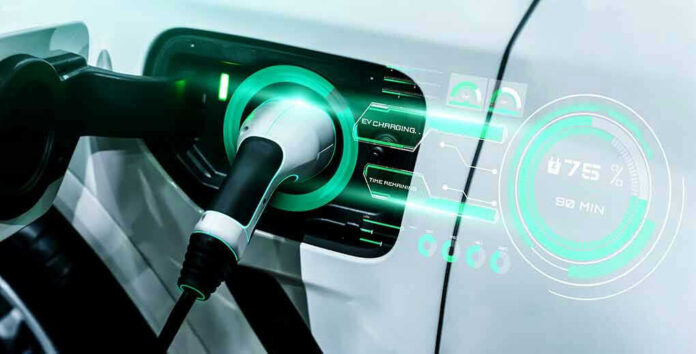
The luxury electric vehicle market faces unprecedented challenges, threatening its once promising trajectory and raising concerns among conservative Americans about the impact on the economy and consumer choice.
Story Snapshot
- Luxury EVs struggle with high costs and infrastructure issues.
- Consumer priorities are shifting away from luxury EVs.
- Market growth forecasts remain optimistic despite risks.
- Government policies and economic pressures compound the challenges.
Luxury EV Market Faces Economic and Infrastructure Hurdles
The luxury electric vehicle (EV) sector, once the darling of high-tech innovation and eco-friendly affluence, is now grappling with significant hurdles that threaten its growth. Despite market projections estimating the sector to reach between USD 205.1 billion and USD 271.68 billion by 2025, rising costs and inadequate infrastructure are slowing consumer adoption. This scenario presents a stark challenge to automakers like Tesla, Mercedes-Benz, and Audi, whose market success depends on a robust infrastructure and consumer willingness to invest in high-priced models.
Rising interest rates and fuel prices are further eroding consumer purchasing power, making luxury EVs a less viable option for many, particularly in developing regions. This economic strain is compounded by shifting consumer priorities, with potential buyers increasingly prioritizing affordability and practicality over luxury. These trends are leading to a slowdown in new luxury EV model rollouts as manufacturers reassess their strategies in light of these challenges.
Regulatory and Economic Pressures Intensify
Government policies initially buoyed the luxury EV market by offering incentives and establishing strict emission standards. However, as economic pressures mount, these policies may require adjustments to continue fostering EV adoption. The lack of comprehensive charging infrastructure remains a critical barrier, particularly in rural and suburban areas. Governments and automakers must collaborate to address these infrastructure gaps to maintain momentum in the EV market.
Despite these challenges, automakers persistently invest in research and development to enhance battery efficiency and integrate autonomous features, hoping to attract consumers. Yet, the short-term outlook appears grim as competition intensifies among automakers for a shrinking pool of affluent buyers, potentially leading to market consolidation if smaller or less innovative brands fail to compete.
Long-Term Implications and Industry Outlook
In the long term, the luxury EV market may experience significant shifts if current challenges are not adequately addressed. Potential market consolidation could reshape the industry landscape, especially if technological advancements in batteries or charging infrastructure fail to materialize swiftly. This scenario underscores the necessity for coordinated policy efforts, technological innovation, and consumer education to sustain the sector’s growth prospects.
The Luxury Electric Vehicle Is in Trouble
Sales of expensive battery-powered cars like the Ford F-150 Lightning have stalled, forcing automakers to slow production and offer more affordable vehicles. https://t.co/tbqKaA1Efx
— Evan Kirstel #B2B #TechFluencer (@EvanKirstel) November 13, 2025
The broader EV market could also be affected by the luxury segment’s struggles, impacting supply chains, technology investment, and consumer confidence. As the luxury EV market navigates these turbulent times, the balance between environmental goals and market realities will be pivotal for policymakers and industry stakeholders.
Sources:
Luxury Electric Vehicle Market Report – Future Market Insights
Luxury Car Market Forecast 2025-2034 – World Luxury Chamber
Luxury Electric Vehicle Market Report – Research Nester
Challenges in the EV Industry – GrowthJockey
New Twists in the Electric Vehicle Transition: A Consumer Perspective – McKinsey
Tesla Sales in 2025: Navigating the Future of Electric Vehicles – Fusion Motors USA