With the world watching, a pivotal meeting in Jordan threatens to challenge the balance of power in the Middle East, potentially undermining the progress made by the Trump administration in safeguarding American interests and promoting global stability.
Story Highlights
- Jordan hosts a crucial meeting with U.S. and Syrian officials on August 12, 2025, focusing on Syria’s reconstruction post-Assad.
- Recent violence in Sweida raises questions about the new Syrian authorities’ ability to ensure security and stability.
- Major reconstruction deals have been signed with Gulf states, aiming to boost Syria’s economy.
- U.S. envoy emphasizes peace, security, and prosperity for all Syrians, yet sectarian tensions persist.
High-Stakes Diplomacy in Amman
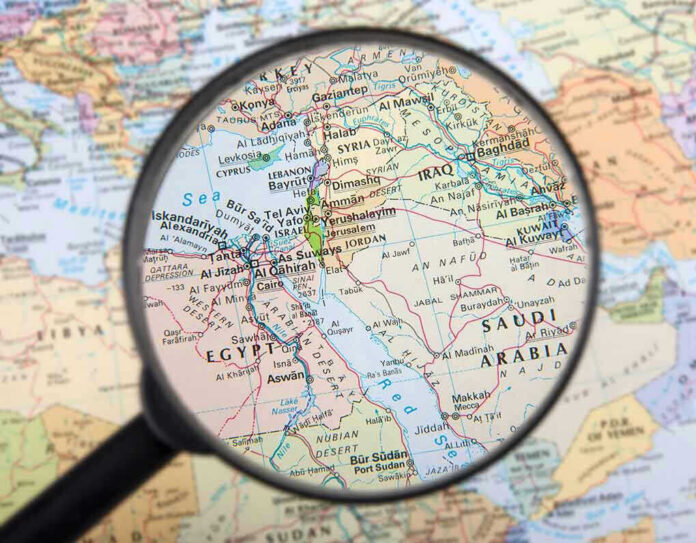
Jordan is set to host a high-level meeting on August 12, 2025, with U.S. and Syrian officials to discuss Syria’s reconstruction following the ouster of Bashar al-Assad. This meeting marks a significant diplomatic engagement aimed at stabilizing the region after a decade of conflict. Syrian Foreign Minister Asaad al-Shibani and U.S. Special Envoy Thomas Barrack will attend, with the agenda focused on rebuilding Syria on the foundations of security and stability.
The importance of this meeting cannot be overstated. It is the first major international effort to discuss Syria’s reconstruction since Assad’s removal, signaling a potential thaw in relations between the U.S. and Syria’s new leadership. However, the recent sectarian violence in Sweida province raises doubts about the new authorities’ capability to maintain peace and protect minority communities.
Reconstruction Deals Amidst Unrest
Jordan has confirmed the meeting, underscoring the urgency of addressing Syria’s reconstruction needs. Recent deals include a $4 billion airport project with Qatar and a $2 billion subway initiative with the UAE, highlighting economic opportunities. Yet, these efforts are clouded by ongoing violence and sectarian tensions that threaten to derail progress. The U.S. envoy has expressed a collective determination for a peaceful and prosperous Syria, but real challenges remain in ensuring inclusive protection for all ethnic and religious groups.
The ceasefire in Sweida remains fragile, with tensions flaring in early August 2025. This instability underscores the complexity of rebuilding a nation fractured by years of war and sectarian conflict. The international community’s role is crucial in ensuring that reconstruction efforts are not only economic but also address underlying social and political issues.
Implications for the Future
The outcome of these talks could set a precedent for international engagement in Syria’s post-conflict era. Success in these discussions could lead to improved coordination in reconstruction and humanitarian aid, potentially stabilizing the region. However, failure to address minority concerns and ensure credible security guarantees may result in continued instability and displacement.
The broader implications for Syria’s neighbors, including Jordan, Israel, Lebanon, and Turkey, are significant. These countries are affected by refugee flows and security issues arising from Syria’s unrest. Economically, successful reconstruction deals could boost Syria’s economy, but they require stable governance to truly benefit the nation.