
President Trump has successfully pushed NATO allies to bolster their defense spending to unprecedented levels, strengthening the alliance against growing threats from Russia and China.
Key Takeaways
- President Trump is driving NATO members to increase defense spending to 5% of GDP, significantly higher than the previous 2% target.
- Spain and Canada have been singled out by Trump for their low defense contributions, creating pressure for compliance.
- NATO is developing plans to deploy 300,000 military personnel within 30 days to strengthen deterrence against Russian aggression.
- The recent NATO summit occurred against the backdrop of Trump’s decisive military action against Iran’s nuclear installations.
- Trump’s firm leadership has revitalized NATO’s core mission of collective defense while ensuring more equitable burden-sharing.
Trump Demands Fair Burden-Sharing in NATO
President Trump has taken a firm stance at the recent NATO summit, demanding that European allies increase their defense spending to meet the challenges posed by Russia and China. The summit focused heavily on defense expenditures, with Trump pushing for a new target of 5% of GDP—a significant increase from the current 2% threshold. This aggressive approach has already yielded results, with multiple NATO members committing to substantial increases in their military budgets after years of underinvestment in defense capabilities.
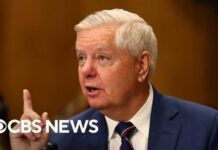
Trump has been particularly critical of nations failing to meet their obligations, specifically targeting Spain and Canada. “NATO is going to have to deal with Spain. Spain’s been a very low payer,” said Donald Trump. His direct approach has sparked crucial conversations about equitable burden-sharing within the alliance, ensuring that the United States is no longer carrying a disproportionate share of NATO’s defense costs. This strategy has effectively put pressure on underperforming allies to step up their commitments.
Strengthening NATO Against Russian and Chinese Threats
Under Trump’s leadership, NATO is implementing ambitious plans to bolster its military readiness against growing threats from Russia. The alliance is working to establish a force of 300,000 military personnel that can be deployed within 30 days, representing a substantial increase in rapid response capabilities. While questions remain about the availability of these troops, the initiative demonstrates NATO’s renewed commitment to deterrence under Trump’s watch. This development comes as Russia continues its aggressive posture in Eastern Europe.
“There’s numerous definitions of Article 5, you know that, right? But I’m committed to being their friends,” said Donald Trump.
The summit also addressed the growing threat from China, which represents a strategic challenge to the transatlantic alliance. Trump has been instrumental in shifting NATO’s focus to include Chinese military expansion and technological dominance as security concerns. This broader strategic vision acknowledges the reality that NATO must adapt to a multipolar world where threats come not just from its eastern flank but also from the Indo-Pacific region. This expanded focus has united allies around a common purpose.
NATO’s Transformation Under Trump’s Leadership
President Trump’s decisive approach has transformed NATO from a Cold War-era alliance into a modern security organization capable of addressing 21st-century threats. His recent decision to strike Iran’s nuclear installations exemplifies his willingness to take bold action when necessary, sending a clear message to adversaries worldwide. This demonstration of American resolve has strengthened NATO’s deterrence posture and reassured allies about the United States’ commitment to global security under Trump’s leadership.
While Ukraine remains a topic of discussion, Trump has maintained a realistic approach to the conflict, focusing on European responsibility and accountability. The alliance continues to coordinate military support for Ukraine, but Trump’s emphasis on NATO’s core mission of defending member states has brought clarity to the organization’s priorities. By reinforcing NATO’s original purpose and demanding fair contributions from all members, Trump has strengthened the alliance and positioned it to better address the complex security challenges of our time.