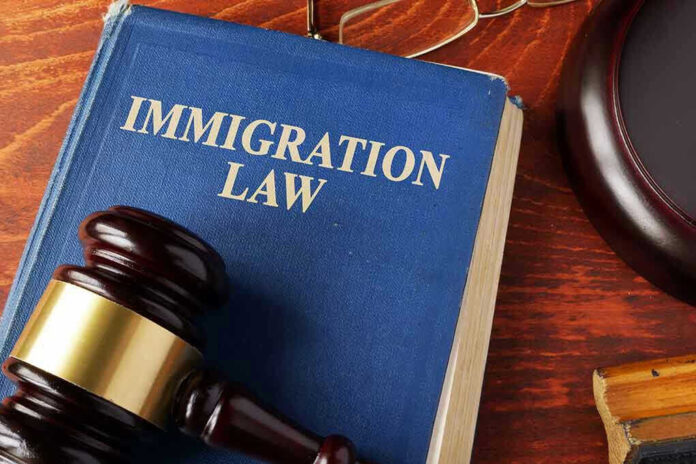
The deployment of 600 military lawyers as temporary immigration judges marks an extraordinary federal intervention, raising sharp questions about due process, judicial independence, and the future of immigration enforcement.
Story Snapshot
- The Department of Defense authorized up to 600 military lawyers to serve as temporary immigration judges, potentially doubling the current bench.
- This move responds to a massive case backlog and a shortage of judges following firings and resignations under the Trump administration.
- Temporary assignments renew every 179 days, signaling a potentially long-term shift in how immigration cases are handled.
- Legal experts and judge unions warn this could undermine judicial independence and due process, while supporters tout it as a necessary fix.
Federal Surge of Military Lawyers into Immigration Courts
The Department of Defense, led by Secretary Pete Hegseth, has authorized the deployment of up to 600 military lawyers to the Department of Justice to serve as temporary immigration judges. This unprecedented action comes as immigration courts face a backlog nearing 3.5 million cases and a shortage of judges due to a wave of firings and resignations. The first group of 150 attorneys—both military and civilian—will be identified and deployed imminently, with each assignment set for up to 179 days and renewable as needed.
Administrative memos dated August 27, 2025, set this plan into motion, highlighting the urgent need to restore capacity after at least 17 immigration judges were fired or resigned in recent months. The White House has framed this move as an emergency measure to expedite deportations and restore order to immigration enforcement after years of systemic strain. The judge union, meanwhile, has reported firings “without cause,” raising concerns about the stability and fairness of the judicial process during this rapid transition.
Judicial Independence and Due Process Concerns
Legal scholars and the International Federation of Professional and Technical Engineers, the union representing immigration judges, have raised red flags about the implications of deploying military lawyers in civilian courts. Critics argue that military attorneys may not possess the specialized expertise in immigration law necessary for complex case adjudication, potentially impacting the quality and fairness of decisions. There are also fears that this shift blurs the vital lines between military and civilian authority, setting a precedent that could erode judicial independence and due process protections in the long run.
Supporters of the policy counter that the extraordinary backlog and urgent need for swift adjudication justify the temporary use of military resources. They emphasize that without intervention, the system would remain gridlocked, undermining both national security and the rule of law. However, the scale and direct judicial role of military lawyers in immigration courts remain unprecedented in recent history, making this a focal point for debate over constitutional norms and the appropriate limits of executive power.
Operational and Political Ramifications
The immediate effect of this deployment is a likely acceleration in the resolution of immigration cases, with the number of sitting judges potentially doubling. This could lead to faster deportations and a reduction in the court backlog, which aligns with the administration’s stated goals of restoring border order and deterring illegal immigration. Economically, the move may yield short-term cost savings by reducing administrative delays, though it could also incur new costs from legal challenges and increased oversight requirements.
The broader consequences, however, extend beyond operational efficiency. This action may intensify political divisions over immigration and raise fundamental questions about the use of military personnel in civilian legal processes. For conservative Americans concerned with constitutional government, judicial fairness, and the separation of powers, the deployment is both a demonstration of federal resolve and a potential warning about the fragility of established legal norms. The ongoing debate will likely shape future approaches to immigration enforcement and the balance between security and liberty.
Full Speed Ahead. Department of Defense Will Appoint 600 Military Lawyers as Temporary Immigration Judges https://t.co/o8AfsRCEN2
— Observing Time 🏴☠️ (@TimeObserving) September 4, 2025
As the first wave of military lawyers prepares for assignment, stakeholders across the legal system, advocacy groups, and affected immigrant communities are watching closely. The success or failure of this intervention will influence not only the fate of millions awaiting adjudication but also the standards by which the nation measures justice and constitutional fidelity in times of crisis.
Sources:
CBS News: Defense Dept. to send up to 600 military attorneys to serve as immigration judges