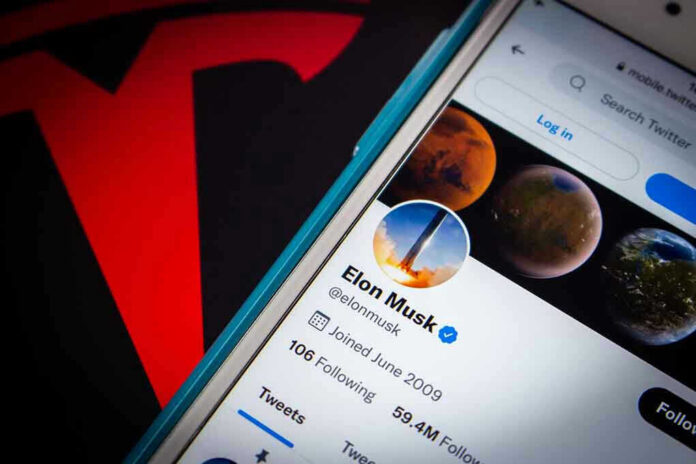
As Elon Musk crosses the trillion-dollar mark on paper, many Americans are asking whether our system now serves a tiny club of “hateful eight” elites better than the people who actually keep the country running.
Story Snapshot
- SpaceX’s record stock listing reportedly made Musk the world’s first trillionaire while most families still battle high prices and debt.
- Critics on the left call it proof of extreme inequality and a “massive wealth transfer” from regular investors to insiders.
- Supporters argue Musk simply earned the payoff by building rockets, jobs, and a new space economy from scratch.
- Both sides see a deeper problem: a government that lets a handful of elites soar while Washington’s promises keep falling back to Earth.
How SpaceX Turned Elon Musk Into A Trillionaire On Paper
Reporters say the stock market debut of Musk’s rocket company SpaceX pushed his net worth past one trillion dollars, making him the first person in history to reach that level.[2] Coverage from major outlets called it the biggest stock offering ever, with SpaceX valued near two trillion dollars on its first trading day.[2] One report said Musk’s wealth jump in a single day was larger than what most Americans could earn in hundreds of lifetimes.[4] Supporters treated it like a moon landing for capitalism, while millions watched from the ground.
Financial breakdowns show that this new wealth mostly exists as shares and stock options, not cash in a bank account.[1] Analysts say Musk owns roughly four out of every ten SpaceX shares, plus billions of dollars in options tied to future performance, including wild goals like building a permanent human colony on Mars.[1] Critics note that these rewards are linked to high-risk targets, yet the rewards themselves are locked in on paper today, even if the grand promises never fully pay off.[1] That gap between dreams and dollars fuels a lot of the anger.
Why Inequality Hawks See A “Hateful Eight” Moment
Left-leaning commentators quickly framed Musk’s rise as another chapter in a larger story about extreme inequality and broken markets.[3] One outlet said the SpaceX listing was “a massive wealth transfer from everyday investors to insiders,” arguing that Musk was asking for a stock price almost one hundred times the company’s yearly sales.[3] Another analysis said his fortune is now larger than the combined wealth of nearly half of the world’s people.[2] For those who already believe the rich and powerful run the show, this was Exhibit A.
Some economists and activists say this kind of stock market win strengthens their push for a wealth tax on billionaires. They argue that when one person can gain hundreds of billions of dollars in a single trading day, the tax code has clearly been tilted to favor people who own assets over people who work for wages. Writers at inequality-focused groups point out that Musk’s wealth surge came from how markets revalued his companies, not from a new product that suddenly changed human life overnight. To them, that looks less like innovation and more like a casino for the already rich.
Why Supporters Say He Earned Every Dollar
On the other side, defenders focus on what SpaceX has actually done in the real world rather than the headlines about trillions.[7] Company leaders have reminded people that SpaceX spent years proving it could launch rockets cheaper than old contractors, fly astronauts to the International Space Station, and build reusable boosters that drop costs for taxpayers and customers.[7] They argue the stock market is finally pricing in that track record and the possible future of space-based internet, deep space travel, and new industries that do not even exist yet.
Supporters also stress that Musk is not the only one who gained from the listing.[5] Reports highlight that thousands of employees, including welders and factory workers, became millionaires because they held company stock and options that suddenly became worth far more.[5] Business backers say this shows capitalism at its best: people who took a risk on a young space firm are sharing in the upside, instead of everything being locked inside government agencies or old defense giants.[5] To them, calls to heavily tax Musk sound like punishment for success.
What Both Sides Miss: A System That Feels Rigged From The Top
Underneath the shouting match about Musk, many Americans on both left and right feel a deeper, shared worry: the system itself seems wired for a tiny group at the top, whether those elites wear tech-visionary hoodies or gray government suits. People see a government that lets a single person collect more wealth than billions of humans, yet cannot fix groceries, housing, and health costs at home. They watch Washington fight more over donors and talking points than over how to make the basics affordable again.
That is where the “hateful eight” idea hits a nerve. The label comes from online reactions that lump Musk in with a handful of other ultra-rich figures and power brokers who appear too big to challenge, too cozy with regulators, and too protected from the pain that normal people feel every month.[8] Whether you blame woke globalists or crony capitalists, it feels like someone at the top is gaming the rules. Musk’s milestone does not create that distrust, but it throws a harsh spotlight on it, and it raises a simple question many Americans now share: if the sky is the limit for the elites, why does the rest of the country feel stuck on the launch pad?
Sources:
[1] Web – The Hateful Eight: Musk’s Money Milestone May Have His ‘Biggest Fans’ …
[2] Web – SpaceX IPO Makes Elon Musk World’s First Trillionaire
[3] Web – SpaceX IPO makes Elon Musk the first-ever trillionaire
[4] Web – SpaceX IPO Could Make Musk a Trillionaire at Your …
[5] YouTube – Elon Musk Becomes The World’s First Trillionaire Ever After …
[7] Web – The initial public offering for SpaceX on June 12 could …
[8] Web – Elon Musk could become the world’s first trillionaire with SpaceX’s …
© patriotspotlight.org 2026. All rights reserved.