
Americans watched the so-called “Signalgate” spectacle unfold as Mike Waltz, President Trump’s hand-picked nominee for U.N. ambassador, endured a grilling in the Senate—raising the big question: how did a top-secret military chat turn into congressional theater, and what does it say about the circus that’s become Washington’s “oversight” process?
At a Glance
- Mike Waltz, Trump’s nominee for U.N. ambassador, faces tough Senate questioning over a leaked Signal chat about military operations in Yemen.
- Senate Democrats criticize Waltz for mishandling sensitive information and continuing to receive a White House salary after his removal as national security adviser.
- The Pentagon is investigating the incident, raising concerns about secure communications and accountability inside the administration.
- Waltz’s confirmation hangs in the balance as the U.S. remains without a top diplomat at the U.N. during global crises.
Senate Grilling Puts “Signalgate” Center Stage
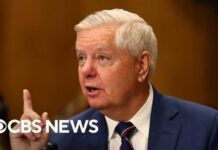
Mike Waltz’s Senate confirmation hearing quickly devolved into a partisan spectacle, with Democrats hammering away at the so-called “Signalgate” incident. The controversy began in March 2025, when Waltz, then Trump’s national security adviser, participated in a Signal group chat with other top officials about a planned U.S. military strike on Houthi targets in Yemen. The fireworks started when Jeffrey Goldberg, editor-in-chief of The Atlantic, was accidentally added to the chat—exposing details that Democrats claim never should have been there in the first place. Defense Secretary Pete Hegseth, Vice President JD Vance, and Secretary of State Marco Rubio were all part of the conversation, raising the stakes for the White House and fueling fresh calls for accountability.
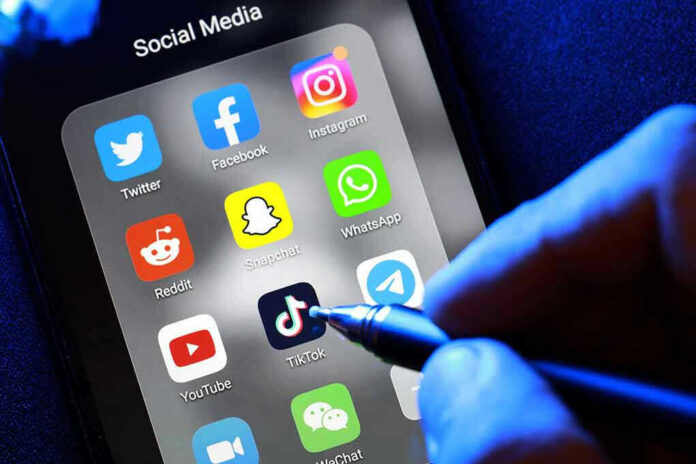
Democratic senators seized on the incident, accusing Waltz of mishandling sensitive information and using an encrypted app, Signal, instead of secure government channels. Waltz insisted that no classified details were shared, pushing back against claims that he endangered national security. The hearing quickly turned into a referendum on the administration’s competence, with Democrats determined to score political points. Meanwhile, Waltz tried to steady his reputation, arguing that he followed guidance from the Cybersecurity and Infrastructure Security Agency, which recommends apps like Signal for certain communications—but he admitted it isn’t cleared for classified information.
Employment Status and Accountability: More Bureaucratic Theater
The “Signalgate” drama wasn’t the only controversy on display. Senators grilled Waltz about his White House paycheck, which continued to roll in for months after his removal as national security adviser. Senator Jacky Rosen highlighted the lack of transparency, pressing Waltz on why he continued drawing a government salary while supposedly “transitioning” to an advisory role. Waltz denied that he was fired, dismissing the reports as “fake news” and insisting he stayed on in an unofficial capacity. The public, already sour on government waste and insider privilege, found little comfort in the bureaucratic word games. Senators pointed to the lack of clarity around his status, warning that such opacity erodes public trust and accountability.
Pentagon officials, meanwhile, confirmed that an internal investigation is underway to determine exactly what was shared in the infamous Signal chat. Security experts and lawmakers alike questioned the wisdom of using off-the-shelf encrypted apps for sensitive military discussions, comparing the incident to previous scandals over secure communications in government. Senator Tim Kaine underscored that Signal is not authorized for classified material, a fact that should be obvious to anyone tasked with safeguarding national secrets. As the probe drags on, Waltz’s confirmation is left hanging in the balance, with the outcome far from certain.
U.N. Vacancy Leaves U.S. in Limbo
While Washington obsesses over bureaucratic infighting, the U.N. ambassador post has now sat vacant for more than six months. At a time when the world is watching America’s every move—thanks to ongoing tensions with Russia, China, and Iran—the absence of a top diplomat at the United Nations is more than just embarrassing. It’s a clear sign that political gamesmanship is trumping the nation’s interests. Foreign adversaries and allies alike see the spectacle as evidence of dysfunction, making it harder to project American leadership on the global stage. The longer the vacancy drags on, the greater the risk that critical decisions will be made without a strong U.S. voice in the room.
For Waltz, the stakes couldn’t be higher. His reputation, career, and the administration’s credibility are all on the line. For Americans who expect government officials to be accountable, transparent, and focused on the country’s interests—not their own political survival—“Signalgate” is just another example of why trust in Washington remains at rock bottom. The Senate’s final decision will speak volumes about whether common sense, discipline, and real-world security ever take priority over political theater.
Sources:
Senator Jacky Rosen’s official website