
Iran demands U.S. accountability for recent strikes on its nuclear sites, setting a contentious stage for future negotiations.
Key Points
- Iran requires U.S. accountability for attacks as a condition for future talks.
- The U.S. and Israel conducted strikes on Iranian nuclear facilities in June 2025.
- Iran has increased its nuclear activities following the attacks.
- The diplomatic landscape is more complex amid heightened regional tensions.
Iranian Demands for Accountability
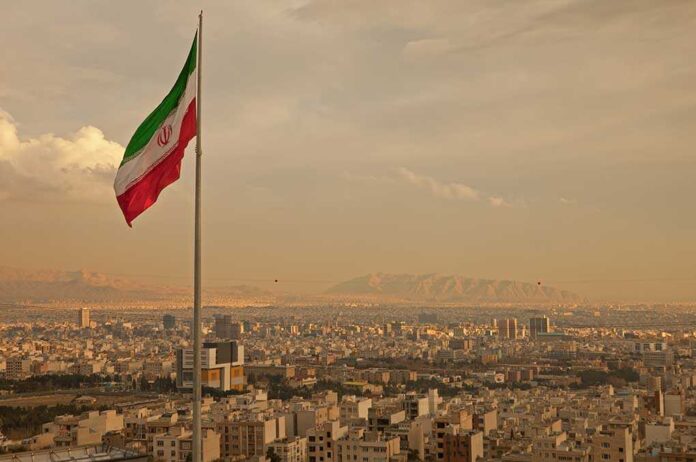
Iran has declared that accountability from the United States for recent attacks on its nuclear sites is a non-negotiable precondition for any future talks. This stance follows a U.S. military strike on June 22, 2025, that targeted key Iranian nuclear facilities, aligning the United States with Israel in a military campaign against Iran. The demand for accountability signals a significant shift in Iran’s diplomatic approach, potentially complicating any renewal of negotiations.
This insistence on accountability is tied to Iran’s perception of sovereignty violations. Iranian officials have publicly stated that U.S. actions represent a clear breach of international law, further straining the already tense relations between the two countries. The strikes, which Iran claims caused minimal damage, have nonetheless disrupted ongoing discussions about the future of Iran’s nuclear program.
Background of U.S.-Iran Tensions
U.S.-Iran tensions trace back to the 1979 Iranian Revolution, leading to decades of sanctions and diplomatic strife. The Joint Comprehensive Plan of Action (JCPOA) of 2015 initially limited Iran’s nuclear program, but the U.S. withdrawal in 2018 under President Trump reintroduced severe sanctions. The recent strikes by the U.S. and Israel are the latest in a series of actions aimed at curbing Iran’s nuclear ambitions, further derailing diplomatic efforts.
Amid these developments, Iran has reportedly accelerated its nuclear activities. This acceleration could be a strategic move to strengthen its bargaining position or a response to perceived threats to its sovereignty. The breakdown of negotiations and the risk of military escalation remain significant concerns for regional stability.
Implications and Regional Impact
The immediate impact of the strikes includes the disruption of Iran’s nuclear program and the stalling of diplomatic channels. The situation is highly volatile, with heightened military tensions in the region posing a risk of further escalation. The long-term implications could include a regional arms race and the erosion of international nonproliferation norms.
The strikes have also intensified economic hardships for the Iranian population due to escalating sanctions. Social unrest within Iran may increase as economic conditions worsen, further destabilizing the region. The geopolitical landscape remains fraught with challenges, as key stakeholders struggle to navigate these complex dynamics.
Internationally, the strikes have disrupted global energy markets, with potential oil price spikes affecting economies worldwide. The U.S. and Israel justify their actions as essential for security, while Iran and some international observers view them as violations of sovereignty. This divergence in perspectives complicates the path to a diplomatic resolution.
Sources:
Wikipedia – United States Sanctions Against Iran
Atlantic Council – A Brief History of Sanctions on Iran
Iran Primer – Timeline of US Sanctions
BASIC – US and Israeli Strikes on Iran: A Timeline of Iran’s Nuclear Programme
Council on Foreign Relations – US Relations with Iran Timeline