

Iranian protests escalate, threatening to destabilize the regime amidst economic collapse and external pressures.
Story Highlights
- Mass protests erupt across Iran, driven by severe economic hardship and political discontent.
- Merchants and students spearhead the movement, demanding regime change.
- Iranian government faces legitimacy crisis and international threats.
- Potential military interventions discussed as tensions rise.
Economic Turmoil Fuels Unrest
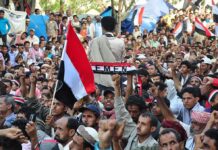
Protests in Iran have intensified since late December 2025, driven by skyrocketing inflation, rising food prices, and the Iranian rial’s severe depreciation. These economic grievances have evolved into broader anti-government demands, calling for an end to the Islamic Republic’s rule. The demonstrations started with shopkeepers and bazaar merchants in Tehran and have since spread to students and other cities, marking the largest unrest since the Mahsa Amini protests in 2022–2023.
On December 28, shopkeepers in Tehran’s Alaeddin Shopping Centre and Charsou Mall initiated strikes, closing their shops as protests formed around commercial centers. The central issue was the dollar exchange rate surge and the looming threat of business bankruptcies. By December 29, the protests had expanded to include Tehran’s Grand Bazaar, Qeshm, Zanjan, and Hamadan, with chants of “Death to the Dictator” echoing through the streets.
Government Response and Escalation
In response to the expanding unrest, the Iranian government has taken drastic measures to suppress the protests. Security forces have been deployed heavily across cities like Tehran, Mashhad, and Qom, utilizing tear gas and live ammunition against demonstrators. On December 30, strikes continued in Tehran and Isfahan, with security forces firing on protesters in Hamadan.
President Masud Pezeshkian has called for solidarity and dialogue, yet the government’s actions suggest a reliance on force to maintain control. The Central Bank’s governor, Mohammad Reza Farzin, resigned amidst the chaos, replaced by Abdolnasser Hemmati, in a bid to stabilize the collapsing economy.
International Implications and Future Prospects
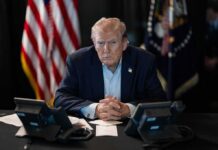
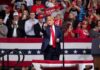
The unrest in Iran has caught international attention, with the US and Israel discussing potential military interventions should the situation escalate further. Former President Trump has publicly supported Israeli strikes if Iran persists with its missile and nuclear programs, adding to the external pressure on the Iranian regime.
With protests spreading to 17 out of 31 provinces, the situation remains volatile. The Iranian government’s legitimacy is increasingly questioned, and the potential for regime change looms large. As the protests continue, the risk of wider civil unrest grows, exacerbated by economic despair and international tensions.
Sources:
Protests Intensify amid Mounting Pressures
Iran Update: December 31, 2025