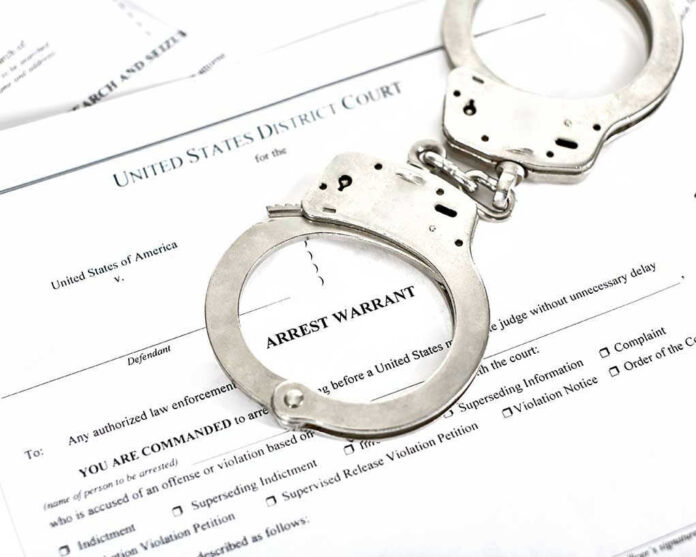
Hong Kong’s attempt to reach across the ocean and threaten American soil with Beijing’s iron-fisted “national security” laws is a new low that should have every freedom-loving American demanding answers.
At a Glance
- Hong Kong authorities, under Beijing’s orders, have issued arrest warrants for overseas activists, including those in the U.S.
- U.S. officials, including Senator Marco Rubio, have denounced the Hong Kong government’s efforts to enforce Chinese law on American soil.
- The National Security Law’s extraterritorial reach threatens free speech and civil liberties of Americans and Hong Kongers abroad.
- This aggressive overreach has triggered new diplomatic tensions and drawn bipartisan condemnation.
Hong Kong’s Lawless Overreach: Beijing’s Long Arm Tries to Police U.S. Free Speech
Hong Kong’s authorities, taking cues straight from the Chinese Communist Party playbook, have once again made it clear: dissent will not be tolerated—anywhere. By issuing arrest warrants for democracy activists living overseas, including right here in the United States, they are not only trampling on the basic freedoms Hong Kong once stood for, but are now brazenly threatening Americans’ right to speak out. The United States government, under President Trump’s renewed leadership, has wasted no time condemning these desperate attempts to export authoritarianism. Senator Marco Rubio, never one to mince words, declared outright: “We will not tolerate the Hong Kong government’s attempts to apply its national security laws to silence or intimidate … anyone on U.S. soil.” Americans are finally getting the kind of backbone from Washington that was sorely missing just a year ago.
🚨 𝗥𝘂𝗯𝗶𝗼 𝗖𝗿𝗶𝘁𝗶𝗰𝗶𝘇𝗲𝘀 𝗛𝗼𝗻𝗴 𝗞𝗼𝗻𝗴 𝗔𝘂𝘁𝗵𝗼𝗿𝗶𝘁𝗶𝗲𝘀 𝗔𝗳𝘁𝗲𝗿 𝗪𝗮𝗿𝗿𝗮𝗻𝘁𝘀 𝗜𝘀𝘀𝘂𝗲𝗱 𝗳𝗼𝗿 𝗢𝘃𝗲𝗿𝘀𝗲𝗮𝘀 𝗔𝗰𝘁𝗶𝘃𝗶𝘀𝘁𝘀
Read more 👇https://t.co/cceeHG9eWM
— The Epoch Times (@EpochTimes) July 28, 2025
For years, Hong Kong was the jewel of the East—a beacon of liberty and prosperity, protected by the “one country, two systems” framework. But that all changed when Beijing imposed its notorious National Security Law in 2020, using the pretext of “stability” to crack down on pro-democracy protests and muzzle free speech. The law’s language is so broad it would make even Orwell blush, criminalizing “subversion” and “collusion with foreign forces” anywhere in the world. This is not just an attack on Hong Kongers, but on every single person who values the right to criticize tyranny—including Americans on American soil.
Exporting Tyranny: How Beijing’s Law Threatens U.S. Sovereignty and American Values
The National Security Law’s reach goes far beyond Hong Kong’s harbor. It claims jurisdiction over so-called “crimes” committed by anyone, anywhere—not just Hong Kong residents but anyone Beijing deems a threat. That means you, your neighbor, or your college student grandkid could be targeted for supporting Hong Kong’s democracy movement, even from the comfort of your home in Florida or Texas. This is not paranoia; it’s spelled out in the law itself, and Hong Kong’s authorities have wasted no time proving they mean business by issuing arrest warrants for activists who dared speak out from abroad.
What’s even more outrageous is that Beijing and its Hong Kong puppets are now trying to intimidate Americans and stifle free speech in our own country. The U.S. government has firmly rejected the legitimacy of these arrest warrants, vowing to protect anyone on American soil from foreign intimidation. The Trump administration has restored the rule of law and sent a clear message: Communist China’s long arm stops at our border. Under President Biden, we saw nothing but weakness—handwringing and empty words. But now, the gloves are off, and Washington is using every tool at its disposal, from sanctions to public denunciations, to defend our rights and those of our allies.
The Chilling Effect: Fear, Censorship, and the Erosion of Freedom—Here and Abroad
Make no mistake—Hong Kong’s National Security Law is not just a local issue. Its chilling effect is already being felt across the world. Activists who found refuge in America are now looking over their shoulders, worried that their families back home could face retaliation. American universities and NGOs with ties to Hong Kong are grappling with new legal risks, and the message is clear: criticize Beijing, and you could end up on a wanted list. This is a direct attack on free speech, academic freedom, and the very values that built this country.
Meanwhile, Hong Kong’s once-vibrant civil society has been gutted, and its status as a global financial hub is slipping away. The NSL has fundamentally altered the city’s political landscape, and the world is watching as Beijing sets a dangerous precedent for transnational repression. If we allow this kind of authoritarian overreach to go unchallenged, what’s to stop other regimes from following suit? This is why the U.S. government’s strong stance matters not just for Hong Kong, but for every nation that values freedom over fear.
Washington Strikes Back: Sanctions, Solidarity, and the Fight for Liberty
The United States has responded with decisive action. Under President Trump, Washington has sanctioned Hong Kong and Chinese officials responsible for undermining the city’s autonomy and human rights. Congress has ended Hong Kong’s special trade status—an unmistakable signal that America will not reward tyranny. Lawmakers on both sides of the aisle, led by voices like Marco Rubio, have made it clear that the U.S. stands with the people of Hong Kong against Beijing’s overreach. Internationally, our allies in the UK, EU, Canada, and Australia have joined the chorus of condemnation, refusing to legitimize China’s transnational repression.
Legal scholars and human rights organizations are unanimous: the National Security Law’s extraterritorial provisions violate international norms and threaten the rule of law worldwide. The U.S. and its partners must remain vigilant, not just for the sake of Hong Kong, but to protect freedom itself. In the face of communist intimidation, the only answer is courage, clarity, and an unyielding defense of our Constitution and values. As Americans, we’ll tolerate a lot—but we will never tolerate foreign dictatorships dictating what we can say or do on our own soil.
Sources:
Chinese Ministry of Foreign Affairs
Wikipedia: 2020 Hong Kong national security law
U.S. Department of the Treasury