An Iranian drone closed in on a U.S. aircraft carrier in international waters—and an F-35C ended the threat before it could become another Middle East disaster.
Quick Take
- A U.S. Navy F-35C from USS Abraham Lincoln shot down an Iranian Shahed-139 drone on Feb. 3, 2026, after it maneuvered toward the carrier in the Arabian Sea.
- U.S. Central Command said the engagement was self-defense after de-escalatory steps failed; no U.S. damage or casualties were reported.
- The incident unfolded the same day Iranian IRGC forces harassed a U.S.-flagged tanker in the Strait of Hormuz before it was escorted to safety.
- Key uncertainties remain limited, including whether the drone was armed and what exact weapon the F-35C used.
What Happened Near USS Abraham Lincoln
U.S. Central Command reported that on Feb. 3, an Iranian Shahed-139 drone approached the USS Abraham Lincoln while the carrier operated in the northern Arabian Sea, roughly 500 miles off Iran’s southern coast. CENTCOM said U.S. forces attempted de-escalatory measures, but the drone continued what the command described as unnecessary, aggressive maneuvering. A carrier-based F-35C Joint Strike Fighter ultimately shot the drone down to protect the ship and its personnel.
Reporting from multiple outlets aligned on the basic facts: the shootdown occurred in international waters; the aircraft involved was an F-35C assigned to the Lincoln; and the U.S. framed the action as a defensive response rather than a strike mission. Iranian media, cited in U.S. reporting, claimed the drone was conducting surveillance and was unarmed. Even if that claim were true, a surveillance platform closing distance on a carrier still creates real risk in a crowded theater.
The Strait of Hormuz Pressure Point: Tankers, Escorts, and Escalation Risk
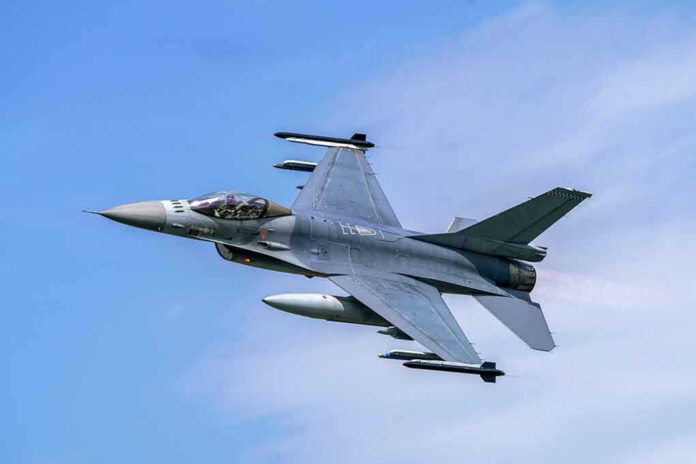
The same day as the drone incident, Iranian Revolutionary Guard Corps small boats and an Iranian drone were reported to have harassed the U.S.-flagged tanker M/V Stena Imperative in the Strait of Hormuz, a chokepoint central to global energy shipping. U.S. Navy destroyer USS McFaul escorted the vessel, supported by U.S. Air Force F-16s, and the tanker ultimately transited safely. The sequence matters because it shows pressure across multiple targets, not an isolated encounter.
Hormuz is where miscalculation becomes policy in a hurry. When Iran presses commercial shipping and tests U.S. naval posture on the same day, the operational picture forces commanders to assume the worst until intent is clarified—especially when drones can carry sensors, electronic payloads, or weapons. CENTCOM’s public messaging emphasized deterrence and warned that continued harassment increases the chances of an accident or misread signal that could spiral into a broader confrontation.
Why This Shootdown Matters Under a New U.S. Posture
The Lincoln carrier strike group’s presence in the region reflects a broader U.S. military buildup that expanded as Iran faced internal unrest and as tensions across the Middle East remained high. Reporting indicated that additional U.S. air assets, including F-15E squadrons, were part of the posture. In that context, the shootdown looks less like a one-off headline and more like a practical demonstration of red lines: U.S. forces will protect ships, crews, and lawful navigation in international waters.
For Americans weary of years of fuzzy deterrence and rhetorical “strategic patience,” the central point is straightforward: a U.S. aircraft carrier is sovereign U.S. territory in effect, and commanders have a duty to treat close approaches by hostile-state drones as potential threats. This isn’t about wanting war; it’s about preventing the kind of slow-walk appeasement that invites more probing. The public record here supports a limited, defensive action tied to immediate protection of forces.
What We Know—and What We Still Don’t
Two details remain meaningfully unclear based on the available reporting. First, whether the Shahed-139 was armed: U.S. reporting said it was “likely unarmed,” and Iranian media described it as a surveillance drone, but those claims are difficult to independently verify in real time. Second, the exact method of intercept is not consistently specified; analysis noted the F-35C has multiple options suitable for drones, but official statements did not settle on one.
What is clear is the broader trend: drones are now a routine tool for harassment, intelligence collection, and signaling—used directly by Iran and through proxies. Prior incidents involving Iran-backed actors, including the Houthis, show that small, inexpensive systems can create outsized danger for ships and aircraft when used aggressively. In that environment, disciplined rules of engagement and credible readiness reduce the odds that Americans are forced to respond after a first strike succeeds.
U.S. F-35C Shoots Down Iranian Drone Heading for USS Lincoln
An Iranian Shahed-139 drone was shot down by a U.S. F-35C as it approached the USS Abraham Lincoln in the Arabian Sea.
Story: https://t.co/HKwKQxc5di
— The Aviationist (@TheAviationist) February 3, 2026
With possible U.S.-Iran talks reported in Turkey later that week, the timing also underscores a reality often ignored in elite commentary: diplomacy works best when backed by strength and clarity. The public statements from CENTCOM framed the shootdown as defensive and professional, and the absence of U.S. casualties or damage suggests the engagement achieved its immediate purpose. Limited public information remains, but the key lesson is visible—harassment in international waters now has immediate consequences.
Sources:
US fighter jet shoots Iranian drone approaching US warship, officials say
F-35 From USS Abraham Lincoln Shoots Down Iranian Drone
American F-35 Shoots Down Iranian Drone; F-16s Protect Tanker
US military shoots down Iranian drone approaching USS Abraham Lincoln in Arabian Sea, official says