

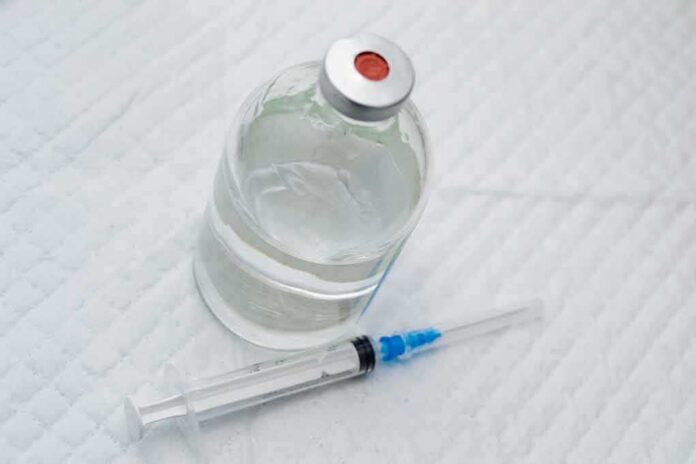
Cosmetic clinics are injecting processed donor fat into hips, breasts, and buttocks as demand rises from rapid weight-loss patients who lack their own fat to transfer.
Story Highlights
- AlloClae entered the United States market in 2024 for body contouring procedures.
- Patients using weight-loss drugs often lack donor fat, boosting interest in cadaver-fat fillers.
- The material is processed, decellularized donor fat meant to act as a tissue scaffold.
- Prices can run from tens of thousands of dollars, limiting broad access.
A New Filler Targets Post-Weight-Loss Volume Loss
Clinics began offering AlloClae in 2024 for hip-dip filling, breast enhancement, and buttock shaping, after a limited rollout to select surgeons. Reports say the product is used as an option when a patient lacks enough body fat for a standard transfer. This problem has grown with popular weight-loss drugs that leave some patients leaner. Providers position the filler as a practical fix for contour loss and as part of a wider group of fat-based products.
Published coverage links the trend to the rise of glucagon-like peptide-1 weight-loss drugs. These drugs help people lose fat fast, but also reduce the supply of usable donor fat for surgery. That gap has spurred interest in donor-fat fillers that can be injected like other volumizers. Early demand is strongest among patients seeking body contour changes after slimming down, and among surgeons who want an off-the-shelf option that avoids liposuction harvesting.
What Donor-Fat Fillers Are — And Are Not
Reports describe AlloClae as donor adipose tissue that is screened and processed into a decellularized scaffold, then sterilized for injection. The goal is to provide structure that the body can integrate, rather than to transfer living fat cells. Advocates and industry outlets say the product follows United States Food and Drug Administration tissue rules, which differ from drug or device approvals. Coverage warns that this is not the same as full Food and Drug Administration approval for a cosmetic indication.
Trade and consumer reporting present AlloClae alongside products like Renuva, which also aims to restore volume using adipose-derived material. The shared pitch is simple: replace missing fat with a biologic matrix that looks and feels natural. Surgeons who support the method frame it as helpful when the patient is very lean. They point to familiar uses, such as filling hip dips or rebuilding soft-tissue contours. Supporters say ultrasound guidance and careful technique are important for safety during injections.
Evidence, Safety, and Regulation Remain Works in Progress
Available reporting does not include primary clinical trial results showing long-term outcomes for volume retention, complications, or need for touch-ups. Outlets describe ongoing data collection at one, three, six, and twelve months, which means mature results are still pending. Coverage also notes that embolism is a known concern in fat procedures and that technique aims to lower risk. These gaps place the product in a familiar cosmetic cycle where adoption can outpace evidence.
People are getting fat transfers from cadavers and calling it "zombie filler." Doctors say the trend is fueled by the rise of GLP-1s. https://t.co/gb457IaoWN
— USA TODAY (@USATODAY) August 14, 2026
Costs further narrow access. Reports cite prices from around ten thousand dollars to far higher totals depending on volume and body area, which puts the option out of reach for many patients. That reality feeds a broader public concern: medical innovations often launch for the well-off while average families face rising health costs and stagnant wages. Readers across the political spectrum see a system that rewards hype first and delivers clear proof later, if at all.
Why This Resonates Beyond the Beauty World
The “zombie filler” label grabs attention, but the deeper story is familiar. Industries move fast to meet demand, while rules, data, and ethics move slower. Supporters highlight patient choice and new tools. Critics worry about rushed rollouts, mixed messages about Food and Drug Administration status, and the use of donor tissue for non-medical needs. Both sides reflect a wider American frustration: powerful players set the terms, and regular people must sort the risks on their own.
Sources:
feedpress.me, cnn.com, plasticsurgery.org, theguardian.com, edge.airmedia.org
© patriotspotlight.org 2026. All rights reserved.