

Late-counted ballots pushed Nithya Raman past Spencer Pratt, setting up a Karen Bass–Raman runoff and raising new questions about where Pratt’s voters will land next.
Story Snapshot
- High shares of undecided voters and shifting polls kept the Los Angeles mayoral race fluid through Election Day.
- Updates from later-arriving mail ballots moved Nithya Raman ahead of Spencer Pratt after he led early.
- Final primary results placed Karen Bass first, Raman second, and Pratt third, eliminating Pratt from the runoff.
- Analysts say the late ballot trend favors Bass and Raman, not a simple transfer from Pratt’s base.
What Changed As Ballots Were Counted
Los Angeles election updates showed a clear shift after Election Day. Early returns had Spencer Pratt second behind Mayor Karen Bass. Later batches of mail ballots pushed City Council member Nithya Raman past Pratt by the weekend, as updates steadily narrowed and then erased his lead. The New York Times precinct analysis found later-counted ballots were more favorable to the city’s Democratic left, a pattern that aligned with Raman’s surge in the count. The Associated Press likewise tracked Raman gaining across each release.
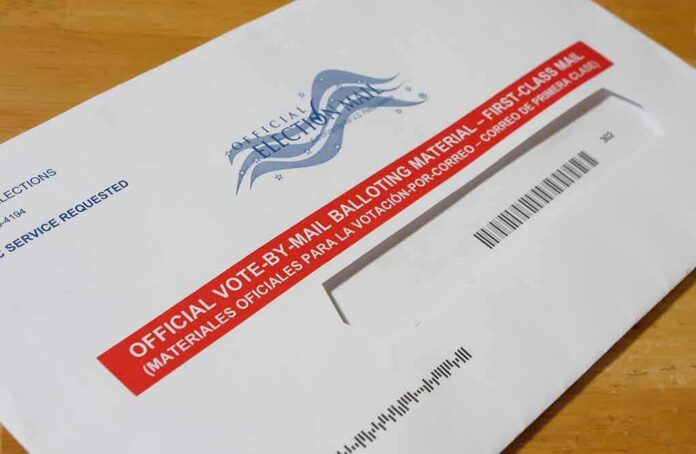
California accepts mail ballots postmarked by Election Day, which often arrive and are processed days later. That timeline can stretch counts and change rankings without implying wrongdoing, as late-return voters can differ from early voters in age, ideology, and turnout habits. In this case, that mix benefited Bass and Raman during the counting window. The weekend flip placed Raman in the November runoff against Bass, closing the door on Pratt’s bid despite his earlier position.
Where Public Opinion Stood Before Votes Landed
Polling in March and May showed an unsettled electorate, with large shares of voters undecided and rapid movement between surveys. A USA Today write-up of an Emerson College poll found more than half of likely voters undecided in March, signaling volatility well into the final weeks. A UCLA Luskin School survey later estimated four in ten still had not chosen, reinforcing that many decisions would come late, or with turnout shocks, rather than through neat blocks moving from one candidate to another.
Multiple polls clustered Bass, Raman, and Pratt within single digits in the final stretch, framing a three-way squeeze for two runoff spots. ABC7 highlighted a late poll showing Bass at 26 percent and Pratt at 22 percent, with Raman close, while coverage of the Berkeley–Los Angeles Times poll described a near tie at the top. That picture, paired with high undecided rates, set the stage for last-minute choices and ballot-timing effects to shape the count.
Final Tally And What It Means For November
Certified and major-outlet tallies show Bass first, Raman second, and Pratt third in the primary. NBC News and a widely cited summary list Bass near 34 percent, Raman near 29 percent, and Pratt near 26 percent in the final count, eliminating Pratt from the November runoff. The result ends an unusual campaign in which a reality television figure briefly threatened to reshape the race, but ultimately could not overcome the late-count surge favoring the city’s progressive lane.
Commentary and precinct analyses caution against a simple story that “Pratt’s voters moved to Bass.” The evidence points to two overlapping forces instead: a large undecided pool choosing late, and late-returned ballots that leaned toward Bass and Raman. Analysts also note that Los Angeles voters, as a whole, have trended left in recent cycles, which can magnify late progressive gains when mail ballots arrive and get tallied after Election Day.
Why Voters Across The Spectrum Care
Angelenos on the right and left share doubts that City Hall can fix core problems like homelessness, housing costs, crime, and street disorder. The primary’s churn reflects that frustration. Polls repeatedly showed voters holding back judgment until the end, suggesting many people did not see clear answers from any candidate earlier in the season. That hesitation speaks to a larger national mood: people believe leaders talk a lot but struggle to deliver on basic quality-of-life issues.
The runoff will test whether Bass can calm that doubt with measurable progress or whether Raman can channel impatience into a mandate for sharper change. Pratt’s elimination raises a practical question, not a guaranteed pivot: which parts of his coalition show up in November, and what issues—encampment policy, public safety, city spending, or permitting for new housing—matter most in their choice. Turnout, not only persuasion, may decide the winner.
What To Watch Next
Campaigns will chase Pratt’s backers, but the bigger target may be inconsistent voters who sat out the primary. Expect both sides to lean into ground game and clear promises that tie policy to visible results by specific dates. Watch for contrasts on encampment clearance timelines, housing approvals, and budget trade-offs. In a city tired of speeches, concrete metrics may carry more weight than slogans. The side that turns late interest into actual ballots will likely take City Hall.
Sources:
nypost.com, jcipr.com, latimes.com, en.wikipedia.org, calmatters.org, pbs.org, abc7.com, results.lavote.gov
© patriotspotlight.org 2026. All rights reserved.