A Wisconsin Democrat says he may vote Republican for governor after highlighting Francesca Hong’s past anti-police rhetoric and hard-left platform.
Story Snapshot
- Francesca Hong’s platform centers universal childcare, higher taxes on the wealthy, and a public bank.
- Her site vows to protect residents “of all documentation status” from “secret police,” fueling debate on immigration and enforcement.
- News reports document that Hong supported reducing police funding and even abolishing law enforcement in prior years.
- Her campaign says her values are unchanged, though her language has shifted on policing and prisons.
What Sparked The Backlash
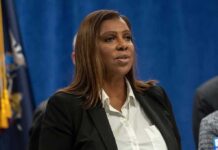
News coverage shows that Francesca Hong, a Democratic state representative running for Wisconsin governor, built her campaign around universal childcare, higher taxes on top earners, and creating a public bank. Her website frames these as tools to lower costs and shift burdens to the “super-rich” and large corporations. Supporters say this will fund schools and health care. Critics say it expands government power and costs. That split is now defining how voters read her past posts and rallies.
Reporting also resurfaced Hong’s hard-edged lines on immigration enforcement. Her campaign materials promise to use the executive branch to protect Wisconsinites “of all documentation status” from “secret police,” language that alarms voters who favor strict laws and clear borders. Backers see a pledge to stop abuses. Skeptics see a governor weakening cooperation with federal officers. That clash is potent in a state where safety, order, and fairness are front of mind.
The Record On Police And Prisons
The New York Times reported that during her five years in office, Hong expressed support for reducing police funding and even abolishing law enforcement. Fox News highlighted a comment from her campaign communications director saying Hong had spoken about police and prison abolition as an “aspirational goal,” and that her values had not changed, though her language had. Her current policy pages focus on non-prison crime prevention and gun safety measures, not defunding police departments. That shift leaves both sides suspicious.
Supporters argue she matured from activist rhetoric into policy detail. Opponents argue the core belief remains, masked by softer words. This is a common modern campaign fight: opponents try to convert years of online posts into a broader “too radical to govern” frame before voters see the full platform. The press often amplifies the question of electability, even when there is no fresh polling proving a backlash either way. That is happening here in real time.
What Her Platform Actually Proposes
Hong’s platform promises universal childcare, expanded public health coverage options, and more state support for schools, with the bill covered by higher taxes on high-income residents and corporations. Her campaign also backs a state public bank to steer credit toward local needs. Fans say these plans help families crushed by costs and show independence from powerful interests. Critics worry about tax hikes, bigger bureaucracies, and the risk that elites game new systems anyway, leaving working people with the tab.
Coverage notes she is the only Democrat in the field backing a pause on certain large data center projects, tying that to concerns about energy costs and public subsidies. That stance taps a bipartisan worry: deals that promise jobs but raise utility bills or hand out breaks to favored firms. For many readers on the left and right, this speaks to a deeper fear that insiders write the rules, and regular people pay for it. That is why this race has national attention.
What We Know And What We Do Not
Here is what is firm: Hong’s current site and interviews present a progressive agenda on childcare, schools, and taxes. Past reporting documents her support for cutting police funding and even abolition, while her team now frames that as an aspiration and stresses community safety programs instead. What is less clear is the size of the voter penalty for those past posts. The available coverage does not provide detailed polling of swing voters reacting to those lines.
For Wisconsin voters tired of rising bills and weak services, the pitch to “tax the super-rich” and build public options has appeal. For voters worried about crime, borders, and respect for law, the earlier abolition talk and “secret police” line may be disqualifying. Both groups share a deeper frustration: they feel powerful interests and government insiders make promises, dodge hard trade-offs, and leave families stuck. This campaign is a test of which fear moves more ballots.
Sources:
twitchy.com, francescahong.com, ontheissues.org, nytimes.com, spectrumnews1.com, facebook.com
© patriotspotlight.org 2026. All rights reserved.