
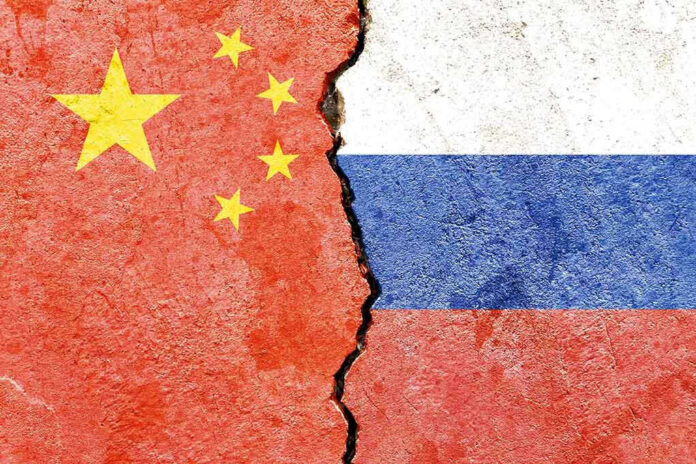
China and Russia are flexing their military muscles, not just separately, but together – hand in hand.
At a Glance
- China and Russia have significantly increased joint military exercises in recent years.
- The quasi-alliance between these nations is maturing, posing a challenge to US dominance.
- These drills are a direct response to external pressures, including actions by the US and NATO.
- Such military cooperation could lead to increased regional tensions and potential conflicts.
China and Russia: A Growing Military Partnership
China and Russia have accelerated their military cooperation through joint exercises, reflecting a maturing quasi-alliance. Since 2019, these exercises have more than doubled in frequency, primarily involving Russia, Belarus, China, and Vietnam. This trend marks a shift from sporadic cooperation to a structured pattern of military collaboration. The joint drills are a strategic response to regional security dynamics and external pressures, particularly from the US and NATO.
China and Russia Challenge US Military Supremacy With Major Joint Exercise https://t.co/AmAUObO2op
— Tuck | Political Roastmaster (@realTuckFrumper) July 31, 2025
The timeline of events highlights the growing military alliance. From 2019 to 2025, there has been a marked increase in joint exercises. In 2022, Russia used Belarusian territory for its invasion of Ukraine following joint exercises. This underscores the operational integration of their militaries. In 2024, China and Vietnam announced their first-ever joint army drills, further deepening military ties. In 2025, Russia and Belarus announced the Zapad 2025 exercise, continuing the trend of large-scale joint drills.
Strategic Implications and Regional Tensions
The rapid increase in joint drills between these nations poses significant implications for global security. The unprecedented frequency and scale of these exercises point towards a deliberate strategy to deter external intervention and signal alliance cohesion. Analysts warn that such military cooperation could lead to further escalation or arms races, particularly with NATO and the US. The transition from ad hoc exercises to regular, institutionalized military cooperation signifies a maturing quasi-alliance, with both short-term and long-term impacts.
Short-term effects include increased regional military readiness and heightened tensions with neighboring countries and external actors. In the long term, the institutionalization of these quasi-alliances could lead to potential escalations, shifting regional security architectures, and increased defense spending by involved nations. Moreover, the affected populations in border regions may experience heightened anxiety and uncertainty due to these developments.
Power Dynamics and Motivations
The key stakeholders in this evolving military landscape include Russia, Belarus, China, and Vietnam. Russia is the dominant partner in its relationship with Belarus, providing significant economic and military support. Similarly, China wields considerable influence over Vietnam, although both nations aim for pragmatic cooperation despite historical mistrust. The decision-makers in these countries are primarily the heads of state and defense ministries, with military leadership playing crucial roles in planning and executing joint drills.
Motivations for these nations are clear: Russia and Belarus aim to strengthen regional security, deter NATO, and maintain regime stability. China and Vietnam focus on enhancing border security, counterbalancing US influence, and deepening economic and military ties. The external pressures from NATO’s eastern expansion, the Ukraine war, and US-led economic policies drive these countries to tighten their military bonds.
Expert Perspectives and Industry Analysis
Experts and analysts have weighed in on the implications of these joint military exercises. They note that the frequency and scale of these drills reflect a calculated move to deter external intervention and project alliance cohesion. While some view these exercises as defensive and stabilizing, others argue that they are provocative and destabilizing, particularly for neighboring states and alliances like NATO. Scholars emphasize the role of external pressures, including NATO and US trade policies, in accelerating military cooperation among these nations.
The defense industries in participating countries are likely to benefit from increased procurement and joint development, while regional security organizations face new challenges in conflict prevention and crisis management. Overall, the growing military cooperation between China, Russia, and their allies presents a complex and evolving challenge to global security, demanding careful monitoring and strategic responses from the US and its allies.