Los Angeles set a 45-day clock to clear millions of pounds of rotting food, and residents say the stench still hangs over Boyle Heights.
Story Highlights
- Mayor Karen Bass ordered full removal of biohazard food waste within 45 days after site transfer.
- Officials and news outlets said Lineage would miss the city’s Friday deadline; the company disputes the start date.
- Air regulators logged thousands of odor complaints and issued violation notices during July and early August.
- Lineage says bulk removal will be done by Aug. 20 with disinfecting by Aug. 27, and aid to residents continues.
What the city required and why residents are angry
Mayor Karen Bass issued an emergency order on June 29 that required full biohazard food waste removal within forty-five days of the site transfer. The order paused any review of plans to rebuild until an impact report is completed. The move came after a stubborn warehouse fire left vast amounts of spoiled food inside a damaged cold storage site. City leaders framed the timeline as urgent due to odors, pests, and quality-of-life harms reported by nearby families.
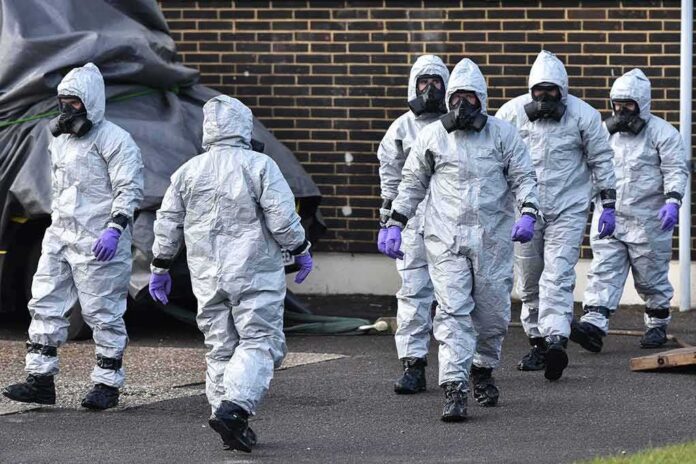
Local reporting said the warehouse still held massive volumes of decomposing food as the deadline neared. One outlet put the original cleanup target near eighty-five to eighty-eight million pounds. The South Coast air regulator fielded thousands of odor complaints and issued multiple violation notices to the operator. Residents described sleepless nights, swarming flies, and a foul smell spreading through homes and streets during July and August coverage.
The disputed deadline and where cleanup stands now
City officials said the forty-five-day clock ran out on August 14. They said Lineage would miss the deadline based on visible progress and remaining waste. The company pushed back, saying the clock started later, so the end date falls on August 20 for bulk removal. The company said it would finish disinfecting and detail work by August 27. This timing fight left neighbors stuck between official orders and the operator’s calendar.
On August 14, the company stated that ninety-three percent of bulk food waste had been removed and that all food removal would be complete by August 27. Company statements also emphasized continued work with regulators and a pledge to finish quickly and safely. The firm highlighted community support, including financial aid and supplies, as it worked to stabilize the site and reduce odors. The dispute over dates does not change the daily reality for residents nearby.
Public health enforcement and community impact signals
The South Coast air regulator documented more than four thousand odor complaints between mid-July and early August and issued twenty-five violation notices tied to the site. County health officials cited the operator for unsanitary conditions and pest control failures and increased fines during the period. These actions show formal concern beyond neighborhood stories. They also pressure the company to speed up removal and to control flies and odors that spread past the fence line.
Lineage is under fire as the company misses L.A. City's food cleanup deadline at their Boyle Heights warehouse. What's next? https://t.co/haGCWFWnal pic.twitter.com/UQne0ukAv9
— ABC7 Eyewitness News (@ABC7) August 15, 2026
Residents gave first-hand accounts of a “continuous nightmare,” with flies entering homes and a putrid odor that lingered day and night. Parents worried about children returning to nearby schools while cleanup dragged on. City leaders responded by freezing rebuild reviews and demanding faster action. The company said progress was steady and that it would complete bulk removal within days. The gap between those views fueled mistrust and rising calls for stronger oversight.
Why this fight resonates beyond Boyle Heights
This clash reflects a common pattern after major industrial accidents. Agencies weigh complaint volume, inspections, and practical limits on hauling and disposal. Companies point to rules, safety, and logistics. Here, neighbors feel government moved too slowly to protect basic quality of life. Others see a system where deadlines blur and no one is clearly accountable. That sense of drift feeds a wider belief that institutions answer last to ordinary people living with the fallout.
What to watch next
Watch for the city to release enforcement findings that confirm whether the deadline was legally missed. Track verified weight tickets and manifests that show how much waste left the site each day. Look for air monitoring data around the neighborhood to see if odors and chemicals drop as removal ends. Follow whether the city keeps the rebuild pause and what conditions it sets. These records will show if promises matched performance, and if relief finally reaches the block.
Sources:
nypost.com, nbclosangeles.com, latimes.com, onelineage.com
© patriotspotlight.org 2026. All rights reserved.