
A New Jersey car salesman who financed horrific monkey torture videos received just four years in prison, sparking outrage over what many see as a shockingly lenient sentence for unspeakable animal cruelty.
Story Snapshot
- Giancarlo Morelli sentenced to only 4 years for financing monkey torture videos
- Morelli paid for custom videos showing baby monkeys being tortured and killed
- Federal investigation exposed transnational network of animal cruelty buyers
- Animal welfare advocates condemn sentence as insufficient for premeditated crimes
Disturbing Network of Animal Cruelty Exposed
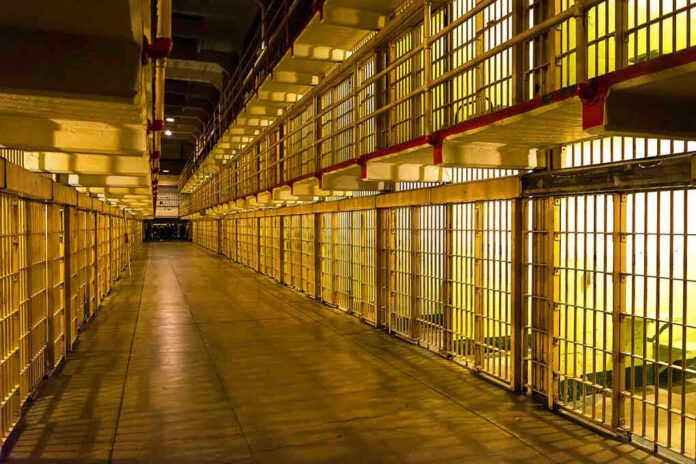
Giancarlo Morelli, a car salesman from New Jersey, was sentenced in September 2025 to four years in federal prison for his role in financing and distributing graphic “animal crush” videos. These disturbing videos depicted the torture and killing of baby monkeys, produced primarily in Southeast Asia where enforcement of animal welfare laws remains inconsistent. Morelli was part of a broader network of U.S.-based buyers who paid for custom content, directly fueling demand for increasingly violent animal torture.
The federal investigation, spanning 2022 through 2023, utilized undercover operations and digital forensics to identify U.S.-based financiers like Morelli. Federal authorities worked with Southeast Asian law enforcement to track the production and distribution networks. At least 11 individuals have been charged in related cases across Connecticut and Ohio, with Morelli’s case representing one of the most high-profile prosecutions under the Animal Crush Video Prohibition Act of 2010.
Weak Justice for Heinous Crimes
Animal welfare experts and concerned Americans have expressed outrage over Morelli’s four-year sentence, arguing it fails to reflect the severity and premeditation of these horrific crimes. The sentence appears woefully inadequate considering Morelli’s active role in financing torture for personal gratification. This lenient approach undermines justice for innocent victims and potentially emboldens other would-be participants in similar networks of cruelty.
The case highlights a troubling pattern where our justice system seems more focused on rehabilitation than delivering meaningful consequences for deliberate, calculated evil. Despite federal law prohibiting such content since 2010, online communities continue operating through encrypted platforms and international payment systems, suggesting current penalties fail to provide adequate deterrence. Traditional American values emphasize protecting the innocent and vulnerable, making this sentence particularly disappointing.
International Implications and Ongoing Threats
This case exposes how American consumers drive international animal cruelty markets, with U.S. buyers holding economic power to dictate content and frequency of torture videos. Southeast Asian producers depend on weak enforcement and legal loopholes, while encrypted messaging apps and online payment platforms facilitate these illegal transactions. The Department of Justice emphasized ongoing commitment to prosecuting animal cruelty, but current results suggest stronger international cooperation and harsher penalties are desperately needed.
Federal authorities continue investigating similar crimes, with additional prosecutions expected as the broader network gets exposed. However, concerns remain about the persistence of such operations online, particularly given the relatively light sentences being handed down. This case demonstrates the need for America to lead by example in protecting innocent creatures from those who would exploit them for profit and twisted gratification.
Sources:
Two Charged for Involvement with Online Groups Dedicated to Monkey Torture and Mutilation
Man sentenced for ‘animal crush’ videos he bought, shared
Connecticut residents charged in monkey torture ‘animal crush’ videos