
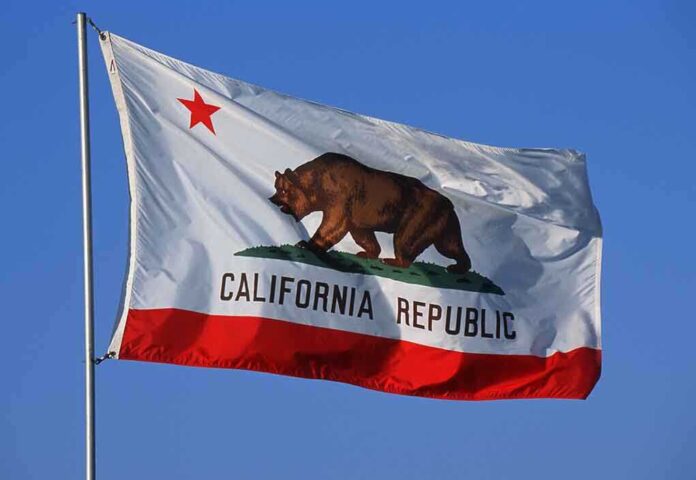
A California lawmaker’s plan to split the state in two exposes just how far political division and frustration with the left have negatively affected the state.
Story Snapshot
- A Republican Assembly leader has proposed dividing California into two states, separating inland counties from the coastal elite.
- The move responds to long-standing complaints of political disenfranchisement and resource neglect in rural communities.
- Local governments like Shasta County have formally backed the split, reflecting grassroots momentum against Sacramento’s dominance.
- Legal and political hurdles make a split unlikely, but the effort signals deepening divides over representation, governance, and American values.
California’s Two-State Proposal: Who Wants the Split and Why?
James Gallagher, the top Republican in the California State Assembly, announced in August 2025 that he’s had enough of Sacramento’s disregard for the state’s heartland. His “two-state solution” would carve out 35 inland counties—those consistently overshadowed by the likes of San Francisco and Los Angeles—creating a new state free from the progressive agendas and overreach of the coastal majority. Gallagher’s plan is not just a protest; it’s a calculated response to Governor Newsom’s latest redistricting proposal, which many rural Californians see as cementing their political erasure under Democrat rule.
Deep frustration has been brewing for years in California’s vast interior. Inland counties, home to farmers, small business owners, and families who value traditional American freedoms, feel left behind by policies that prioritize urban interests and progressive experiments. Initiatives like “Six Californias” previously tried—and failed—to address these divides, but Gallagher’s push comes at a time when polarization is at an all-time high. Local governments, such as Shasta County’s board of supervisors, have now formally endorsed the split, signaling a growing willingness to challenge the status quo imposed by coastal elites.
Political and Legal Roadblocks: The Fight for Representation
Gallagher’s proposal is a direct answer to the redistricting battle that has pitted rural values against urban priorities. Newsom’s plan, which goes to a public vote in November, is seen by many as another maneuver to lock conservative voices out of real power. Backers of the split argue that the only way to secure genuine representation and stop the erosion of constitutional rights—including gun ownership, parental authority, and fiscal responsibility—is to break away from a government that no longer serves them. Yet, any move to create a new state faces a daunting path: it must gain approval from both the state legislature and the U.S. Congress, a process designed by the Constitution to guard against rash or partisan changes to the Union.
Despite these hurdles, the proposal has already shifted the conversation. Shasta County’s supervisors, wary of “secession” language, have carefully worded their support, but the message is clear: many Californians no longer trust that their voices matter in a system rigged by urban majorities. This kind of local government action signals a broader awakening among communities tired of being overruled on everything from immigration and taxes to education and crime policy.
The Stakes: What a Split Would Mean for California and the Nation
If Gallagher’s plan somehow overcame the legal barricades, the consequences would be historic. The new inland state would likely embrace policies rooted in individual liberty, limited government, and protection of constitutional rights—principles long diluted by leftist coastal dominance. Economically, resources would be redistributed, forcing both regions to navigate new realities in infrastructure, public services, and taxation. Socially, the move would amplify regional identities but risk deepening the polarization already fracturing California and the nation as a whole.
Critics warn of chaos, inefficiency, and legal battles. Supporters argue smaller, locally governed states would be more responsive and accountable. Academic experts point out the near-impossibility of securing Congressional approval, but acknowledge that these efforts reflect legitimate, deep-rooted grievances about representation and governance. Whether or not the split succeeds, the message is clear: rural Americans are done being ignored and are willing to pursue bold solutions to restore their voice and values.
Local Momentum and National Implications
With Shasta County’s formal endorsement and other counties watching closely, the split movement has evolved from a political talking point to an active campaign for self-determination. Even if the effort ultimately falls short, it has forced the state and the nation to confront the growing alienation of rural communities under one-size-fits-all progressive rule. This story is not just about California—it’s a warning sign for every state where traditional values and constitutional rights are threatened by centralized, unaccountable power.
Sources:
Shasta County 1st to back new effort to split California – Redding.com