
As explosions lit up the Strait of Hormuz, a British swimmer kept going, passing burning ships to warn about war’s damage to the sea.
Story Highlights
- Lewis Pugh swam about 15 kilometers over three days in the Strait of Hormuz.
- A nearby oil tanker was struck during day one; he later passed a burning gas carrier.
- Pugh aimed to spotlight harm to wildlife and call for cleanup and safer passage.
- Reports describe swimming “parts” of the strait rather than a full-width crossing.
A Three-Day Swim Through a Conflict Zone
British endurance swimmer Lewis Pugh spent three days swimming parts of the Strait of Hormuz, covering about 15 kilometers near Oman’s Musandam Peninsula and toward the Cape of Hormuz. Major outlets reported the route and timing and published images from his team that showed him in the water on November 15, 16, and 18, 2026. His foundation supported the effort from escort boats while he entered the water in short segments that added up over the three days.
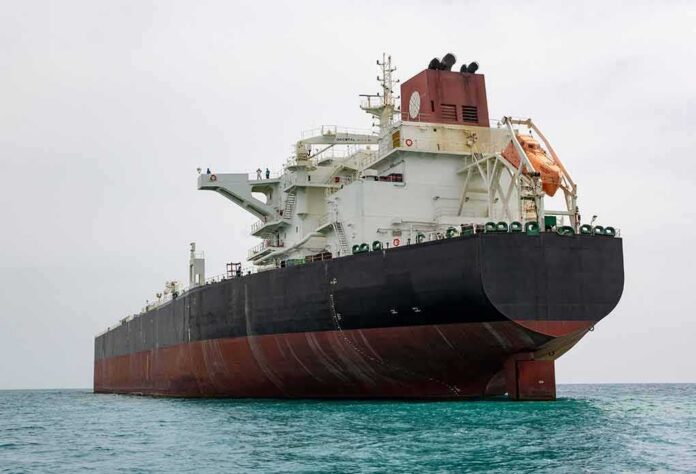
On the first day of the swim, Pugh and his team witnessed a nearby vessel attack. He said an oil tanker several kilometers away was struck, and he saw the aftermath as plumes rose on the horizon. Later in the swim, he passed close to a liquefied petroleum gas carrier reported as still on fire, with flames visible above a headland. The incident underscored the risks that commercial ships, crews, and the surrounding waters face during the conflict.
Environmental Alarm in a Vital Shipping Artery
Pugh is the United Nations Patron of the Oceans, a role that reflects years of public advocacy for marine protection. He said the goal in Hormuz was to draw attention to damage from spills, soot, and debris that can follow attacks and accidents. He called for reopening the waterway to safe passage and for urgent cleanup to protect coral, dolphins, turtles, and fish that depend on clear, healthy seas in the region.
Global agencies and researchers have warned that disruption in the strait raises environmental and economic risks. The United Nations Conference on Trade and Development has detailed how conflict-driven slowdowns and stops in Hormuz stress supply chains and heighten hazards, including pollution tied to idling ships and rerouting. Analysts also note the strait’s central role in oil and gas flows, which makes any spill or fire there a high-impact event for nature and trade.
What Was Accomplished and What Comes Next
Newsrooms described Pugh’s achievement as a multi-day swim through parts of the waterway rather than a single, shore-to-shore crossing at full width. Reports placed his route along the Omani side, totaling around 15 kilometers, and framed the feat around endurance and messaging rather than record-setting distance. That framing matches his aim: to highlight the direct cost of war to the marine environment in one of the world’s tightest and busiest chokepoints.
Lewis Pugh has swum in sub-zero temperatures in the North Pole and among sharks and jellyfish. But on his latest swim, he braved a different threat — conflict in the Strait of Hormuz. https://t.co/OkzlPwYDmT pic.twitter.com/AYziZnUybN
— AFP News Agency (@AFP) November 24, 2026
The images and accounts from Pugh’s team gave the story human scale: one swimmer moving past ships while fires burned. For many readers, the scene connects to a larger worry shared across politics. People see a vital waterway under pressure while leaders trade blame and the sea pays the price. Pugh’s call is simple: stop the attacks, secure safe passage, and clean up the mess so communities and wildlife are not left to carry the burden.
Sources:
insiderpaper.com, haaretz.com, scilit.com, theconversation.com
© patriotspotlight.org 2026. All rights reserved.