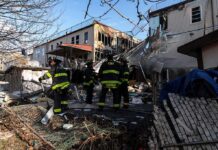

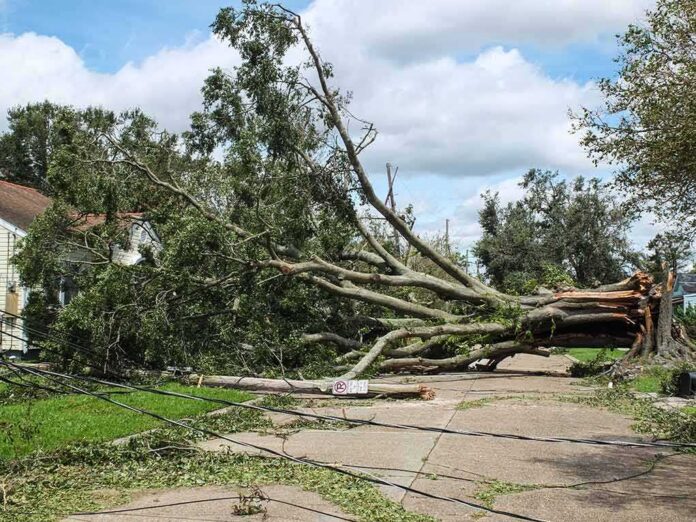
A powerful Thanksgiving storm cut electricity to more than 836,000 customers and upended holiday plans across much of the United States.
Story Highlights
- More than 836,000 customers lost power at the peak, with the largest outages on the East Coast.
- Heavy rain, strong winds, and coastal flooding hit from North Carolina to New Jersey.
- Macy’s Thanksgiving Day Parade was postponed due to wind and rain threats.
- Flights were canceled or delayed across key travel hubs on the holiday.
Peak Outages and Where the Lights Went Out
Reuters reported that more than 836,000 utility customers were without power as of 4:06 p.m. Eastern time on Thanksgiving, citing PowerOutage.us data. The largest counts were in Virginia, Maryland, and Pennsylvania, each with well over one hundred thousand customers in the dark. The New York Times described widespread outages from North Carolina to New Jersey as the storm’s wind and rain swept the coast. The figure reflects a snapshot during the storm and may shift as utilities refine totals.
Forecasters and local outlets tied the blackouts to severe wind gusts that toppled trees and power lines. Reported gusts reached up to seventy miles per hour in parts of the region, a level strong enough to break limbs and down wires. Those conditions match the pattern of weather-driven grid trouble seen in many recent storms. Crews faced blocked roads, flooded streets, and unstable trees, which slowed repair work and extended some restorations into the evening hours.
Wind, Rain, and Coastal Flooding Drive Hazard
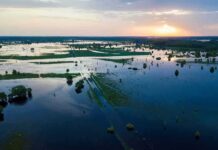
The East Coast saw heavy rain bands and powerful onshore winds during peak holiday hours. The New York Times detailed street flooding and utility disruptions along the corridor from North Carolina to New Jersey. Storm surge and high tides pushed water into low-lying neighborhoods, while saturated soil made trees easier to uproot. Local officials warned drivers about ponding on highways and urged residents to avoid downed lines and fast-rising water around inlets and bays.
Midwestern states felt the storm’s back side, with snow and additional outages reported as the system moved inland. The New York Times cited about one hundred twenty thousand customers without power in Missouri and additional blackouts in Illinois. That mix of coastal flooding, wind damage, and interior snow made the event a broad, multi-hazard system. The spread of impacts complicated mutual-aid planning because many regions needed help at the same time.
Parade Postponed and Travel Plans Scrambled
New York City leaders and event organizers postponed the Macy’s Thanksgiving Day Parade, citing strong winds, heavy rain, and flooding risks along the route. ABC7 New York reported that the safety concerns centered on gusty conditions that could endanger large balloons, as well as slick streets and ongoing flooding threats. The decision marked a rare disruption for a century-old tradition and underscored how weather can force changes even to long-planned public events.
A massive Thanksgiving storm US 2026 has triggered coastal flooding, 2,200+ flight delays, and nearly 1 million power outages. Read the 5 biggest impacts now.https://t.co/8Iu7pn0lmC
— Mehrab360 (@mehrab360x) November 27, 2026
Air travel also took a hit. The New York Times reported hundreds of cancellations and more than one thousand delays as airlines adjusted schedules and crews waited out the worst bands of rain and wind. East Coast hub slowdowns rippled across the country because aircraft and flight crews missed rotations. Travelers faced longer lines, rolling rebooks, and tight connections as the system recovered into the evening and the next morning’s holiday weekend rush.
Why These Numbers Can Mislead Without Context
Holiday storms often spark debate over what counts as “the” number to watch. The outage tally shows how many customers lacked power at one time, but it does not reveal how long each home or business stayed dark. Forecasts, observed damage, and travel metrics also measure different things. Climate Central’s review found that eighty percent of major outages since 2000 involved weather, and such events have roughly doubled in recent decades, showing a clear risk trend.
What To Watch Next
Utilities will publish restoration updates and damage reports, which will clarify how many customers lost power and for how long. City and state agencies will also detail road flooding, debris removal, and emergency responses. Airlines will work through backlogs as aircraft return to position. For families and small businesses, the practical steps are the same: restock basic supplies, keep phones charged, and review local alert systems. These habits can turn a long outage into a shorter, safer wait.
Sources:
facebook.com, nytimes.com, lbc.co.uk, amp.dw.com
© patriotspotlight.org 2026. All rights reserved.