
The Pentagon is betting America’s deterrence on upgraded “workhorses” like the B-52 and Apache—because building enough brand-new platforms fast enough isn’t realistic.
Quick Take
- The Air Force is moving forward with a $2 billion Boeing task order to modify and test two B-52s with Rolls-Royce F130 engines, setting conditions for fleet-wide upgrades.
- A new AN/APQ-188 AESA radar has already flown on a B-52, replacing an older system and aiming to improve navigation and targeting in complex conditions.
- Once engine and radar upgrades are completed, the modernized bomber will be redesignated the B-52J and is expected to serve into the 2050s or 2060s.
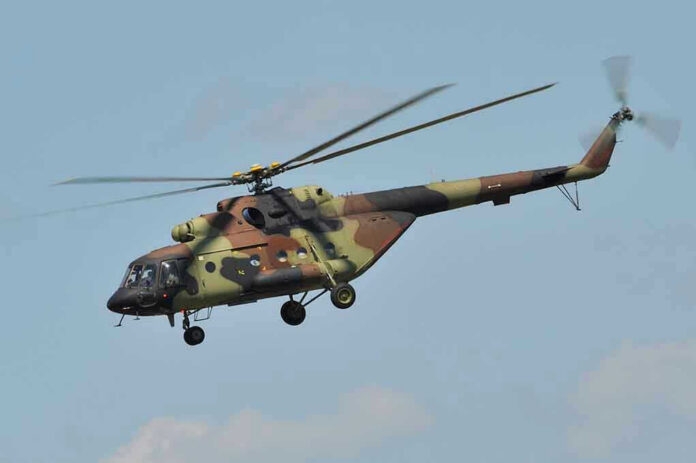
- The Army’s transformation plan includes retiring 91 AH-64D Apaches while shifting emphasis toward AH-64E variants and remanufacturing where practical.
Why the U.S. Is Modernizing Old Platforms Instead of Waiting for Perfect Replacements
The Air Force’s modernization push centers on a basic reality: replacing major combat aircraft one-for-one is slow and expensive, even when the threat environment accelerates. The B-52 entered service in 1955 and still forms part of the bomber force plan, but its TF33 engines date to the 1960s and are overdue for replacement. Defense planning also anticipates a future two-bomber mix of upgraded B-52s and B-21 Raiders as older bombers retire.
For taxpayers and warfighters, the key question is whether “repurposing” brings capability soon enough to matter. The research shows the services aren’t simply polishing museum pieces; they’re attempting measurable improvements in reliability, sensor performance, and digital integration. This approach also limits the risk of betting everything on next-generation programs that may arrive later than expected. The research provided does not quantify comparative costs versus new builds beyond program totals, so direct cost-per-capability comparisons remain limited.
B-52 Engine Replacement: What the $2 Billion Task Order Actually Covers
The engine effort is organized around the Commercial Engine Replacement Program, with a December 2025 task order valued at $2 billion awarded to Boeing. The plan is to modify and test two aircraft using Rolls-Royce F130 engines and related subsystems, then use those results to inform a production decision expected in late 2028. The research identifies work occurring across multiple locations, including Oklahoma City, San Antonio, Seattle, and Indianapolis.
The engineering scope goes beyond swapping engines. The research describes new engine struts, updates to electrical power generation, and cockpit display changes tied to the new propulsion package. The program is structured around developmental integration before any fleet-wide rollout, with a task-order completion target of May 31, 2033 and an anticipated initial operational capability tied to that timeline. The research does not specify how quickly the remaining B-52 fleet would be modified after a production decision.
Radar and Avionics Upgrades: Turning a Legacy Bomber into the B-52J
The sensor side of the modernization is anchored by the AN/APQ-188 AESA radar, which completed a first flight on a B-52 on December 8, 2024, after modification work and a ferry flight from San Antonio to Edwards Air Force Base. The new radar replaces the older AN/APQ-166 and is intended to improve navigation and targeting performance, including in challenging weather conditions. Testing in 2026 is part of validating the system for broader fielding.
The research also flags real program friction. Oversight reporting cited a “non-critical” Nunn-McCurdy breach in the radar program, described as roughly 15% cost or schedule growth tied to environmental qualification, parts procurement, and software challenges. Those issues matter to conservatives focused on accountability, because cost growth often becomes the justification for bigger budgets later. The same research notes teams have worked through design and integration problems, but production-scale risk still lies ahead.
Apache Restructuring: Retiring AH-64D Models While Betting on the E Variant
The Army’s Transformation Initiative announced in April 2025 takes a harder line on older Apache variants. The plan includes retiring 91 AH-64D helicopters and deactivating air cavalry squadrons, while industry efforts emphasize remanufacturing D-models into AH-64E variants as a more cost-effective path than extended sustainment. The research does not provide a full count of how many D-models will be converted versus replaced or how quickly those decisions will be executed across the force.
Across both services, the strategic logic is straightforward: keep proven airframes relevant while next-generation systems scale up. The Air Force’s plan anticipates retiring B-1 and B-2 bombers over the 2030s while sustaining B-52s alongside at least 100 B-21 Raiders. That’s a posture built for continuity—something voters demanded after years when Washington’s priorities drifted toward politics over readiness. The research does not address specific combat performance metrics yet, because key testing and production decisions remain pending.
Sources:
Air and Space Forces Magazine: Air Force $2 Billion Deal to Re-Engine B-52s Testing
AIAA: Air Force taps Boeing to begin B-52 commercial engine replacement
Defense News: US Air Force awards Boeing $2B contract to begin B-52 engine upgrades
19FortyFive: The U.S. Air Force’s B-52 Bomber Could Once Again Be Ready to Drop Nuclear Bombs
Aviation Week: Boeing U.S. Apache Plan Impacting International Market
National Interest: The B-52 Bomber’s Modernization Will Be Delayed to 2026
The War Zone: Small B-52 Fleet Size Creates Challenges For Engine & Radar Upgrade Plans
U.S. Air Force: B-52 Stratofortress completes ferry flight after radar modification