
FAT Brands collapses under $1.45 billion in debt-fueled overexpansion, exposing the brutal toll of Biden-era inflation on American family-owned restaurant empires now fighting to survive under President Trump’s economic recovery.
Story Snapshot
- FAT Brands, owner of Fatburger, Johnny Rockets, and others, files Chapter 11 bankruptcy on January 26, 2026, with $1.3–1.45 billion debt from reckless 2020-2021 acquisitions.
- Post-pandemic inflation and eight quarters of declining same-store sales crushed liquidity, leaving just $2.1 million cash as shares plunged to $0.39.
- CEO Andrew Wiederhorn’s family bonuses amid distress highlight corporate governance failures in a sector battered by fiscal mismanagement.
- Third such restaurant bankruptcy in two years warns against high-risk debt models amid economic headwinds finally easing under Trump policies.
Bankruptcy Filing Details
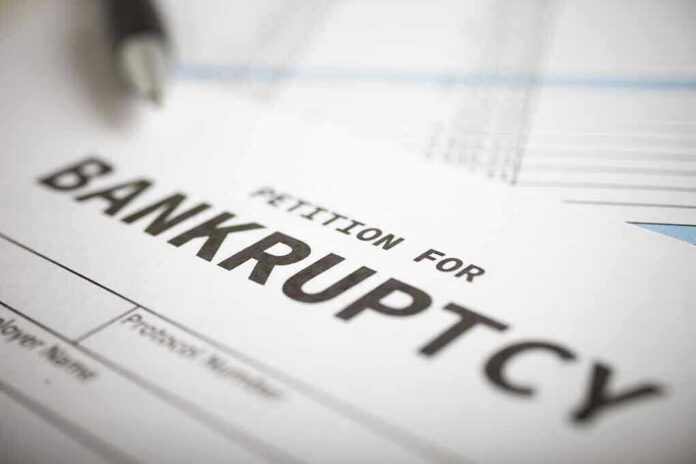
FAT Brands and subsidiaries including Twin Hospitality filed Chapter 11 in Texas on January 26, 2026. The California-based franchiser lists $1.3 to $1.45 billion in liabilities, primarily securitized debt from 2020-2021 acquisitions of Johnny Rockets, Fazoli’s, Twin Peaks, and others. Operations at over 2,200 locations worldwide continue uninterrupted. Shares traded at $0.39 pre-filing, adding a “Q” suffix and facing Nasdaq delisting after a January 8 notice for sub-$1 pricing. Employee paychecks remain secured through the process.
Roots in Overleveraged Growth
Founded from Fatburger roots, FAT Brands pursued aggressive expansion using whole business securitizations—high-interest notes backed by brand royalties. Deals funded Global Franchise Group, Round Table Pizza, Nestle Toll House Café, and Smokey Bones. Management fees covered only 80% of costs even pre-inflation. Mid-teens interest on $47.35 million loans, plus $104 million unsecured debt, $25 million tax liabilities, and $72 million penalties since 2022 strained finances. The company diverted $8.6 million in unspent ad funds for liquidity.
CEO Controversies and Liquidity Crunch
CEO Andrew Wiederhorn faced 2024 indictment for $47 million investor fraud, dismissed in 2025 after prosecutor issues, costing $85.5 million in fees. He approved raises and bonuses for executive sons pre-filing despite distress. By mid-November 2025, debt payments missed. Unrestricted cash hit $2.1 million on January 23, 2026. A trustee noted a “manager termination event” but did not enforce it. Bondholders like Investor 352 Fund sued pre-filing, seeking $109 million recovery and triggering penalties.
Restructuring Path Ahead
John DiDonato of Huron Consulting serves as Chief Restructuring Officer, overseeing deleveraging and bondholder mediation. Independent directors evaluate alternatives. CEO Wiederhorn called the filing a “proactive step” for sustainable growth amid “difficult market conditions.” Spokesperson Erin Mandzik attributed woes to acquisition debt hit by inflation. Short-term, franchises and employees face minimal disruption; long-term, brand sales or spin-offs loom, echoing TGI Fridays’ precedent as the third WBS bankruptcy in two years.
Industry Warning Under Trump Recovery
Same-store sales declined eight quarters across brands, four for Twin Peaks’ 114 U.S./Mexico sites, signaling casual dining contraction. Florida Fatburger expansions contrasted the crisis. Experts note securitizations starved the business, with inadequate fees and “ratcheting penalties” from non-secured debt worsening the spiral. As President Trump reins in inflation and prioritizes American workers, this failure underscores risks of globalist debt binges—lessons for family businesses rebuilding in a stronger economy.
Sources:
Restaurant Business: FAT Brands, burdened with heavy debt, declares bankruptcy
Fintool: FAT Brands Chapter 11 Bankruptcy
NRN: FAT Brands and Twin Hospitality file for Ch. 11 bankruptcy
TheStreet: FAT Brands, owner of burger and wings empire, faces looming Chapter 11