
As Iran erupts in its largest anti-regime uprising in years, the Islamic Republic’s brutal crackdowns are testing whether President Trump’s tougher stance will finally hold this terror-sponsoring regime to account.
Story Snapshot
- Iran is seeing its biggest, most widespread protests of the 2025–2026 cycle, shifting from economic anger to open revolt against the regime.
- Protesters are changing tactics with decentralized, hit‑and‑run actions, rooftop chants, and nationwide strikes that strain security forces.
- The regime is responding with internet blackouts, live fire, mass arrests, and classic authoritarian information control.
- Trump has warned Tehran against massacring protesters, signaling a sharp break from the Biden-era soft line on Iran.
Protests Ignite As Iran’s Economy Buckles Under Regime Mismanagement
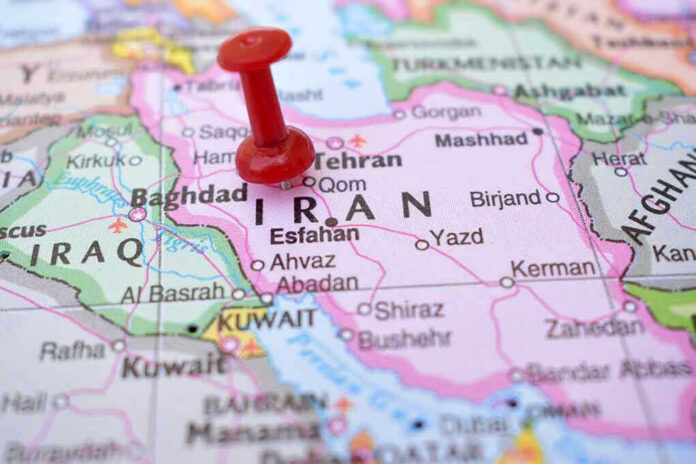
Across Iran’s markets and working-class neighborhoods, demonstrations that began on December 28, 2025 over soaring food prices, gasoline hikes, and a collapsing currency have exploded into a nationwide uprising. Merchants in Tehran’s Grand Bazaar led early strikes after the rial plunged to record lows, wiping out savings and pushing basic goods out of reach for ordinary families. Within days, protests spread to major cities like Isfahan, Mashhad, and Shiraz, revealing deep frustration with decades of economic mismanagement by the clerical regime.
As the economic pain intensified, the tone of the streets shifted from pocketbook complaints to explicit political defiance. Crowds began chanting “Death to Khamenei” and calling openly for an end to the Islamic Republic itself, signaling a move from reformist hopes to outright rejection of the system. The regime tried to slow the momentum with sudden “weather-related” closures across multiple provinces, but those measures only underscored how authorities prioritize control over real solutions for suffering citizens.
Decentralized Tactics Turn A Protest Wave Into A Nationwide Uprising
Faced with heavily armed security forces, protesters have adapted quickly, switching from static mass rallies to nimble, dispersed actions that are harder to crush. Small, fast-moving gatherings erupt in different neighborhoods, then dissolve before riot police can surround them. At night, Iranians shout anti-regime slogans from windows and rooftops, turning entire districts into echo chambers of dissent without giving security services a single crowd to target. Strikes by bazaar merchants and university students add economic and political pressure simultaneously.
Universities have become another key front, with demonstrations and sit‑ins reported at dozens of campuses nationwide. Young Iranians who grew up under previous crackdowns are now driving a more coordinated but leaderless movement, refusing to rely on regime-approved channels that never deliver genuine reform. Their tactics echo earlier waves—like 2019 and 2022—but are more sophisticated, leveraging local networks and diaspora media to organize despite censorship. This decentralized resistance makes it far more difficult for Tehran to decapitate the movement through targeted arrests.
Regime Crackdown Exposes Authoritarian Playbook As Trump Raises The Stakes
Iran’s rulers have responded in familiar fashion: blacking out the internet, cutting international phone lines, and flooding streets with Revolutionary Guard and Basij forces. Reports describe security units using tear gas and, in some locations, live ammunition, alongside mass arrests and raids on hospitals and homes. Human rights monitors estimate dozens killed and thousands detained in barely two weeks, though the true toll is likely higher given tight media control. State outlets smear demonstrators as “rioters,” laying rhetorical groundwork for harsher repression.
As the death toll rises, the protests continue to spread rather than recede, suggesting the regime’s fear tactics are losing their edge. With most provinces touched by unrest and security forces stretched thin, Tehran faces its most serious domestic challenge since previous protest cycles. Unlike under the prior U.S. administration, this time the mullahs know Washington is not looking the other way. President Trump has publicly warned that if Iran “violently kills peaceful protesters,” the United States is prepared to respond, tying the regime’s internal brutality to its broader destabilizing behavior.
Why This Matters For American Conservatives And U.S. Policy
For American conservatives, Iran’s turmoil is a reminder of what happens when authoritarian, theocratic regimes are appeased and enriched. Years of Western concessions and sanctions relief under globalist diplomacy gave Tehran breathing room while it crushed dissent at home and funded terror abroad. Today’s protests reveal a people who want accountable government, economic sanity, and basic freedoms—values far closer to constitutional, pro-liberty principles than the regime’s harsh Islamist rule. Their courage exposes the moral bankruptcy of past soft‑on‑Tehran policies.
These events also highlight why strong American leadership matters. A firm policy that pressures Iran’s rulers, backs the rights of protesters, and rejects cash-for-concessions deals aligns with core conservative beliefs in peace through strength and support for genuine liberty movements. At the same time, the unrest is a warning about where chronic inflation, corruption, and unaccountable elites can lead when left unchecked. For readers frustrated with reckless spending, open borders, and government overreach at home, Iran’s crisis is a stark case study in the costs of failed governance.
Sources:
A timeline of how the protests in Iran unfolded and grew
Iran News in Brief – January 7, 2026
Iran’s new wave of protests prompt hospital raids, internet shutdowns
Iran Witnesses Biggest Protests So Far As Demonstrators Change Tactics