Scammers are hijacking Gmail’s most trusted warning—the “Delivery Status Notification (Failure)”—to slip malware and phishing links past your defenses, weaponizing what should be your inbox’s immune system.
Quick Take
- Phishers now impersonate Gmail’s mailer-daemon bounce messages to deliver malicious links.
- Fake delivery failure emails closely mimic Google’s legitimate system alerts, making detection tricky.
- No breach of Gmail’s core infrastructure; attacks exploit email protocol weaknesses and user trust.
- Experts urge vigilance, strong authentication, and skepticism toward suspicious bounce emails.
How Scammers Turn System Trust Into Their Greatest Weapon
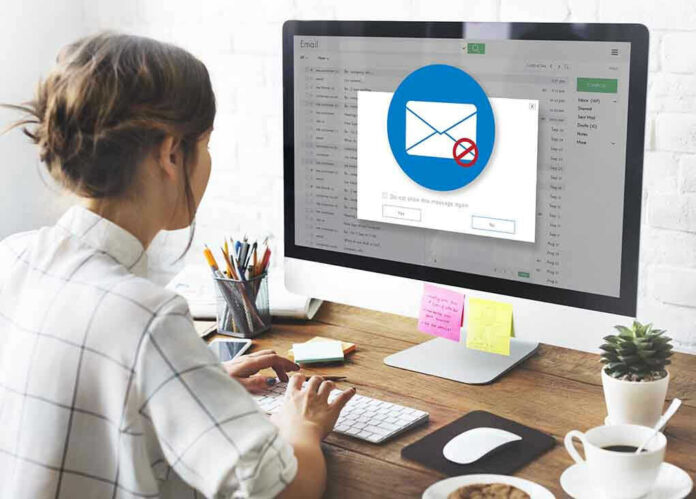
Every Gmail user knows that sinking feeling when a “Delivery Status Notification (Failure)” lands in the inbox. Traditionally, these mailer-daemon warnings mean your email missed its mark—harmless, if occasionally annoying. But since late 2024, scammers have transformed this system safeguard into a sophisticated trap. Counterfeit bounce notifications, often indistinguishable from the real thing, now carry malicious payloads and phishing lures. Their secret? They don’t look like spam; they look like help from Google itself, exploiting the blind trust people place in system-generated alerts.
Scammers understand that people rarely scrutinize these messages. By spoofing sender addresses to mimic Google’s official mailer-daemon, they bypass traditional spam filters and reach inboxes that would otherwise reject obvious scams. Sometimes, the victim’s own address appears as both sender and recipient, giving the illusion of a genuine internal error. For the unwary, a click on a so-called “failed message” or “delivery report” can open the door to malware or credential theft.
The Anatomy of the Attack: Why This Scam Works So Well
Mailer-daemon messages are a bedrock of email infrastructure, intended to automatically alert you when delivery fails. For decades, these automated bounce-backs have been both universal and trustworthy, making them the perfect camouflage for today’s attackers. The scam’s brilliance lies in leveraging a legitimate function: The fake messages look, act, and sound like the real thing. The attackers rely on technical sleight-of-hand—email header spoofing and the use of authentic domain names like @googlemail.com—to create a convincing illusion. The result is a phishing scheme that dodges most spam detection and preys on the average user’s lack of technical knowledge about system-generated mail.
Recent waves of such attacks, documented by security forums and Google Support, show a rise in both frequency and sophistication throughout 2025. Technical support communities are flooded with stories of users receiving an avalanche of bounce-backs they never expected, each laced with a cleverly disguised link or attachment. The messages are often highly targeted, including personal touches such as the recipient’s actual email address or references to genuine contacts, increasing the likelihood of a click.
What Google and Security Experts Want You to Know
Despite the alarming trend, Google’s official stance is reassuring: No evidence suggests the Gmail platform itself has been breached. Instead, attackers exploit weaknesses inherent in the email protocol—especially the ease of spoofing system addresses and the universal trust in mailer-daemon messages. Security professionals point to the need for robust sender authentication protocols (DMARC, SPF, DKIM) and, more importantly, user education. The consensus is clear: Never interact with suspicious bounce emails, never download attachments, and always confirm the authenticity of any notification before taking action.
The most effective defense, according to cybersecurity consensus, is vigilance. Enable multi-factor authentication, stay alert to unusual notification patterns, and consult support forums or IT professionals if you receive unexpected bounce-backs. As these attacks grow more targeted and convincing, even seasoned users must remain cautious. Security blogs, including technical analyses from Mailercloud and Mailmodo, emphasize that while technical measures help, human awareness is still the strongest line of defense.
Implications: The Erosion of Trust and the Path Forward
The real risk extends beyond individual account compromise. As attackers continue to blur the line between legitimate system alerts and malicious imposters, users may become increasingly skeptical of all automated messages—including genuine warnings. This erosion of trust threatens not only email security but also the effectiveness of critical communications in business and personal contexts. For organizations, this means a greater burden on IT resources, more training, and a relentless arms race between scammers and security teams. For individual users, it’s a call to skepticism: If a delivery failure message seems even slightly off, treat it as suspect first and verify before acting.
That Gmail Delivery Status Notification Is Probably a Scam https://t.co/viyaOhgaEb #tech
— Zack (@Zacknarltree) August 25, 2025
Gmail’s mailer-daemon scam is a wake-up call for everyone who still trusts the digital status quo. Phishers are betting on your habits and assumptions. The only way to beat them is with caution, awareness, and a willingness to question even the most familiar messages. The next time a delivery failure alert pings your inbox, remember: Sometimes, the warning is the real danger.