
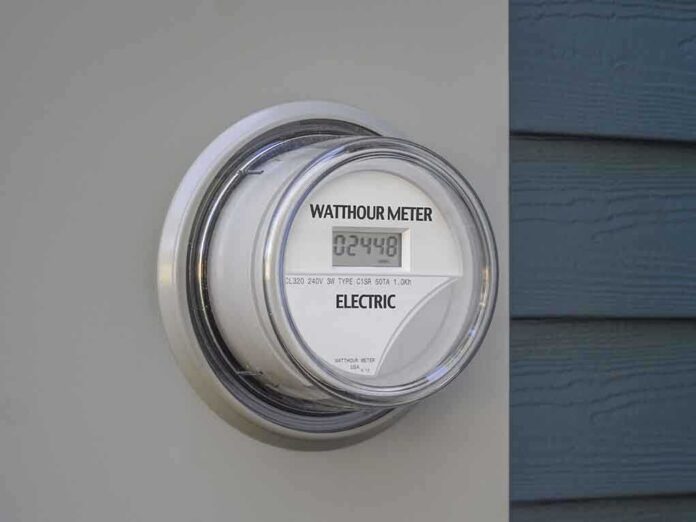
New Jersey families are being crushed by electric bills that have tripled in just two years, exposing the devastating costs of failed green energy mandates and reckless government overreach.
Story Snapshot
- New Jersey utility bills have skyrocketed, with some families now paying over $1,000 a month.
- Shutdowns of nuclear and coal plants, driven by aggressive decarbonization policies, triggered a supply crisis and price surge.
- Voters are furious, with energy affordability and taxes now dominating the 2025 governor’s race.
- Critics say relief efforts like a $30 rebate are “insulting” and fail to address the real harm to middle-class households.
Green Energy Mandates Trigger Unprecedented Utility Crisis
Residents across New Jersey are facing an unprecedented affordability crisis as their utility bills have soared to historic highs. In Highland Park, ordinary families like Rebecca’s have seen their monthly PSE&G bills surge from manageable levels to more than $1,000, with no relief in sight. This financial shock is the direct result of years of state-imposed decarbonization policies, which forced the retirement of reliable coal and nuclear power plants before adequate replacements were secured. Lawmakers pushed these changes under the banner of environmental progress, but the real-world consequence has been a dangerous shortage of electricity supply and sharply higher costs for hard-working Americans.
The 2018 closure of the Oyster Creek nuclear facility marked a turning point for the state’s energy landscape. In the years that followed, the Murphy administration accelerated the shutdown of coal plants, leaving New Jersey’s power grid more dependent on intermittent renewable sources and costly imports. Meanwhile, demand for electricity exploded due to the proliferation of electric vehicles, high-tech appliances, and energy-hungry AI data centers. The state’s auction-based rate system compounded the problem, locking in higher prices for years to come. As a result, Highland Park’s average electric bill is now 11% above the national average, and the statewide rate hike that took effect on June 1, 2025, delivered a further blow to already struggling families.
Personal Stories Highlight Broken Promises and Growing Frustration
For families like Rebecca’s and Felix’s, the surging cost of electricity is not an abstract policy debate—it’s a daily financial nightmare. Many are forced to choose between paying their bills and covering other essentials, with some even considering relocating out of state. Small businesses are also feeling the pain, as higher operating costs threaten their survival. The state’s response—a $30 utility rebate issued in July—has been met with scorn. Assemblyman Alex Sauickie described it as a “Band-Aid over a bullet hole,” echoing the sentiment of residents who see the gesture as out of touch with their dire reality. Despite repeated warnings from experts and industry leaders, state officials failed to ensure grid reliability and affordability, putting political ambitions ahead of common sense and working families.
The crisis is fueling an angry backlash at the ballot box. Both major candidates in the 2025 gubernatorial race, Republican Jack Ciattarelli and Democrat Mikie Sherrill, have been forced to address energy costs and taxes as top campaign issues. What was once a reliably blue state is now in play, with voter frustration threatening to upend years of Democratic dominance. This realignment comes as no surprise to those who warned that unchecked government intervention and forced transitions would eventually erode economic security and public trust.
Expert Analysis: Policy Failures and the Road Ahead
Industry experts and grid operators have been clear about the roots of New Jersey’s crisis. Dan Lockwood of PJM, the regional grid authority, attributes the price shock to “a loss in electricity supply caused primarily by decarbonization policies that have led to an uptick in generator retirements,” made worse by surging usage from new technologies. Analysts emphasize that the state “took generation off before they brought generation on,” creating a dangerous supply-demand imbalance that could have been avoided with smarter planning and a commitment to grid reliability. Critics argue that the transition to renewables was rushed without adequate backup, undermining the affordability and stability American families depend on.
Looking ahead, the crisis in New Jersey is a cautionary tale for the rest of the country: policies that ignore market realities and the needs of the middle class will only lead to hardship and political upheaval. If lawmakers fail to reverse course and restore real energy security, more families will be forced to make impossible choices, and the state’s economy will continue to suffer. The 2025 election may prove to be a turning point if voters demand accountability for policies that put ideology before prosperity.
New Jersey’s electric bills tripled this summer — and could cost Dems the state
“Once they realize that Democrats’ bungled energy policies are to blame for their exploding utility bills as well, it could blow November’s race wide open.” https://t.co/jvjXwOp0GP pic.twitter.com/9TaXXBtugx
— Steve Guest (@SteveGuest) August 10, 2025
Until then, New Jerseyans face a long, uncertain road ahead, with no immediate relief from punishing utility bills. The lesson is clear: Americans must remain vigilant against government overreach and demand energy policies that protect their wallets, their freedoms, and their way of life.
Sources:
EnergySage (Highland Park electricity costs)
PowerOutage.us (current rates and bill averages)
Regional Planning Association (rate hike analysis and auction process)
NJ101.5 (recent rate hikes, political context, and expert commentary)