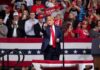


patriotspotlight.org — When a self-described anti-ICE protester vows online to “kill” an agent’s “whole family,” the Department of Justice says it is no longer protest speech but a crime that will be prosecuted to the fullest extent of federal law.
Story Snapshot
- The Department of Justice is treating explicit online threats to murder Immigration and Customs Enforcement agents and their families as federal crimes, not political rhetoric.
- Recent cases show a pattern: when anti-ICE activism crosses into doxxing, cyberstalking, and calls to “hunt” officers, prosecutors bring threat and civil disorder charges.
- Civil-liberties groups claim some anti-ICE cases chill dissent, but they struggle to refute the most serious threat language cited in federal complaints.
- For conservatives, the core issue is whether federal law is finally being enforced consistently to protect front-line agents after years of soft treatment for left-wing agitators.
DOJ Draws a Line Between Protest and Threats of Murder
Federal officials now emphasize a bright line: criticize immigration enforcement all you want, but threaten to murder an officer’s “whole family” and you will face federal charges. Justice Department releases in similar anti-ICE cases describe arrests for transmitting death threats, cyberstalking, and urging others to “forcibly confront, assault, impede, oppose, and resist” federal officers, often through social media posts that look less like protest and more like targeting campaigns.[1] Prosecutors say these cases are about public safety, not ideology.
In one Minneapolis case, the Department of Justice charged a self-identified Antifa-aligned anti-ICE agitator with federal threat and cyberstalking offenses after alleged posts that included murder threats against Immigration and Customs Enforcement personnel and doxxing of perceived opponents.[1] In another, a non-citizen was charged over a TikTok video that allegedly solicited others to kill Immigration and Customs Enforcement agents, prompting a U.S. attorney to warn that any “bounty” placed on agents would trigger thorough investigation and prosecution. These fact patterns closely mirror the rhetoric now at issue.
Pattern of Escalation: From Demonstrations to Federal Felonies
Over the last decade, federal authorities have steadily shifted from treating most anti-ICE demonstrations as local-order issues to using national threat and civil-disorder statutes when violence, organized attacks, or explicit threats emerge.[1][6] The Justice Department has charged small Antifa cells for shootings at detention centers, portraying them as domestic terrorism, and has targeted rioters who attacked officers or destroyed property during immigration operations, sometimes charging a dozen defendants at once for assaults and conspiracies against law enforcement.[4][6] Officials argue that this escalation responds to increasingly aggressive tactics from extreme elements inside the protest movement.
Not every push by prior administrations to criminalize anti-ICE activity has held up. In Chicago, federal prosecutors under a previous Justice Department brought a rare misdemeanor conspiracy case against six demonstrators accused of surrounding a government vehicle outside a detention facility, only to see the entire case collapse after a judge uncovered misconduct in the grand jury process.[1][2] In Los Angeles, a U.S. Marine veteran arrested for allegedly “aiding and abetting civil disorder” by handing out face shields to protesters—facing up to ten years—had his charges dismissed without a clear explanation, raising questions about overreach and selective enforcement.[4][5] These episodes fuel skepticism whenever new charges are announced.
Civil Liberties Concerns Versus True Threat Doctrine
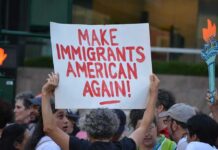
Civil-liberties advocates and progressive legal groups argue that the government sometimes uses “threat” and “civil disorder” laws to intimidate critics of hardline immigration enforcement and blur the line between dissent and crime.[3][5] They point to cases where conspiracy charges or sweeping indictments were later dropped or criticized, warning that aggressive prosecution strategies can chill lawful protest and discourage citizens from speaking out against federal agencies. Media coverage often amplifies this lens, portraying defendants primarily as protesters rather than as alleged stalkers or would-be attackers.
DOJ vows to prosecute anti-ICE protester who vowed to kill agent's 'whole family'https://t.co/k3qcZffTp1
— Stealth Storm (@GusBluegum) May 29, 2026
However, even many critics concede that the strongest government evidence involves explicit, targeted death threats, doxxing of individual officers and their families, and calls for followers to “hunt” specific agents—conduct that falls squarely within long-standing “true threat” doctrine and is not protected by the First Amendment.[1][2] For conservatives who support the rule of law and the safety of front-line officers, the key test is consistency: if the current Department of Justice is now willing to prosecute violent rhetoric from the anti-ICE Left as vigorously as any other threat case, that marks a long-overdue course correction that still must be monitored to ensure both firm enforcement and respect for genuine peaceful protest.
Sources:
[1] Web – DOJ vows to prosecute anti-ICE protester who vowed to kill agent’s …
[2] Web – Anti-ICE Antifa member arrested on federal charges of Cyberstalking …
[3] Web – Man Sentenced For Threatening to Murder Federal Agents
[4] YouTube – DOJ Arrests ‘Self-identified Anti-ICE Antifa Terrorist
[5] Web – Antifa Cell Members Convicted in Prairieland ICE Detention Center …
[6] Web – ICE Wants to Go After Dissenters as well as Immigrants
© patriotspotlight.org 2026. All rights reserved.