A decade-long government-run water project in Arizona is leaving families “trapped” indoors by swarms of midge flies—and officials admit there’s no simple way to stop it.
Quick Take
- Residents in south Gilbert, Arizona, say thick midge swarms ruin daily life, forcing people indoors and into constant cleanup.
- Reporting ties the recurring infestations to municipal groundwater recharge basins that create ideal breeding conditions in warm weather.
- Gilbert’s response has leaned on monitoring, fogging, larvicide, and temporary operational changes—steps that can reduce swarms but haven’t ended the problem.
- The episode highlights a broader frustration: local government services often feel unresponsive even when taxpayers face years of quality-of-life damage.
Why Gilbert’s midge problem keeps coming back
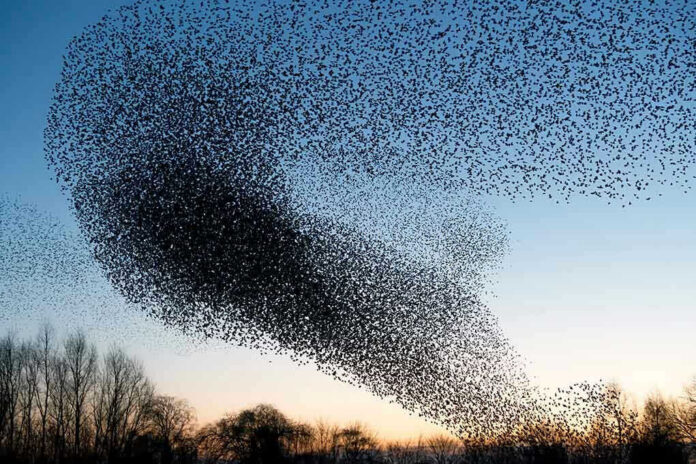
Residents near Ocotillo and Power Roads in south Gilbert have described clouds of non-biting midge flies so dense they avoid going outside, opening doors, or even trying to eat outdoors. Multiple accounts frame the problem as recurring for more than a decade, with heavy swarms arriving in warmer months and lingering long enough to disrupt normal family life. The most consistent explanation in the reporting is environmental: midges breed in standing water, and the community sits near water infrastructure built to store and recharge groundwater.
Municipal recharge basins are designed to hold water so it can seep into aquifers, a practical tool in the Southwest where drought and population growth pressure supplies. Those same water-filled basins can also function like an insect nursery, especially when conditions are hot and basins stay full. Residents say the result isn’t a minor nuisance but a persistent summer reality—bugs getting into houses and cars, gathering on surfaces, and turning ordinary outdoor routines into something people simply can’t tolerate for long.
What the town says it can do—and what it can’t
Town operations described in the coverage focus on control rather than elimination. Gilbert has used daily monitoring, fogging, and larvicide applications, along with operational changes at the recharge facility that can temporarily reduce the swarms. Officials have also acknowledged limits: complete eradication is not promised, and some measures that reduce insects can conflict with maintaining recharge activity. Temporary relief has reportedly occurred when recharge operations are paused or when water levels are adjusted, but residents say the improvements don’t last.
This is the kind of local-government tradeoff that drives broader distrust: residents want a permanent fix, while agencies manage systems built for long-term infrastructure goals. In plain terms, a core service—water security—creates a secondary harm—an unlivable seasonal environment for nearby neighborhoods. When government can’t deliver a durable remedy after years of complaints, it reinforces a bipartisan suspicion that the “system” protects projects and processes first, while families are told to be patient and adapt.
The “mutant” headline vs. the verified facts
The most viral framing uses sensational language like “mutant” and “prisoners in their own homes,” but the underlying facts are more ordinary—and arguably more frustrating. The insects described are midges, typically non-biting and not portrayed as venomous or genetically altered in the reporting. The horror comes from volume, not danger: swarms so thick they get in faces and homes and leave dead bugs everywhere. That distinction matters because it points away from panic and toward accountability for predictable consequences of local environmental management.
A problem bigger than one Arizona neighborhood
Similar complaints show up elsewhere, including Sparrows Point, Maryland, where heavy rains and the timing of spraying were cited in relation to midge outbreaks, and a UK community that blamed flies on waste and collection changes during hot weather. These comparisons don’t prove a single national cause, but they do show a pattern: when local government basics—pest mitigation, sanitation, water management—fall behind conditions on the ground, citizens get stuck living with the consequences. The practical lesson is that competent, responsive local administration matters as much as big national politics.
For Gilbert, the unresolved question is whether the town can redesign operations or infrastructure to reduce breeding without undermining water security. The available reporting doesn’t offer a clear long-term solution or any confirmed 2025–2026 update, which is itself revealing. Residents have said the issue has persisted across years of attention and temporary interventions. In an era when many Americans—right and left—suspect government institutions protect their own routines first, a decade of “management” without a durable fix is the kind of story that keeps that cynicism alive.
Sources:
https://www.dailymotion.com/video/x940nq4
https://opgov.news/articles/swarms-of-midge-flies-trap-gilbert-residents-in-their-homes