During a solemn tribute to Dolly Parton, CNN aired a photo of a Las Vegas impersonator, then apologized to her family.
Story Snapshot
- CNN showed a tribute artist’s photo during coverage of Parton’s passing and issued an apology.
- The image aired on Laura Coates Live during an evening report on Parton’s death.
- The impersonator was identified as Kelly Vohnn, a Las Vegas performer.
- Media outlets widely reported the error, underscoring a recurring newsroom risk.
What CNN Aired And How It Responded
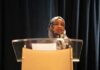
Entertainment outlets reported that CNN used a photo of Kelly Vohnn, a Dolly Parton tribute artist, during a segment on Parton’s death. CNN issued a statement saying, “We regret the error and apologize to the Parton family.” The mix-up occurred on Laura Coates Live during the 11 p.m. Eastern Time hour, in a report about the country icon’s passing. The acknowledgment came through statements to Entertainment Weekly and Variety, which both described the same mistake and the network’s apology.
Entertainment Weekly identified the person in the photo as Kelly Vohnn, who performs as a Parton impersonator in Las Vegas. Multiple outlets reported the same details, noting that CNN apologized and described the broadcast context. Those reports align on the core facts: the wrong image ran, the program was Laura Coates Live, and CNN said it regretted the error. The Washington Times also covered the apology, reinforcing that the network addressed the mistake publicly.
Why This Kind Of Error Happens In Newsrooms
Photo and identity mix-ups are a known newsroom problem. Editors often work fast, pull from archives, and rely on captions that can be wrong or incomplete. Guidance from journalism trainers urges teams to compare images against other confirmed photos and to add more checks during breaking news. Research on media errors finds that even quick fixes can still harm credibility because audiences remember the mistake more than the correction. This case fits that pattern of a preventable, high-visibility error.
Poynter’s advice stresses simple steps that reduce risk. Editors should match images with verified samples, confirm captions from more than one source, and slow down when identities drive the story. Newsrooms that build these habits are less likely to air the wrong face. When mistakes do happen, clear corrections matter. CNN’s statement was short and direct. It addressed the family and did not deflect blame, which aligns with standard correction practice in media ethics.
Public Reaction And The Larger Trust Problem
Coverage by several outlets amplified the moment, which often happens when a major brand stumbles on a cultural icon. That attention can turn a single error into a symbol of sloppiness for many viewers. Studies and industry cases show that social media can spread the error faster than the fix, making the apology less visible than the initial mistake. In today’s climate, many people on both left and right already doubt big institutions, including national media.
CNN has apologized to Dolly Parton‘s family and to a Las Vegas tribute artist after mistakenly airing a photo of the impersonator during coverage of the country icon’s death this week.
brief battle with cancer on Tuesday. Amid dozens of images spanning her decades-long career,… pic.twitter.com/esa50vG9kV
— The Hollywood Reporter (@THR) August 27, 2026
Dolly Parton drew love across the political spectrum, so the bar for accuracy felt even higher. When a network misidentifies a face in a tribute, it feels careless to fans who wanted a respectful goodbye. This is why policies that require a second set of eyes on key images matter. They protect the subject, the audience, and the newsroom. CNN’s apology closed the loop for now, but the lasting test is whether stronger checks prevent the next mix-up.
Sources:
foxnews.com, ew.com, x.com, kotaradio.com, cnn.com
© patriotspotlight.org 2026. All rights reserved.