Federal intervention has put a stop to a looming Long Island Rail Road strike, delaying union action but raising deeper questions about government power, union demands, and the threat to regional stability.
Story Snapshot
- President Trump’s executive order halts an imminent LIRR strike for at least four months.
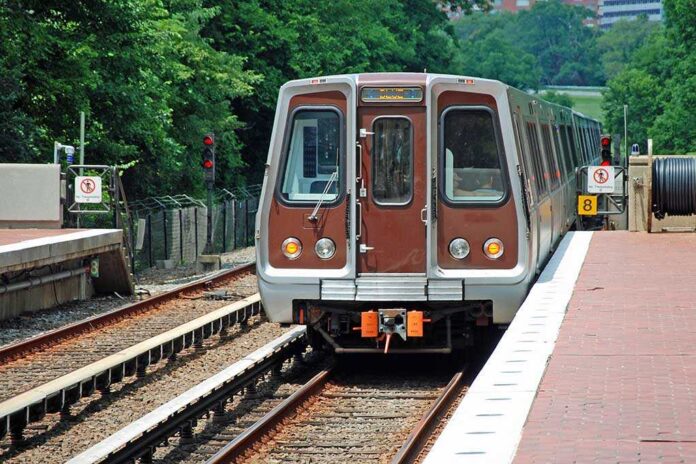
- Nearly 300,000 daily commuters avoid chaos, but contract negotiations remain deadlocked.
- The emergency board process exposes tensions between unions, management, and government authority.
- Governor Hochul criticizes both union leaders and federal intervention, highlighting partisan rifts.
Trump’s Emergency Action Halts Strike, Protects Commuters
President Donald Trump issued an executive order establishing an emergency board to investigate the ongoing labor dispute between the Long Island Rail Road and its unions. This decisive federal action prevents a strike that would have disrupted service for hundreds of thousands of commuters in the New York region. The move leverages the Railway Labor Act, which empowers the President to intervene when vital transportation services and economic stability are threatened by labor unrest. While the emergency board ensures continued operations for now, it sets a critical precedent for how the government can use its authority to protect the public interest and essential services.
The unions, led by the Brotherhood of Locomotive Engineers and Trainmen, overwhelmingly voted to authorize a strike after months of stalled negotiations over pay and contract terms. Management, representing the Metropolitan Transportation Authority, refused union demands and binding arbitration, escalating the confrontation.
The last LIRR strike in 1994 lasted only two days, but the 2025 showdown risked a far longer and more damaging disruption. By requesting presidential intervention, unions triggered the emergency board process, which now delays any legal strike until at least May 2026. This pause gives commuters temporary relief but leaves long-term uncertainty about whether a settlement will be reached or a strike will eventually occur.
Legal Powers and Political Tensions in Play
The federal government’s intervention under the Railway Labor Act highlights the delicate balance between labor rights and the need to maintain critical infrastructure. The President’s ability to delay strikes is intended to prevent chaos and economic harm, but it can also fuel resentment among unions, who argue that their bargaining power is undermined. At the same time, commuters and businesses reliant on the LIRR largely support actions that keep trains running and the economy stable.
Governor Kathy Hochul has publicly criticized both the unions’ tactics and the Trump administration’s handling of the dispute, exposing partisan divisions over responsibility and strategy. Hochul’s statements underscore the tension between state and federal roles, particularly when national interests collide with local concerns.
Labor experts and transit analysts agree that the emergency board process is a proven tool for averting strikes, but it rarely addresses the root causes of labor conflict. Instead, it buys time, often leaving fundamental disagreements unresolved. In this case, the board’s investigation and recommendations will shape the next phase of negotiations, but the threat of a strike may simply be postponed, not eliminated. The unions’ near-unanimous strike authorization signals their determination, while management faces mounting pressure to control costs without alienating workers or the commuting public. As the May 2026 deadline approaches, the risk of renewed confrontation remains high, with both sides preparing for a potential showdown if talks fail.
Broader Implications: Precedent, Precarity, and Conservative Principles
This high-stakes dispute has implications far beyond Long Island. The LIRR is the busiest commuter railroad in North America, making its uninterrupted service vital not just to regional commuters but to the broader economy. Federal intervention sets a precedent for how future disputes in public transportation may be managed, raising questions about the appropriate limits of government power versus the rights of private organizations and individuals to negotiate freely. Conservatives concerned about government overreach may welcome decisive action to protect critical infrastructure but remain wary of any precedent that expands executive authority unchecked. The episode also spotlights the importance of fiscal responsibility and disciplined contract negotiations to avoid burdensome costs that ultimately fall on taxpayers and commuters.
As negotiations continue under federal oversight, the situation remains fluid. Commuters, workers, and policymakers alike must grapple with the ongoing uncertainty and the broader debate over government intervention, union power, and the defense of essential services and American values. The outcome of this dispute will likely influence not only future rail negotiations but also the nation’s approach to resolving labor conflicts where public welfare is at stake.
Sources:
Trump establishes emergency board to resolve Long Island Rail Road union dispute
Statement from Governor Kathy Hochul