
The difference between a close call and a life-saving catch may be just one freckle—and the clock is ticking faster than you think.
At a Glance
- Skin cancer is the most common—and fastest rising—cancer in the U.S., with melanoma cases jumping 42% in the last decade.
- Early detection through regular skin checks can boost five-year survival rates for melanoma from 35% to over 99%.
- Men and older adults face the highest risk, but everyone with skin (yes, that means you) should be checking.
- AI and teledermatology are making skin checks easier and more accurate, but human vigilance still saves the most lives.
How Skin Cancer Quietly Became a Modern Epidemic
Imagine this: you’re at a backyard barbecue, debating whether the potato salad has been out too long, when someone mentions getting a weird spot checked by their dermatologist. That’s not idle chit-chat—it’s a story that could save a life. Skin cancer has become the stealthy juggernaut of modern medicine, now claiming the title of the world’s most common cancer. In the U.S. alone, 5.4 million basal and squamous cell cases and over 100,000 melanomas are diagnosed every year. While sunburned noses and beach days get most of the blame, genetics, age, and even skin tone play their parts. But here’s the kicker: unlike most cancers, you can actually see skin cancer developing—if you bother to look. Yet, many people skip regular checks, either out of blissful ignorance or because they’re convinced “it can’t happen to me.” The result? Melanoma cases have surged 42% in just the past ten years, with the majority of deaths striking men and those over 40.
Why has this cancer become so common? Blame it on a mix of tanning obsessions, ozone woes, and living longer than ever. But don’t think darker skin is a free pass—historical underestimation of risk among people of color has led to more delayed diagnoses and worse survival. The message from every expert is clear: no one is immune, but everyone can take action. The best prevention is as close as your own bathroom mirror.
Early Detection: The 10-Minute Habit That Could Save Your Life
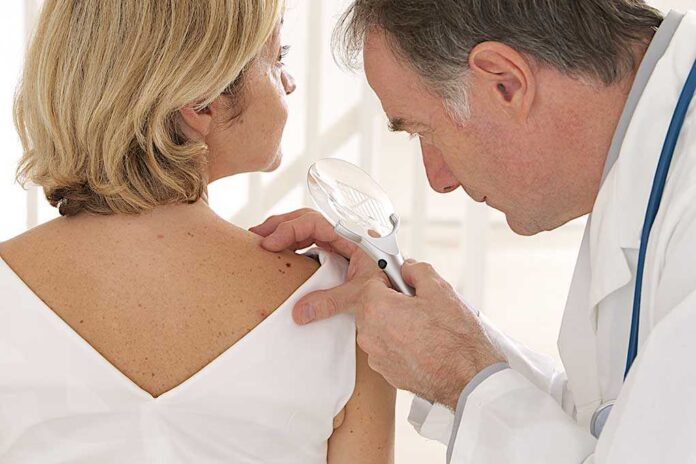
Let’s talk odds. If you catch melanoma early, your chance of surviving five years is over 99%. Wait until it spreads, and that number drops to 35%. If that doesn’t have you reaching for a handheld mirror, nothing will. Dermatologists and cancer organizations shout from the rooftops every May, but the message is evergreen: regular skin checks—both DIY and by a pro—are your best weapon. The American Academy of Dermatology, Skin Cancer Foundation, and American Cancer Society agree: everyone needs to know their own skin. Look for new, changing, or unusual moles, especially ones that are asymmetrical, have irregular borders, or change color. Don’t ignore anything that itches, bleeds, or just doesn’t look right. Men, pay extra attention: you’re not only more likely to get skin cancer, you’re more likely to die from it, largely because you skip the checks.
And don’t just stop at the face and arms—skin cancer can show up anywhere, even on the soles of your feet or under your nails. Annual professional exams are a must for anyone with risk factors like fair skin, a family history, or a past sunburn that made you look like a lobster. For everyone else, self-exams every few months can make all the difference. The tools? Good lighting, a full-length mirror, and a willingness to investigate your own back.
The New Tools: How AI and Teledermatology Are Changing the Game
Technology is giving the humble skin check a serious upgrade. In 2025, clinics are rolling out AI-powered mole scanners and teledermatology platforms that let you get expert opinions without leaving your house. AI can flag suspicious spots and make it easier for people in rural areas or with mobility issues to get checked. This is especially important as the sheer number of cases keeps climbing and dermatologists get busier. But don’t fire your doctor just yet—these tools are best used as a supplement, not a replacement. The gold standard remains the trained human eye, especially for tricky or ambiguous lesions. Still, these advances mean fewer excuses: no matter your zip code, you can get a suspicious spot checked before it becomes a headline in your medical records.
Public health campaigns have gone digital too, with everything from witty hashtags to interactive risk calculators. May’s Skin Cancer Awareness Month now feels more like a movement than a memo, with organizations and survivors sharing stories that hammer home one message: catching skin cancer early saves lives.
Who’s Most at Risk—and Who’s Getting Left Behind?
Skin cancer plays favorites—and not in the way you’d hope. Older adults, men, and those with fair skin or lots of moles are at the top of the risk list. But people of color, despite lower overall risk, face worse outcomes because doctors—and patients—often miss warning signs early. Rural residents, too, fall through the cracks thanks to dermatologist deserts. The solution, experts say, is targeted outreach: more education, better access, and more pressure on policymakers to fund screening and treatment programs. Early detection not only saves lives, it saves money—late-stage treatments are expensive, grueling, and too often, ineffective.
The stakes are high, but the steps are simple: know your skin, check it often, and don’t hesitate to ask for help. With cases and deaths projected to rise again in 2025, the only thing more dangerous than ignoring a new spot is assuming it’ll just go away.
Sources:
Skin Cancer Foundation, 2025-07-15