

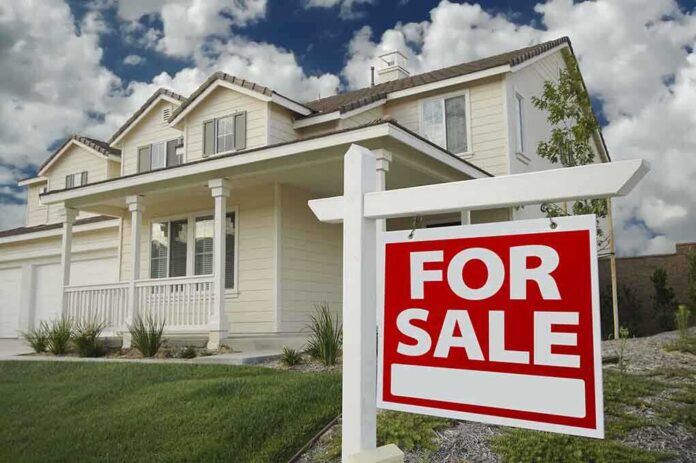
Record-breaking price cuts in half of America’s cities have triggered a housing panic, exposing the fallout from years of reckless overbuilding and misguided economic policies.
Story Snapshot
- Home values are plunging in the South and West, with sellers slashing prices amid oversupply and weak demand.
- Nearly 27.4% of listings face price cuts—the highest on record—raising concerns for homeowners and builders alike.
- Regional gaps widen: while Sun Belt boomtowns tumble, Midwest and Northeast markets show resilience.
- Experts warn of lasting economic and political consequences as local governments and families confront the downturn.
Housing Market Upended: Price Cuts and Regional Panic
In July and August 2025, nearly one out of every four homes listed for sale in the largest U.S. cities saw a price reduction—the highest rate ever recorded. Sellers, especially in once-booming Sun Belt metros like Tampa, Austin, Miami, Orlando, and Dallas, are dropping prices fast to lure buyers put off by high mortgage rates and economic uncertainty. This sharp reversal follows years of aggressive building during the pandemic, when low rates and left-leaning government stimulus fueled runaway demand and unchecked expansion. Now, those regions face a glut of unsold homes while many buyers remain sidelined, worried about affordability and future value.
The Midwest and Northeast paint a starkly different picture. Cities such as Cleveland and Hartford continue to see modest price gains and tight inventories, underscoring how uneven the crisis has become. This regional split is unprecedented: while Sun Belt markets are in freefall, Midwest and Northeast homeowners are largely shielded, benefitting from more conservative growth and steadier demand. For many, this divergence highlights the dangers of overzealous government incentives and the lack of fiscal restraint that led to today’s oversupply, especially in states that championed rapid development without regard for local needs or constitutional principles.
Root Causes: Pandemic Boom, Policy Errors, and Market Imbalances
The seeds of the current housing panic were sown between 2020 and 2022, when the pandemic triggered a homebuying frenzy. Ultra-low interest rates, remote work, and mass migration to states with fewer regulations—often in the South and West—fueled record price growth and construction booms. Builders raced to meet demand, encouraged by lax zoning and government support for expansion. But as the Federal Reserve hiked rates in 2023 and 2024 to combat inflation, affordability collapsed. The result: a flood of new homes hit the market just as buyers retreated, leaving many regions with far more supply than demand.
Insurance and climate risks have compounded the issue, with states like Florida seeing demand plummet due to soaring insurance costs. The disparity in outcomes between regions demonstrates how local policies, economic prudence, and respect for market fundamentals matter. In contrast to Sun Belt excesses, Midwest and Northeast markets—often governed by more careful, incremental approaches—now reap the benefits of avoiding speculative bubbles and reckless spending.
Stakeholders and Economic Fallout: Who Bears the Brunt?
Homeowners and sellers in overbuilt cities are at the epicenter of the crisis, facing negative equity and financial distress as values erode. Builders and developers, once flush with profits, now grapple with unsold inventory and mounting losses. Local governments in affected states confront declining property tax revenues, threatening support for essential services and adding political pressure for bailouts or regulatory changes. Meanwhile, buyers have more negotiating leverage—yet many remain priced out or wary of catching a falling knife. The ripple effects threaten construction jobs, local economies, and even the stability of lending institutions exposed to falling collateral values.
Families who moved to Sun Belt states for opportunity now find themselves confronting harsh realities: shrinking home values, higher insurance premiums, and the prospect of layoffs if builders halt new projects. As financial stress mounts, political leaders—especially those in conservative-leaning states—face demands to protect property rights, limit government overreach, and restore fiscal sanity to housing policy. The divide between regions could fuel further tension, with calls for reforms to prevent similar crises in the future.
Expert Analysis: Not a 2008-Style Crash, but Serious Regional Reckoning
Mainstream real estate analysts from J.P. Morgan and Zillow agree: the downturn, while dramatic in certain metros, does not yet constitute a systemic national collapse. Instead, they forecast a modest national price decline of about 0.9% over the next year, with severe corrections confined to oversupplied markets. Unlike the 2008 crash, today’s turmoil is driven by overbuilding, fiscal missteps, and affordability—not subprime lending or widespread financial fraud. Still, sensational claims of 60% or greater declines in some online circles lack support from reputable data. The consensus: unless broader economic conditions deteriorate, most of the pain will remain concentrated in boom-and-bust regions.
The current housing panic serves as a cautionary tale about the dangers of unchecked government intervention, loose fiscal policy, and the erosion of common-sense market discipline. Conservative values—like limited government, property rights, and prudent economic stewardship—are more relevant than ever as families and communities navigate the fallout. As policymakers weigh interventions, Americans must remain vigilant against proposals that threaten their rights, undermine local control, or repeat the mistakes that led to this crisis.
Sources:
US housing market outlook: J.P. Morgan
Housing Market Forecasts for the Rest of 2025 | Keeping Current Matters